
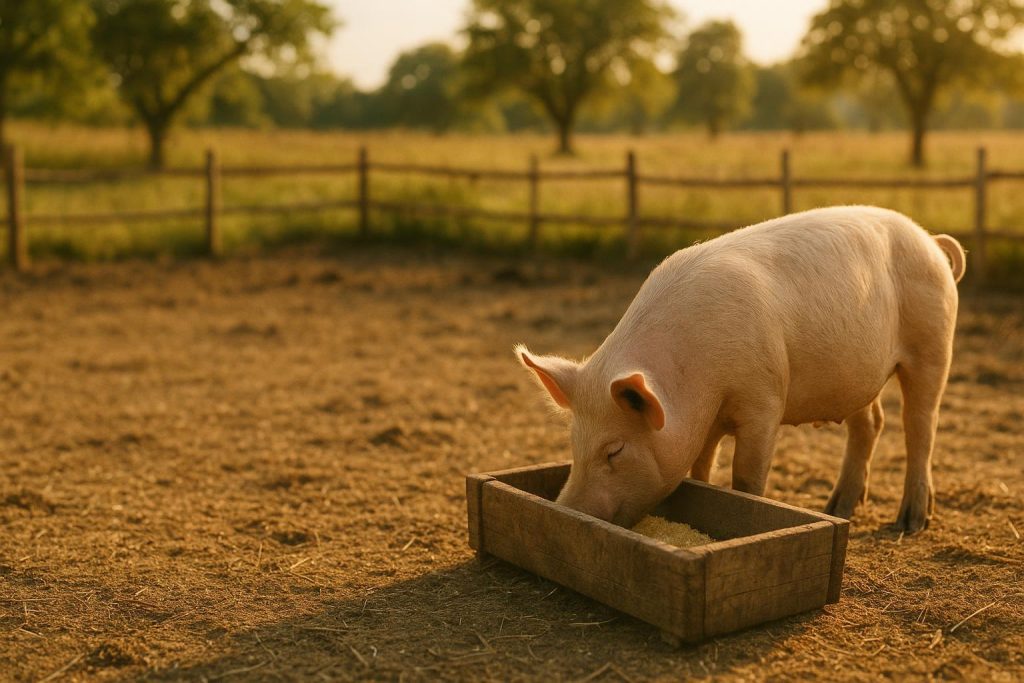
Understanding the Differences Between Monogastric and Ruminant Feed Supplements
The feeding requirements of livestock can vary widely, and one of the biggest distinctions lies in whether an animal’s digestive system is monogastric or ruminant. This difference fundamentally shapes how feed additives and supplements are designed and used. Monogastric animals, such as pigs, poultry, and horses, have a single-chamber stomach that breaks down feed through enzymatic digestion. Ruminants, including cows, sheep, and goats, have a multi-chambered stomach that leverages microbial fermentation in the rumen before further digestion in the lower digestive tract. These contrasting digestive processes directly impact the choice, formulation, and function of nutritional supplements.
Producers, nutritionists, and equine owners often ask why specific monogastric feed supplements vary so much from ruminant-oriented products. The short answer is that the unique physiology of these two animal categories requires different nutrient profiles, processing methods, and considerations for optimum feed conversion ratio, health outcomes, and performance. This article delves into the key differences, provides practical tips for integrating the right supplements, and explains why focusing on digestibility and bioavailability can help your animals thrive.
1. Monogastric Digestion: Why Gut Enzymes Matter
In monogastric animals, the digestive process starts in the stomach, where enzymes such as pepsin begin protein breakdown. The small intestine takes over from there, absorbing most macro and micronutrients. Fat digestion, in particular, relies on bile secretions and pancreatic enzymes that emulsify fats and enable nutrient absorption. For monogastric species, it’s often beneficial to incorporate high-quality fats and proteins in forms that are readily digestible. Supplements for monogastric animals therefore focus on carefully balanced protein sources, essential fatty acids, and sometimes supplemental enzymes to bolster nutrient uptake.
The nature of monogastric digestion also impacts which feed additives are most effective. For these animals, overly complex molecules or compounds designed for slow, rumen-based fermentation won’t be beneficial. Instead, monogastric feed supplements, such as those high in Omega-3 fats and optimized for easy absorption, can offer notable improvements in immune function, coat or plumage quality, and overall growth. In the case of horses, for example, a supplement that’s low in dust and stable in a variety of environmental conditions can also help owners avoid respiratory issues and feed wastage.
2. Ruminant Digestion: The Power of Microbial Fermentation
Ruminants possess a specialized fore-stomach, the rumen, which houses billions of microbes responsible for fermenting fibrous plant materials. This microbial community transforms otherwise hard-to-digest fibers into energy sources. The rumen’s conditions are slightly alkaline and fluid, creating a suitable environment for cellulose breakdown. After fermentation, the partially digested feed (known as cud) is regurgitated for further chewing, then swallowed again to continue the digestion process in the subsequent stomach chambers.
Given this multi-phase digestion, feed supplements for ruminants need to account for microbial inhabitants. Ingredients that pass through the rumen must support or at least not disrupt this essential microbial balance. Ruminant-focused formulas often incorporate rumen-protected nutrients, such as rumen-stable fats or amino acids, to ensure that key nutrients bypass fermentation and reach the lower gut for direct absorption. Protein and fat supplements can also be formulated with the end goal of optimizing milk fat, muscle growth, or fertility. This approach helps the producer boost feed efficiency and ultimately enhances on-farm profitability.
3. Differences in Fat and Protein Requirements
Monogastric animals typically require easily digestible energy sources because their enzymatic digestion can be more limited compared to the microbial fermentation in ruminants. Although monogastrics can handle some levels of fiber, too much undigested fiber can lead to poor feed conversion and potentially digestive upset. Thus, the energy base in monogastric diets often comes from starches, sugars, and high-quality fats that don’t require further fermentation. An all-natural fat source rich in Omega-3s may enhance the cardiovascular and reproductive health of pigs and poultry, as well as keep horses’ coats glossy.
Conversely, ruminants can harness more energy from fibrous feeds because of their rumen microbes. However, they still benefit significantly from specialized supplements, particularly when targeting improvements in fertility or production parameters such as milk yield or meat quality. The challenge is supplying these nutrients in a form that can bypass rumen degradation if necessary, or in a format that supports healthy fermentation. Protein breakdown in the rumen releases ammonia, which microbes use to create microbial protein—a key source of amino acids for the animal. If the aim is to provide bypass proteins, they must be formulated to resist rumen breakdown but remain available in the abomasum and intestines. A feed supplement designed for ruminants might thus focus on protecting delicate nutrients while promoting the proliferation of beneficial rumen microbes.
4. Omega-3 Supplements That Fit Both Categories
Omega-3 fatty acids have become a focal point in animal nutrition, thanks to proven benefits for immune support, fertility, and even product quality in items such as eggs, milk, and meat. Both monogastric and ruminant species benefit from Omega-3, but the route and method of supplementation differ. Monogastrics require sources of Omega-3 that are already readily absorbable, making free-flowing powders or stable oilseed-based supplements a good fit. Horses, for instance, may benefit from an added dose of Omega-3s to support joint health, coat shine, and overall vigor.
For ruminants, however, there’s a potential conflict with rumen microbes that can saturate unsaturated fats. An effective solution is the use of rumen-protected Omega-3 supplements—fat sources that maintain their beneficial unsaturated profiles until reaching the small intestine. This ensures that the Omega-3 fatty acids can be absorbed in their original, unsaturated form. Moreover, balancing the ratio of Omega-3 to Omega-6 fatty acids can produce measurable improvements in milk fat composition, meat quality, and even the nutritional profile of dairy products.
5. Practical Feeding Considerations: Bioavailability and Palatability
When selecting a feed supplement for monogastric or ruminant animals, it’s not just about what the supplement contains but also about how it performs in real-world scenarios. Bioavailability refers to how much of a nutrient can be absorbed and utilized by the animal. For example, if an Omega-3 fat is bound up in an indigestible form, it holds little value to the animal. Similarly, dustiness can lead to feed refusal or respiratory issues. A low-dust, free-flowing format ensures that both monogastric and ruminant animals are more likely to receive (and consume) the intended dose.
Palatability is another critical factor. Animals—particularly horses—may reject feeds that have an off-taste or odor. Even ruminants, which often have a reputation for tolerating a wide variety of feeds, can be selective about certain tastes and textures. Reliable nutritional supplements, therefore, must combine essential nutrients with a formulation that animals readily accept. The difference between a successful feed program and one that falls short can be as simple as an animal’s willingness to eat the supplement consistently.
6. Flexible Integration into Existing Programs
Feeding strategies differ significantly depending on factors like species, life stage, and farm management practices. One common pain point is the concern that adopting a specialized supplement might require an overhaul of the entire feeding system. In reality, many feed supplements—particularly those designed to integrate seamlessly into different rations—can be added to current feed programs with minimal disruption. Producers primarily interested in bridging an Omega-3 gap find that these specialized supplements can be introduced without the need to alter core rations or rework feeding schedules.
For instance, you might blend a free-flowing powder into a hog finishing ration, or top-dress a small measure of an all-natural fat source onto concentrate for horses. Ruminant producers might choose a rumen-protected version of the same ingredient to ensure that the microbial ecosystem remains undisturbed. The key is matching the supplement’s format and nutrient release profile to the digestive system and operational requirements at hand.
7. The Role of Certification and Quality Control
Whether feeding monogastrics or ruminants, quality and safety are paramount. In both categories, poorly handled or adulterated supplements can introduce risks such as mycotoxin contamination, oxidation, or nutrient imbalances. For ruminants especially, mismanaged supplements can upset the delicate microbial balance in the rumen, harming performance and health. Choosing a supplier that adheres to stringent quality standards—like those upheld through HACCP certification—helps ensure the feed additive arrives free from toxins and contaminants.
Another aspect of quality control involves verifying that the product’s nutrient composition matches its label. With Omega-3 supplements, for example, consistent fatty acid profiles are crucial for predictable performance benefits. Frequent testing and transparent labeling indicate a supplier’s commitment to delivering reliable, consistent results across batches. Ultimately, a dependable certification speaks to not just the safety of the supplement but also its potency and repeatability, making it easier for producers to plan feed strategies over time.
8. Matching Products to Your Operation
Considering the broad range of opportunities with both monogastrics and ruminants, many producers look for versatile yet species-specific products that fit seamlessly into different feeding setups. For horses that demand premium care and targeted supplementation, there may be specialized formulas designed for performance, coat condition, and energy. Products such as “LipiGain” formulations can provide beneficial Omega-3 and Omega-6 ratios for species with enzymatic digestion. Meanwhile, ruminant-centric supplements like “R3” are often designed to deliver stable, rumen-protected fats to meet the demands of beef or dairy production.
Whether you’re focused on poultry performance, swine fertility, or dairy cow milk quality, the right supplement can make a measurable difference. Look for user-friendly formats, robust nutrient profiles, and evidence that they mesh well with your existing approach. The ultimate goal is to remove guesswork and help animals convert feed into results effectively, regardless of whether they have one stomach chamber or four.
9. Sustainability and Responsible Sourcing
Sustainability matters across the board. While ruminants can help convert inedible forages into human-edible nutrients, they also rely on balanced diets that reduce waste and minimize methane emissions. Monogastric producers, on the other hand, often grapple with environmental efficiency or consumer demands for cleaner labels and chemical-free approaches. By selecting feed additives derived from responsibly sourced oilseeds and processes that avoid chemical stabilizers, you can advance both your productivity and your sustainability goals. Offering an all-natural solution that is free from mold inhibitors or harsh preservatives aligns with the movement toward more transparent agricultural practices.
Omega-3 supplementation, in particular, can have a cascade of benefits, from improving shelf life of final products to enhancing the overall nutritional value for end consumers. It adds tangible market value for farmers looking to differentiate themselves by producing meat, dairy, or eggs with higher Omega-3 content. For equine owners, an eco-friendly, stable supplement can fit the values of conscientious horse care while enhancing stamina and muscle tone.
10. Bringing It All Together
Monogastric feed supplements differ from those designed for ruminants primarily because of the contrasting digestive processes in these two animal groups. Monogastrics rely heavily on enzymatic digestion, making them more receptive to supplements that are easily absorbed in the small intestine. Ruminants, on the other hand, depend on a thriving population of rumen microbes and often require specialized formulations that protect or optimize nutrients through fermentation. In both cases, palatability, handling characteristics, bioavailability, and consistent quality are crucial. Omega-3 enriched supplements, offered in a stable and palatable form, can bolster health, productivity, and final product quality.
For farmers, veterinarians, and nutritionists, understanding these differences not only helps you select the most effective products but also ensures that your feeding program aligns with your operation’s goals. Balanced diets lead to better feed conversion ratios, healthier animals, and higher-value outputs. Whether you’re targeting stronger fertility in dairy cows, improved growth rates in pigs, better egg quality in poultry, or enhanced endurance in horses, the right feed supplement can play a game-changing role. By focusing on science-based formulations, natural processing methods, and a commitment to quality, you can confidently nourish your livestock in ways that deliver tangible, measurable benefits across Canada, the USA, Europe, and beyond.