
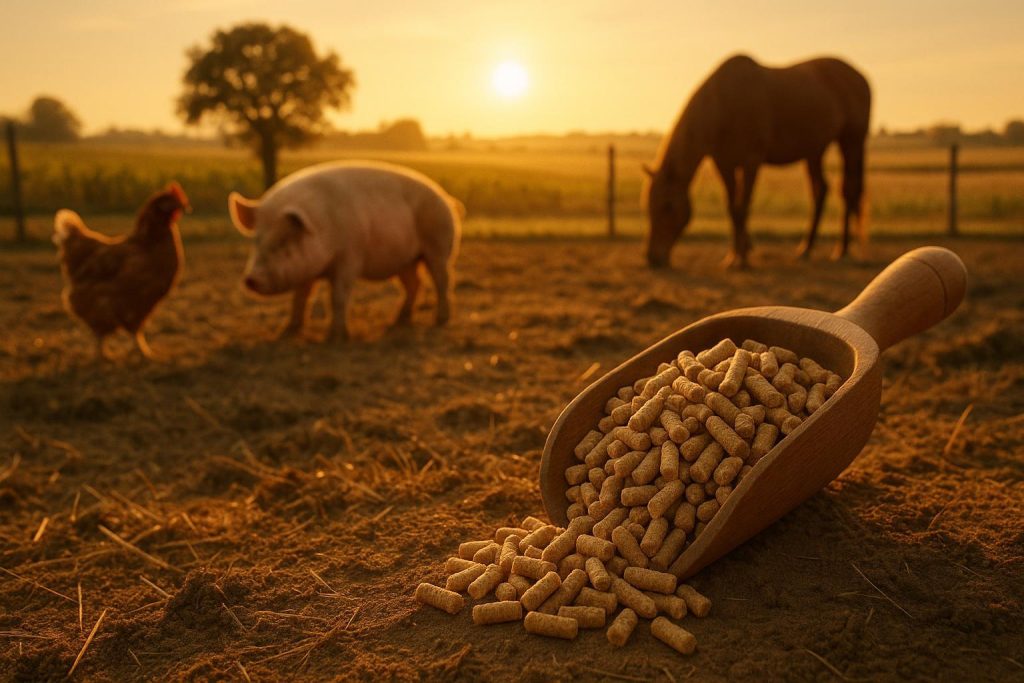
A Comprehensive Guide to Choosing All-Natural Protein Supplements for Monogastric Animals
Monogastric animals—such as swine, poultry, and certain equines—require a balanced diet that supports their growth, performance, and overall health. Protein supplements play a major role in ensuring these animals receive the essential amino acids and nutrients they need to thrive. Yet, not all supplements are equally beneficial. When looking for an all-natural protein supplement for monogastric species, it’s important to consider factors like ingredient quality, bioavailability, digestibility, and the presence of valuable components, such as Omega-3 fatty acids. In this guide, we’ll walk through the core elements that define a high-quality, natural supplement, offering insights on how to enhance animal nutrition without chemical additives or excessive complexity.
1. Understand the Key Nutritional Goals
Every successful feeding plan starts with a clear understanding of your specific nutritional targets. Monogastric animals often have different protein demands than ruminants because their digestive system is structured differently. For instance, pigs and poultry have only one stomach compartment, meaning they rely heavily on the protein quality provided in their feed or supplements to meet their needs.
When selecting an all-natural protein supplement, consider:
- Amino Acid Profile: Protein is more than just a single nutrient—it’s a combination of different amino acids that support muscle development, tissue repair, and various metabolic functions.
- Ease of Digestibility: Monogastric species benefit most from supplements that offer superior digestibility. This means they can break down and absorb the proteins efficiently, improving feed conversion ratio (FCR) and minimizing waste.
- Healthy Fats and Longevity: Look for supplements enriched with Omega-3s or other beneficial fats. High Omega-3 content is known to support immune health, fertility, and overall well-being.
2. Prioritize All-Natural Ingredients
The term “all-natural” signals that the supplement doesn’t rely on chemical stabilizers or synthetic mold inhibitors. This distinction is important for multiple reasons. First, it ensures that your animals receive nutrients the way nature intended, without additives that may disrupt health or performance. Second, removing chemicals from the supply chain often leads to a cleaner, more sustainable production approach.
In the animal nutrition industry, it’s common to encounter various stabilizers that extend shelf life or support certain feed textures. However, many monogastric-focused producers now prefer solutions that use proprietary processes to eliminate the need for these chemicals. Instead, a natural approach can keep the supplement stable, easy to store, and free-flowing without sacrificing palatability or nutritional quality. Always read labels thoroughly, and if you see a long list of artificial additives, consider looking for a cleaner, more straightforward option.
3. Look for Enhanced Digestibility and Bioavailability
Since monogastric animals depend on the feed’s overall digestibility, you need to seek protein supplements that break down easily in a single-stomach digestive tract. Features that enhance digestibility often include:
- Higher Solubility: Supplements that mix well with the rest of the diet or show enhanced water solubility tend to be more digestible.
- Proprietary Oilseed Processing: Some brands use specialized processes to convert raw fats into stable forms, improving the overall availability of nutrients. This eliminates many challenges associated with fat spoilage or clumping.
- Reduced Antinutritional Factors: Look for supplements carefully formulated to minimize elements that inhibit protein uptake, such as trypsin inhibitors or excessive fiber in certain plants.
Monogastric animals, especially in high-intensity production systems, need to efficiently convert feed into muscle, eggs, or other profitable outputs. When a supplement is highly digestible, feed efficiency rises, benefiting both the animals’ health and your bottom line.
4. Embrace the Omega-3 Advantage
While protein quantity and quality are critical, the inclusion of beneficial fats can take a supplement to the next level. Omega-3 fatty acids are particularly beneficial for monogastric animals. They can help strengthen immune function, maintain a healthy coat or feathers, and support fertility. Moreover, these fats often translate into improved quality for end products like eggs or meat, which can command higher market interest.
For instance, if you have layers (egg-producing poultry) receiving an Omega-3-rich supplement, the eggs may carry enhanced nutritional value and extended shelf life. Similarly, hogs fed Omega-3 fatty acids may produce meat with a cleaner, healthier fat profile that aligns with consumer preferences for wholesome animal products. When exploring your supplement choices, verify the presence of Omega-3s—or the brand’s methodology for stabilizing them—so you can deliver a truly natural, enhanced diet.
5. Evaluate Handling, Stability, and Safety
Ensuring that a supplement meets high safety and quality standards is vital, not just for the animals’ well-being, but also to protect your investment. Here are some points to consider:
- HACCP Certification: Look for suppliers with a long-standing HACCP (Hazard Analysis and Critical Control Points) certification. This credential indicates that they follow internationally recognized safety standards and protocols.
- Free-Flowing Texture: Natural supplements that are low in dust and resistant to clumping make feeding less complicated. This also cuts down on waste and ensures consistent intake.
- Lack of Chemical Stabilizers: By avoiding chemical stabilizers, the product stays aligned with the ethos of being all-natural, ensuring a healthier environment for animals and those working with them daily.
When your supplement is easy to handle and proven safe, the transition into your monogastric feeding program is more seamless. Beyond that, traceability and consistency matter: consider a brand that can detail precisely where ingredients come from and demonstrate consistent manufacturing across every batch.
6. Observe Real-World Results
The true test of any feed additive lies in the tangible outcomes observed on the farm or stable. Monogastric animals can demonstrate improvements in multiple ways after receiving a high-quality, all-natural protein supplement:
- Improved Weight Gain: When an animal digests and utilizes protein more efficiently, you might see faster growth in swine or increased daily weight gain in poultry.
- Enhanced Reproductive Performance: Many producers and nutritionists report that superior protein and Omega-3 intake can lead to improved fertility rates and better semen or egg quality.
- Sturdier Immune Function: All-natural supplements commonly deliver a range of micronutrients and healthy fats, helping monogastric animals withstand stress or disease challenges more effectively.
- Vibrant Coats or Feathers: A shining coat in horses or bright feathers in chickens can be a visual confirmation of robust nutrition.
Make sure you track specific performance indicators—such as feed intake, feed conversion ratio, or average daily gains—so that you can see the quantitative influence of your chosen supplement. Results can be a major indicator of whether you’re investing in a reputable, effective product.
7. Seek Proof of Quality and Collaboration
It makes sense to partner with a trusted supplier or brand who has a scientific approach to formulating all-natural protein supplements. If possible, ask for real-world data or references from other producers. Many brands also collaborate with veterinarians, nutritionists, or academic institutions to validate their product’s performance.
Whether you’re raising pigs or focusing on poultry outputs, ensure that any brand you engage with respects the complexities of monogastric nutrition. This often means balancing macro- and micronutrients appropriately, ensuring the proteins are stable, and making them easy on the digestive system.
8. Integration into Existing Feeding Programs
A worthwhile all-natural protein supplement seamlessly fits into your current feeding regimen. Here are some considerations:
- Compatibility: Determine how well the supplement blends with other ingredients. Is it suitable for both complete feeds and top-dressing scenarios?
- Palatability: A pleasant taste and aroma encourage consistent feed intake. High palatability is particularly essential if you’re feeding young animals adjusting to a new diet.
- Concentration: Understand the recommended feeding rate or inclusion levels. Having a concentrated form means you can achieve the same nutritional benefit without drastically increasing feed volume.
A reputable supplier will offer guidelines or resources on how to incorporate their supplements into various feeding systems. For example, stable-ready forms that reduce dust are especially helpful for poultry or swine barns where respiratory health can be a concern. Meanwhile, in equine barns, a free-flowing supplement is easier to measure and mix daily, fostering a smooth routine that benefits both horse and caretaker.
9. Focus on Sustainability and Farm Health
All-natural protein supplements not only benefit the animals but also support sustainable farming practices. By using supplements free from harmful chemicals, you help maintain a healthier environment for farmworkers, the land, and the animals themselves. Additionally, a chemical-free approach can reduce the risk of residues entering the food chain or environment. Responsibly sourced ingredients, combined with a production method that limits waste, reflect a commitment to long-term viability in the agricultural sector.
10. Build on the Omega-3 Edge
Omega-3 supplementation remains a central talking point for monogastric animal nutrition. This includes poultry, where enriched eggs see greater market appeal, and swine, where the meat’s improved nutrient profile can result in positive consumer perceptions. By focusing on proven formulations that deliver a balanced ratio of essential fatty acids, you enhance the final product while supporting your animals’ health and productivity.
For many producers, an advanced Omega-3 supplement is more than a marketing advantage. It’s an economic opportunity—healthier animals yield better production metrics, and superior end products can command a market premium. When these benefits occur through an all-natural formula, you gain an extra layer of consumer trust, especially in markets where clean labels and transparent sourcing are increasingly valued.
11. Example Products and Approaches
While it’s essential to do your own comparisons, many top-tier brands or suppliers incorporate proprietary oilseed processing methods to stabilize fat and proteins. This technique helps convert raw fats into a readily digestible, free-flowing form. Some advanced products focus on:
- Reducing Dust: A low-dust format is safer for respiratory health and ensures that more of the product makes it into the animals’ mouths instead of floating around the barn.
- Enhancing Palatability: Better-tasting supplements can improve feed intake consistency. This is especially important when you’re feeding young piglets or transitioning poultry to a new diet regimen.
- Providing Concentrated Omega-3s: Concentrated forms of Omega-3 provide enough beneficial fats without bulking up the ration unnecessarily.
If you manage horses that fit into the monogastric category for specialized nutrition, you may also look into formulas that support coat condition and muscle tone. For example, LipiGain is an example from the EXL Milling line, formulated to deliver clean, stable fats alongside valuable proteins—although each product’s synergy with your feeding plan should be evaluated carefully.
12. Make the Right Decision for Your Animals
Choosing the best all-natural protein supplement for monogastric animals requires balancing scientific insight with practical on-farm needs. By prioritizing high-quality ingredients, Omega-3 enrichment, digestibility, and proven safety standards, you create a pathway toward consistent performance gains and robust animal health. Reputable suppliers are those who can provide the data, traceability, and expert guidance necessary to help your livestock or equine operation flourish.
An all-natural approach isn’t just a buzzword. It’s a commitment to cleaner, more sustainable, and more efficient feeding that resonates across the entire production chain—ultimately benefiting animals, farmers, and consumers alike. Whether you’re raising a farrow-to-finish swine unit, managing layers for egg production, or caring for performance horses, a natural protein supplement can be a pivotal piece of your nutrition strategy. Look for supplements that are both scientifically validated and straightforward to integrate into your daily operations. When you invest in the right nutritional support, your animals respond with better health and productivity, and you can feel confident in the long-term viability of your feeding program.
In conclusion, your monogastric animals deserve a supplement that respects their biological needs, supports their production goals, and delivers real, measurable health benefits. By focusing on an all-natural approach—free of unnecessary chemical stabilizers, enhanced with Omega-3 fatty acids, and created through innovative, clean processing methods—you’ll find a robust solution that meets both modern marketplace demands and the enduring priorities of animal welfare.