
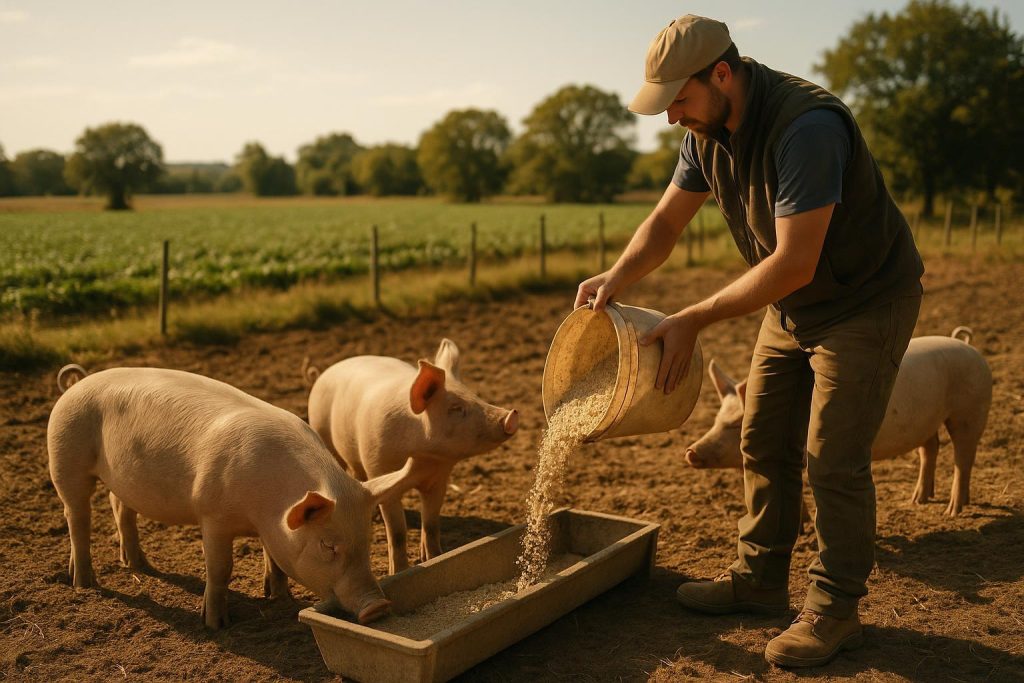
Optimizing Protein Utilization for Monogastric Animals
Monogastric animals, such as pigs, poultry, and horses, depend greatly on quality feed formulations to meet their nutritional needs. Unlike ruminants, which rely on multi-chambered stomachs to ferment and break down feeds, monogastrics have a single-chambered stomach. This means they depend on highly digestible protein sources to make the most of each meal. Whether you’re trying to improve your poultry flock’s egg production, boost swine growth rates, or maintain a sleek and healthy appearance for your horses, ensuring that your animals fully benefit from supplemental protein is a top priority. Here, we’ll break down proven ways to enhance protein utilization in monogastric diets, tackle common challenges, and highlight how Omega-3-enriched supplements can fit seamlessly into your current feeding approach.
Understanding the Importance of Digestibility
When formulating diets for monogastric animals, digestibility is key. A high protein content alone doesn’t always equate to better performance if the proteins aren’t easily broken down and absorbed in the animal’s digestive tract. In simple terms, digestibility describes how well the animal can extract nutrients from feed. Low-digestibility proteins increase waste and can undermine growth, performance, and overall health. By contrast, feeds with higher digestibility improve a monogastric animal’s feed conversion ratio, meaning more of the feed’s nutrients translate into weight gain, fertility benefits, and other productive outcomes.
To improve digestibility, producers often look at factors such as protein source, the extent of processing, and nutrient balance. The goal is to match protein sources to the animal’s gut physiology so that it can utilize the essential amino acids effectively. Poultry, swine, and horses each have their own unique metabolic needs, but one universal truth remains across all monogastric species: accessible nutrients are crucial for supporting growth, reproduction, immune function, and overall well-being.
Balancing Amino Acids for Bioavailability
Beyond simple protein percentages, the profile of essential amino acids significantly impacts how beneficial a protein supplement will be. For instance, poultry may require more methionine to support feather growth, while swine benefit from an adequate lysine supply to foster lean muscle development. Meeting these specific amino acid requirements is an excellent step toward making supplemental protein as efficient as possible.
Bioavailability is another crucial concept: even if certain amino acids are present in a feed, they may not always be in a form the monogastric digestive system can absorb. By focusing on feed additives that prioritize bioavailability, you ensure that your livestock benefit fully from the protein source. This not only supports muscle growth and tissue repair but can also help with fertility, milk production (in sows), and egg output (in layers). The net effect is a healthier operation, supported by targeted nutrition strategies that recognize how critical each building block is to your animals’ biology.
The Role of Omega-3-Fortified Fat in Protein Absorption
It can seem counterintuitive at first, but fat—especially Omega-3-enriched fats—can improve the overall efficiency of a feed program by enhancing protein absorption and utilization. Lipids serve as an energy-dense nutrient source, helping to balance energy-to-protein ratios. In monogastric diets, an appropriate fat profile often leads to:
- Better palatability: Monogastric animals tend to find feeds with the right balance of fat more appealing, which can boost overall feed intake.
- Enhanced nutrient transport: Dietary fats assist in the transportation of fat-soluble nutrients, helping them move effectively through the digestive tract and into the bloodstream.
- Support for metabolic processes: Omega-3 fatty acids, in particular, play a key role in moderating inflammation, promoting immune health, and supporting reproduction.
When these beneficial fats are naturally stabilized and free from harmful additives, the result is a cleaner, more efficient form of energy that can complement high-protein feeds. This approach enriches monogastric diets without the need for large-scale feed overhauls, helping you maintain the equilibrium between protein and energy.
Key Steps to Maximize Supplemental Protein Efficiency
Farmers and equine owners often seek practical ways to get the best return on investment when using supplemental protein. Here are several steps to consider:
- Assess existing rations: Start with a comprehensive understanding of the protein and energy balance in your current feeds. This helps identify any shortfalls or excesses, avoiding both nutrient deficiencies and unnecessary feeding costs.
- Choose quality sources: Opt for supplements processed to maintain essential nutrients and improve digestibility. Look for signs of advanced processing methods that protect the feed’s beneficial oils, proteins, and amino acids.
- Focus on palatability: If the animals don’t readily consume it, no supplement—no matter how nutrient-dense—will provide the intended benefit. Prioritize feed additives that are known for good taste and low dust content.
- Monitor feed intake and growth: Track improvements in weight gain, fertility, feed efficiency, and other measurable performance markers. This data can guide you in refining and optimizing feed ratios.
- Incorporate Omega-3 supplements: Investigate the potential of Omega-3 enriched fat and protein supplements to ensure high bioavailability of nutrients. Properly formulated feed additives, such as ProMeg Express or AviMeg, can give monogastric species a noticeable performance edge without complicating the feeding routine.
Practical Examples of Improved Performance
The benefits of enhancing monogastric diets aren’t theoretical—you can see concrete improvements in the barn. For instance, poultry growers may observe:
- Better egg quality: With balanced amino acids and essential fatty acids, layers often produce eggs with stronger shells and improved internal quality.
- Healthier flocks: Omega-3-supplemented diets can help stabilize immune responses and reduce the stress load on individual birds, leading to fewer veterinary concerns.
Swine producers might notice:
- Enhanced weight gain: More digestible proteins in combination with efficient fat sources can help pigs reach market weight or breeding condition faster.
- Consistent sow performance: Sows require high-quality diets to support both gestation and lactation, making improved feed conversion crucial for strong litters.
And for horses, optimum protein absorption can result in:
- Improved topline and muscle development: Nutrient-rich diets support muscle tone and overall condition without unnecessary bulk.
- Healthier coat and hooves: Omega-3 and balanced amino acids help nourish the coat, mane, tail, and hooves from the inside out, promoting a robust outward appearance.
Avoiding Common Nutrition Pitfalls
Successfully managing protein supplementation also involves avoiding common pitfalls that can hinder performance:
- Over-reliance on quantity: Simply adding more protein to a ration doesn’t guarantee better results. Excess protein can sometimes place additional strain on the animal’s metabolism and unnecessarily increase feed costs.
- Ignoring feed stability: Fats can spoil if not processed correctly, leading to rancidity and reduced palatability. Seek out supplements that utilize natural stabilization methods to maintain freshness and quality without the need for chemical stabilizers.
- Underestimating synergy: While protein, vitamins, and minerals are all essential, synergy between these nutrients is what truly powers animal performance. Neglecting the roles that fatty acids play in nutrient absorption can diminish the overall impact of your feed program.
The Value of Clean, Certified Products
Beyond efficacy, producers increasingly look for products that meet high safety and traceability standards. Long-standing HACCP certification indicates that a supplement producer follows rigorous quality protocols to keep feeds consistent and safe. Natural, chemical-free approaches to boosting protein and fatty acid availability help align with modern consumers’ and farmers’ demands for transparent food production processes. When supplements are produced under controlled conditions—without mold inhibitors or synthetic additives—livestock and equine owners can be more confident in the overall product integrity.
How EXL Milling Can Help
At EXL Milling, our commitment to holistic livestock and equine nutrition has driven us to develop all-natural, Omega-3-rich fat and protein supplements. Using proprietary oilseed processing methods, we create stable, dry, and low-dust products that integrate easily into a wide range of feeding systems. Our goal is not to replace your existing feed but to complement and enrich it, offering a cleaner path to improved animal health, better performance, and more valuable end products.
For instance, if you operate a pig or poultry production and want to ensure strong growth, fertility, and robust immune function, you may consider ProMeg Express or AviMeg. Both are formulated to deliver essential fatty acids and quality proteins in a format that’s easy to handle and proven to be highly digestible—without introducing chemical stabilizers.
Measuring Your Returns
While anecdotal stories and customer testimonies can provide useful insights, nothing replaces actual performance data. Tracking metrics such as feed intake, average daily gain, fertility rates, and milk production helps you see whether your monogastric animals are truly getting the most from their protein supplementation. By integrating stable Omega-3-enriched supplements into your feeding program, you can look for improvements like increased feed efficiency, enhanced immune responses, and fewer health setbacks. Combined, these factors contribute not only to better animal well-being but also to a stronger bottom line.
Simple Steps, Lasting Benefits
When it comes to maximizing the potential of supplemental protein in monogastric diets, actionable steps can go a long way. By honing in on digestibility, amino acid balance, and synergy with beneficial fats, you’ll set your animals up for success year-round. Quality supplements that provide protein alongside Omega-3 fatty acids help you achieve just the right nutritional balance without introducing unnecessary complexity into your feed routines.
Alongside improvements in growth, fertility, and overall performance, farmers also enjoy peace of mind knowing they’re offering a clean, chemical-free option that is kind to both the animals and the environment. With robust HACCP standards in place, you can trust that the products you choose are safe, consistent, and traceable. Over time, these factors translate into healthier livestock, more productive outputs, and greater long-term sustainability for your operation.
If your goal is to maximize farm profits and provide dependable nutrition for your monogastric animals, consider incorporating a scientifically backed, Omega-3-enriched strategy. The focus on digestibility, bioavailability, and stability elevates your entire feed program, ensuring that every ration, supplement, and nutrient offered delivers practical results. In the end, investing in high-quality fat and protein supplements is a direct investment in your animals’ well-being—and, by extension, your farm’s future.