
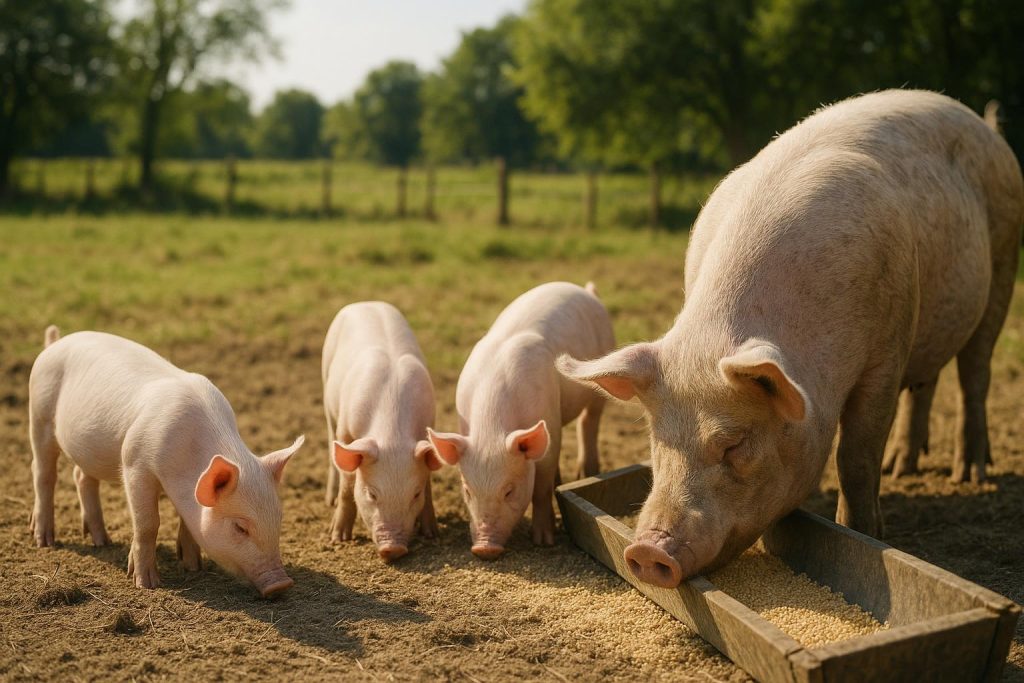
Enhancing Monogastric Growth with Targeted Feed Additives
Monogastric animals, such as pigs and poultry, have a single-chambered stomach. Their digestive systems differ from ruminants in important ways, which makes the choice of feed additives especially critical for maximizing growth and overall health. In monogastrics, every mouthful counts—the efficiency of digestion and nutrient utilization can directly impact growth performance, feed conversion ratio, and profitability. In this article, we’ll explore how feed additives can improve growth for monogastric species and examine the key factors that unlock their potential.
1. Recognizing the Significance of Monogastric Digestion
Unlike ruminants, which have a complex, multi-chambered stomach structure, monogastrics rely on a generally shorter and more acidic digestive passage. Because they don’t have the same capacity for fermenting fibrous materials, the nutrients they consume must be highly digestible and bioavailable. This means both the profile and the processing method of feed additives can make a dramatic difference in how effectively an animal transforms food into growth.
For producers aiming to boost meat, milk, or egg yields, focusing on the digestive limitations of monogastric animals can pay dividends. Feed additives that enhance nutrient uptake, minimize digestive disturbances, and improve the palatability of a ration tend to show real impact on feed efficiency metrics while also supporting overall animal wellbeing.
2. How Feed Additives Boost Growth Performance
Feed additives contribute to growth in monogastric species through multiple avenues. Some assist in breaking down complex nutrients, while others provide essential fats, proteins, or minerals. Below are a few primary ways feed additives help improve growth:
- Improved Digestibility: One of the simplest paths to better growth is enhancing digestibility. By making nutrients easier to break down, animals can extract more nourishment from the same amount of feed, reducing waste and bolstering overall efficiency.
- Better Feed Conversion Ratio (FCR): FCR refers to how much feed is required for an animal to gain a specific amount of body weight. When you include supplements that address nutrient gaps or improve energy density, the FCR naturally improves, leading to higher yields.
- Enhanced Bioavailability: Even when diets contain ample nutrients, those nutrients might not always be accessible at the cellular level. Certain feed additives boost bioavailability, helping key vitamins, minerals, and fatty acids get absorbed and used by the animal more effectively.
- Support for Immune Function: A healthy animal grows more efficiently. By delivering immune-supportive compounds—such as Omega-3s, antioxidants, or specific proteins—feed additives can reduce stressors and disease risks, ensuring consistent growth rates.
- Palatability Upgrades: Monogastric animals are less likely to consume sufficient quantities of feed that is bland or unappealing. Additives that improve taste encourage higher feed intake, supporting sustained energy levels throughout the growth cycle.
3. Why Omega-3 Matters in Monogastric Diets
Fats are a major source of energy in monogastric diets, and the type of fat can significantly influence health and performance outcomes. Omega-3 fatty acids, in particular, have been linked to better immune function, improved reproduction, and more efficient nutrient utilization. Incorporating these essential fatty acids as part of a feed additive strategy can offer advantages such as:
- Stronger Immune Systems: Omega-3s have anti-inflammatory properties that may help animals cope with environmental or dietary stressors, reducing congestion and disease.
- Reproductive Benefits: For sows and layers, adequate Omega-3 intake can influence fertility rates, egg production, and even egg quality. Healthy reproductive performance often translates to more uniform litters or better hatchability in poultry.
- Higher-Value End Products: In certain cases, meat or eggs enriched with Omega-3 can command a premium on the market, aligning with consumer interest in health-focused foods.
While many producers rely on plant-based sources or fish oils for these fatty acids, stabilizing fats can be a challenge—especially in high-temperature feed manufacturing settings. That’s where specialized processing methods come into play, helping to keep Omega-3s readily available without spoilage or rancidity.
4. The Competitive Edge of Processing and Stability
Not all feed additives are created with the same level of precision. In monogastric nutrition, the stability and digestibility of fats and proteins can mean the difference between a supplement that yields results and one that fails to deliver. When an additive is processed to ensure minimal dust, minimal oxidation, and minimal nutrient loss, the final product integrates seamlessly into existing diets. For example, specialized processes that convert raw fats into a free-flowing, low-dust form improve both handling and palatability.
This type of processing approach, especially when applied to Omega-3-rich oilseeds, allows producers to sidestep the need for chemical stabilizers or mold inhibitors. By maintaining a natural, clean profile, these additives align well with consumer preferences for transparent and responsibly produced animal products.
5. Feeding Strategies and Practical Considerations
Whether you manage a swine operation or a poultry farm, seamlessly incorporating feed additives into the ration is often simpler than it may appear. Here are some practical considerations:
- Assess Baseline Nutrition: Before adding anything, understand your baseline nutritional profile. This includes the grain mix, protein sources, and existing micronutrient levels. A nutritionist can help pinpoint any gaps, ensuring your chosen additives effectively complement the feed.
- Choose the Right Additive: Products vary widely in nutrient profile. Rations that require higher energy density might benefit most from a stable fat-based supplement, while others might focus on protein quality or specific vitamins.
- Focus on Palatability: If the feed doesn’t taste appealing, monogastrics won’t eat enough to realize the benefits. Look for additives processed for improved aroma and taste.
- Monitor Consumption and Performance: Keep track of feed intake, growth rates, and overall health markers. If improvements plateau, consult a nutritionist or veterinarian to fine-tune the additive level or the diet’s overall formulation.
6. Real-Worth Metrics: From Feed Conversion to Meat Quality
Sustainable growth performance goes beyond the number on the scale. For farmers, real worth might also be measured in factors like uniformity of weight gain, carcass composition, and even shelf life of the end product. By integrating carefully chosen feed additives, you can see:
- Lower Mortality Rates: Balanced diets that boost immunity help animals better cope with disease challenges, leading to fewer mortalities and lower health-care costs.
- Consistent, Healthy Growth: Maintaining a balanced mix of Omega-3s, proteins, and essential micronutrients helps reduce stunted or erratic growth patterns.
- Improved Meat and Egg Quality: When animals have optimal nutrition, their outputs often reflect that—poultry may develop firmer meat texture, and layers can yield eggs with robust yolk coloration and extended shelf life.
- Higher Returns: Enhanced productivity and premium product quality can result in better profit margins, especially in markets where enriched products command a higher price.
7. Supporting Fertility in Monogastric Species
Another critical facet of growth performance is reproduction. For sows, gilts, and laying hens, fertility and successful breeding cycles have a direct influence on the productivity of an operation. Feed additives that emphasize healthy fats—especially Omega-3—may support more regular heat cycles, improved conception rates, and healthier offspring. By optimizing a sow’s diet, for example, you may see stronger litters and piglets with higher survival rates, directly translating to better overall performance metrics.
8. Examples of Feed Additives in Action
Producers have a broad range of additive solutions tailored for monogastric diets. Some focus on addressing specific nutrient deficiencies, while others supply well-rounded benefits. At EXL Milling, for instance, we develop stable, fat-based supplements that help monogastric animals absorb more of what they eat. Our proprietary processes create free-flowing, dust-reduced forms of Omega-3 fats, promoting easier mixing and consistent palatability. LipiGain is one such option designed to integrate into existing feeding programs without the need for chemical stabilizers. With a highly digestible profile, it supports everything from strong immune function to efficient weight gain.
Other solutions, like ProMeg Express or R3, bring added advantages related to growth promotion, energy density, and nutrient stability. Whether you’re raising broilers for rapid turnover or managing sows in gestation, these types of stabilized fat supplements make the difference between an average and a top-performing operation.
9. Keeping Pace with Quality and Safety Standards
As consumer and regulatory expectations evolve, it’s become increasingly important to ensure the purity and safety of any feed additive. Programs like HACCP (Hazard Analysis and Critical Control Point) are designed to minimize risks at every step of production, from the sourcing of raw ingredients to the final packaging. For producers, selecting feed additives from a supplier with a long-standing HACCP certification signals that the entire process is monitored for consistency, traceability, and compliance.
Moreover, chemical-free formulations resonate with consumers who want to know that the meat, eggs, or milk they purchase come from animals raised responsibly. Relying on stable, emissions-conscious production methods that avoid mold inhibitors or synthetic stabilizers can boost your farm’s reputation and product appeal.
10. Making the Most of Your Monogastric Program
When you consider how small changes in a feeding program can yield big returns, adding the right feed additive is a strategic choice. Success usually hinges on:
- Careful Diet Formulation: Balance energy, protein, vitamins, and fats to meet the unique needs of your herd or flock.
- Quality Inputs: Not all feed additives are equally reliable. Prioritize proven, stable fat-based options from reputable sources.
- Ongoing Evaluation: Monitor animal performance data, including growth rates, fertility markers, and feed consumption, to make adjustments as needed.
- Adaptation Over Time: As your farm grows or as seasonal and market demands change, re-evaluate and optimize your feeding program. The best feed additive solutions can adapt, too.
Final Thoughts
Feed additives are effective tools for raising healthier, more productive monogastric animals. By enhancing digestibility, boosting immune function, and improving feed conversion ratios, these supplements support consistent growth while adding measurable value to the operation. The key lies in selecting high-quality, stable additives that deliver proven benefits—such as those built around Omega-3 fats, improved palatability, and broad-spectrum support for fertility and overall health.
A well-chosen feed additive strategy can result in healthier animals, higher yields, and a product that meets the expectations of today’s market. When every aspect of animal wellness, from skeletal growth to reproductive efficiency, is given the attention it deserves, monogastric producers often see the ripple effects of success in both financial returns and herd or flock vitality. Ultimately, the right supplement can help transform ordinary feed into a higher-performance diet, unlocking the potential for better outcomes in the barn and beyond.