
Maintaining Maximum Potency: Best Practices for Storing Probiotic Feed Additives
Storing probiotic feed additives properly is essential for preserving their beneficial properties. These additives contain live microorganisms that help improve gut health, support immune function, and optimize feed conversion ratio. However, under improper storage conditions, their viability can decline, making them less effective when finally administered to livestock or other animals. In this guide, we will explore step-by-step strategies for preserving the quality and efficacy of probiotic feed additives, covering everything from ideal temperatures to packaging tips. Proper storage not only protects the investment you make in these supplements but also promotes better animal health in the long run.
Understanding the Sensitivity of Probiotics
Probiotics are living microorganisms—most commonly bacteria—intentionally included in animal feed to bolster digestion, enhance nutrient absorption, and stabilize intestinal flora. Because they are alive, these microorganisms are vulnerable to extremes in temperature, humidity, light exposure, and oxygen levels. Any of these variables can disrupt or kill off the beneficial bacteria in your probiotics. Therefore, focusing on ideal storage practices is more than just a recommendation; it is a critical component of optimizing the return on investment when using these types of feed additives.
In many different types of livestock operations, from poultry and swine to aquaculture setups, probiotic supplementation can play a key role in maintaining digestive balance. Understanding why these sensitive bacteria require proper storage sets the stage for the best practices that follow. To learn about benefits specific to certain sectors of the industry, such as fish or shrimp farms, you can explore our related FAQ on Are probiotic feed additives beneficial in aquaculture diets?. This resource delves deeper into probiotic use in aquatic environments.
Temperature Control: Balancing Cool and Stable Conditions
One of the most important factors in preserving probiotic viability is temperature control. Probiotic strains typically thrive in cooler, stable temperatures that mimic normal storage conditions. Industry guidelines often recommend storing probiotic feed additives between 40°F (4°C) and 77°F (25°C). Temperatures on the higher end of this range can accelerate the microorganisms’ metabolic processes, which potentially reduces their shelf life. Extremely cold environments, on the other hand, pose the risk of freezing cells and damaging the delicate bacterial structure.
Frequent temperature fluctuations are also detrimental. If a storage room or transport truck experiences large swings in temperature, the incessant stress on these microorganisms can lead to a significant loss in viability. Such fluctuations can happen in climate zones with broad seasonal changes or if products are repeatedly moved in and out of controlled storage rooms. No matter what, aim for a consistent environment that doesn’t exceed recommended ranges. Even if your facility is located in a stable climate, it is always wise to keep an eye on daily temperature logs.
Managing Moisture Levels: Why Humidity Matters
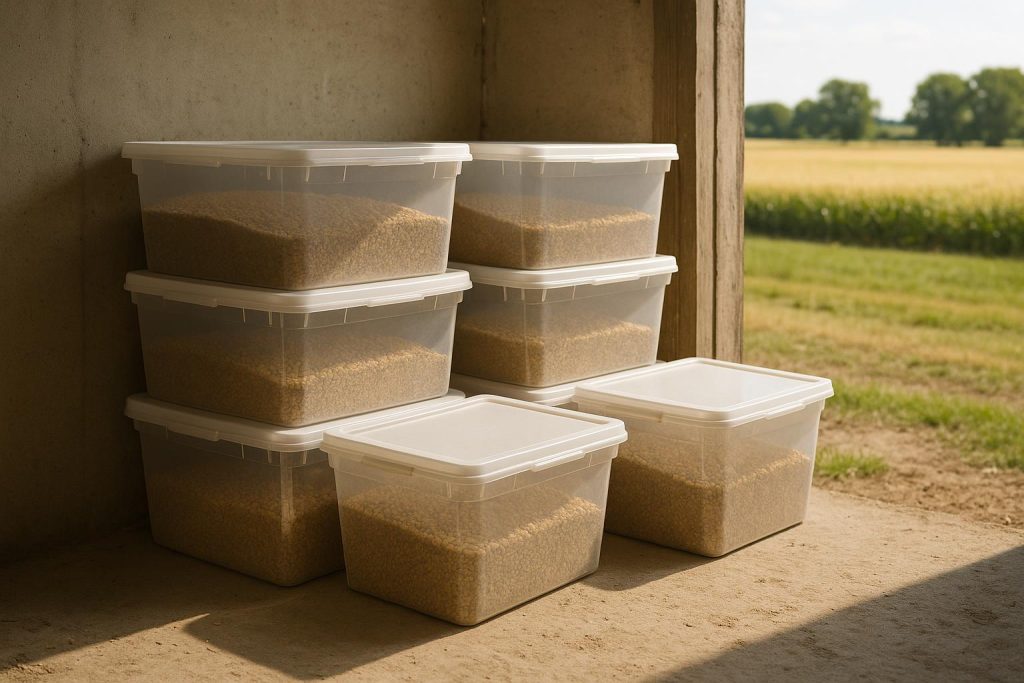
Humidity can be just as detrimental to probiotic feed additives as heat. Moisture encourages the growth of mold, yeast, and unwanted bacteria, and it may also prompt early activation of some probiotic strains before they ever reach the animal’s digestive tract. To mitigate accidental exposure to moisture, always store probiotics in a dry room or airtight container. Sealed packaging not only keeps humidity out but also helps maintain the feed additive’s form and integrity. Additionally, watch for signs of condensation, which can occur if products move between areas of differing temperatures without careful transition.
For most operations, a relative humidity of around 50% or lower is ideal for preventing moisture-related damage. If you notice that feed bags or containers are clammy to the touch, or if you see visible condensation, the environment is likely too humid. Whether you are a poultry farmer or a horse owner, implementing effective humidity control can go a long way in maintaining the functionality of your probiotic additives. If you are curious about feeding programs for horses with digestive issues, consider reading our FAQ on What probiotic feed additives are recommended for horses with gut health issues?.
Packaging and Oxygen Exposure
While many probiotic strains require some level of oxygen for survival, excessive exposure to air can degrade potency over time. Proper packaging provides a protective barrier against both oxygen and contaminants. Manufacturers typically supply probiotics in vacuum-sealed or foil-lined pouches to keep oxygen at bay. If you transfer the product to smaller containers for daily distribution, be sure those containers are airtight and suitable for food or feed storage. This practice helps keep microbial counts stable while also making daily measurements more convenient.
Once a package is opened, it is more susceptible to environmental effects. Reseal opened packages promptly and securely to extend the product’s longevity. Pay close attention to expiration and production dates. Probiotic feed additives that have passed their expiration date might appear usable but can have diminished viability. Proper labeling—listing the date you first opened the package—can help you track usage and reduce the risk of inadvertently mixing old product with fresh stock.
Shielding Products from Direct Sunlight
Ultraviolet (UV) light from direct sunlight can damage certain strains of probiotics. Light-protective packaging is therefore crucial, but so is choosing an appropriate storage location. If your facility has windows that allow strong sun rays in, install blinds, curtains, or consider storing your probiotics in a shaded portion of the room. It is also worth remembering that fluorescent lighting, while not as intense as direct sunlight, can generate higher temperatures in localized areas. Keeping your probiotic supplements away from bright lamps or heat sources helps preserve the stable environment they need.
Managing Stock Rotation
One of the simplest ways to maintain probiotic potency is by employing a “first in, first out” rotation policy. This means using the oldest product first, assuming it has not exceeded its use-by date. Effective stock rotation is especially pertinent for large-scale operations that buy probiotic additives in bulk. When you receive a new shipment, place it behind the existing stock, ensuring that you systematically use what you bought first. This approach minimizes the risk of forgetting older products at the back of your storage area until they expire.
Additionally, frequent checks of inventory levels let you know if you are storing more probiotics than you can feasibly use before they lose their potency. Having a streamlined rotation strategy not only saves money but also ensures that animals always receive the highest-quality supplement possible.
Ensuring Compatibility with Other Feed Additives
Many farmers and livestock owners use multiple feed additives to address a variety of nutritional concerns—from vitamins and minerals to fat and protein-based supplements. Often, probiotic feed additives pair well with all-natural fat sources, such as LipiGain or R3, which can provide complementary nutritional benefits. Storing these products side by side is acceptable, as long as both sets of storage guidelines are met. This synergy offers a broader spectrum of health advantages by combining improved digestibility with enhanced nutrient bioavailability.
In addition, you can often extend the benefit of probiotics by combining them with the right mixture of feed formulation components. If you’re looking for more insight on which feed additives pair best with probiotic supplements, be sure to read our FAQ: Which feed additives combine well with probiotic formulations for overall animal health?.
Following Product-Specific Guidelines
While the overarching concepts of temperature, humidity, and protective packaging apply to most probiotic feed additives, each product may come with unique manufacturer instructions. Some probiotic strains are more resilient than others, allowing for slightly different storage conditions. That is why it is essential to review and adhere to each product’s guidelines for temperature range, recommended humidity levels, and expiration date. By following these specifications, farm managers and horse owners alike ensure they are getting the full potency of the microbial populations.
Even the best general guidelines cannot replace the specific details your probiotic supplier provides. Pay close attention to any disclaimers regarding refrigeration requirements or other special precautions. For example, certain strains intended for aquatic species might have different heat tolerances than those designed for ruminants. This customization ensures that the unique digestive demands of each class of animal are adequately met. If you need more detailed information on how probiotics support pastoral environments, check out our FAQ on Are probiotic feed additives safe for pastured livestock seeking natural solutions?. It explores probiotic considerations for animals raised on pasture-based systems.
Visual Inspection and Quality Checks
Storage is not merely about placing packages in the right area; it also involves actively monitoring their condition. At least once per month, conduct a visual inspection of your probiotic feed additives. Check for damaged packaging, signs of moisture intrusion, or any obvious discoloration that might indicate mold or spoilage. A brief sniff test may also help detect unusual odors. Even though some probiotic products carry a mild yeast-like scent, anything overly sour, rancid, or otherwise unexpected could signal contamination.
In commercial or research settings, you may even test microbial counts periodically to confirm that your inventory is still viable. While that may not be feasible for smaller farms, a simple visual examination often suffices to catch potential issues before they become widespread. If you find a compromised bag, discard it or consult the product manufacturer for guidance on salvage procedures. It’s better to act conservatively when dealing with live microbes to ensure no compromised product affects animal health.
Storing Probiotics for Different Species
Livestock species vary significantly in gut physiology, dietary requirements, and susceptibility to stress. Horses, for instance, have a different digestive system than cattle, so the bacterial strains in their probiotics may also differ. Similarly, poultry-based supplements target unique digestive processes. Although storage guidelines remain largely consistent—stable temperature, low humidity, shaded environment—the specifics can sometimes vary by species and the type of probiotic used. If you are managing multiple livestock types, consider labeling boxes or containers to easily identify which probiotic feed additive belongs to which animal group.
When you do store products intended for different animals in the same facility, keep them organized to reduce the risk of mixing up feed supplements meant for distinct species. Organization and clear labeling help avoid dosing animals with the wrong strain and ensure that each product retains its identity and potency.
Building Good Habits and Long-Term Success
Sustaining the potency of probiotic feed additives is not a one-time task; it’s an ongoing commitment. Building good storage habits reduces waste, keeps animals healthy, and saves money over time. Simple best practices, such as posting temperature and humidity guidelines in the storage area, can serve as reminders to everyone working on-site. Daily or weekly checks of storage conditions—and periodic training for staff—help establish a routine that upholds product quality naturally.
Beyond this, adopting a systematic approach for ordering, inventory management, and rotation fosters a stable supply chain. As you refine your processes, you’ll likely discover that adhering to recommended protocols is not just about preventing losses; it’s also about discovering the full potential of each product. In fact, well-stored probiotics often live up to or exceed performance expectations, especially when combined strategically with other nutritional tools such as Omega-3-enriched fat and protein supplements.
Combining Probiotics with Other Feeding Strategies
In addition to carefully storing probiotics, many farmers and ranchers also reinforce digestive health by combining these microorganisms with specific dietary elements. For instance, certain operations supplement ruminants with high-quality fats and proteins to boost bioavailability. The synergy of scientifically balanced nutrients ensures that each element in the diet—whether it be probiotics, Omega-3 sources, or other essential vitamins—works together to deliver better overall performance.
To learn more about how probiotics can minimize digestive stress in ruminants, consider checking our FAQ on How can probiotic feed additives help minimize digestive stress in ruminants?. There, we discuss how consistent supplementation aligns with improved feed efficiency and a balanced gut environment. On the other hand, if you’re focusing on monogastric animals, you may find it useful to read about which probiotic strains are most effective for monogastric animals. Each species and production system can benefit from different probiotic approaches, as long as those beneficial bacteria are delivered in their most potent form.
Conclusion: Protecting Your Probiotic Investment
Proper storage of probiotic feed additives directly impacts the health of your animals, whether you run a poultry farm, manage a dairy operation, raise fish in an aquaculture system, or own horses. The core principles—keeping products cool, dry, and shielded from excessive light—pave the way for success across multiple species. From the moment these supplements arrive at your farm to the time they are introduced into the feed, consistent storage conditions ensure you get the most out of your purchase.
Adequate temperature control, humidity management, proper packaging, and diligent rotation collectively safeguard the living microbes that deliver essential digestive benefits. As you put these recommendations into practice, you’ll not only save money by reducing waste but also encourage strong feed intake, healthier coats, and improved breeding outcomes in your animals. For more tips on replacing synthetic compounds in poultry, read Is it possible to replace synthetic growth promoters with probiotic feed additives in poultry?. Maintaining the vitality of probiotics is a proactive step toward better results for your operation as a whole.