
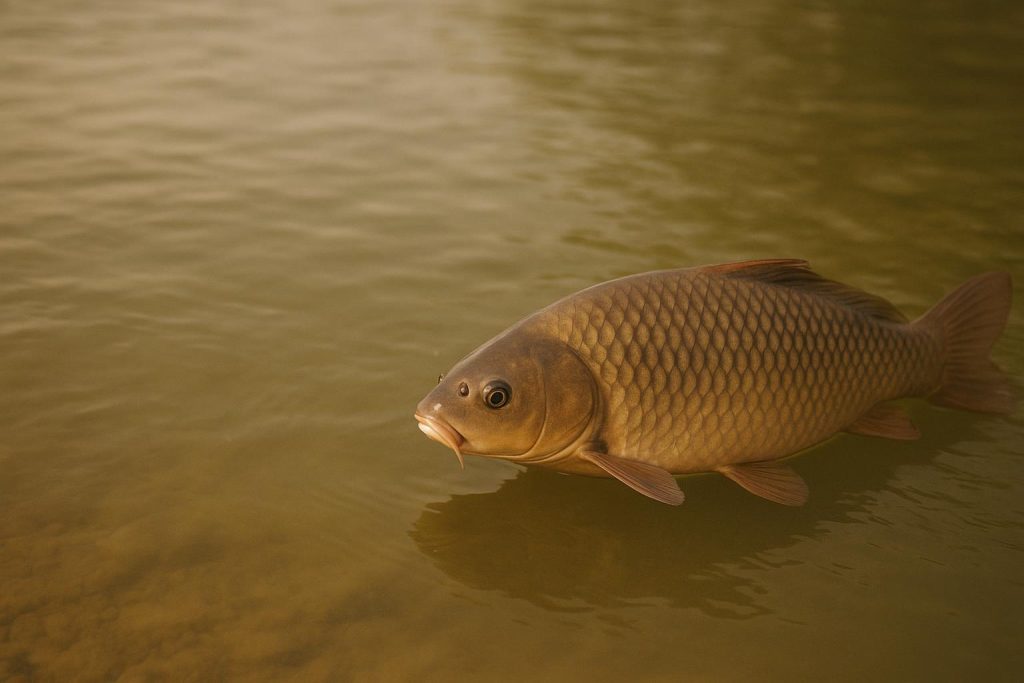
Exploring the Benefits of Probiotic Feed Additives in Modern Aquaculture
Probiotic feed additives have gained serious momentum in the aquaculture industry, and for good reason. From helping to limit disease outbreaks to boosting feed conversion efficiency, these beneficial microbes are transforming the way fish and shrimp are raised. This shift toward probiotic supplementation is particularly evident alongside the global push for more sustainable, antibiotic-free animal rearing methods. By harnessing the natural power of probiotics, fish farmers can encourage healthier gut flora in their aquatic stock and improve numerous aspects of the production cycle, including water quality, mortality rates, and overall profitability.
Why Probiotic Feed Additives Matter in Aquaculture
In many aquaculture systems, especially high-density operations, fish or shrimp are raised in confines that can easily become breeding grounds for harmful bacteria, fungi, or other pathogens. Traditional approaches often involved using antibiotics to keep these pathogens in check. However, repetitive use of antibiotics raises concerns about antibiotic resistance, environmental impact, and consumer acceptance of final products. Probiotics offer a natural and more sustainable alternative.
Probiotics promote beneficial gut microbes. These live microorganisms enhance the gut environment of fish or shrimp, improving nutrient absorption and strengthening the immune response. A well-balanced gut contributes to higher feed conversion ratios (FCR), meaning farmers can see better growth with less feed. Over time, this also results in reduced feed waste, improved water quality, and a healthier environment all around.
Reducing dependence on antibiotics. When the internal bacterial balance is kept in check by probiotics, fish and shrimp are better able to protect themselves against common illnesses. Producers who adopt these solutions often see fewer severe disease events, translating to fewer antibiotic interventions. This shift aligns with global efforts to limit antibiotic resistance and echoes consumer demand for safer, more ecologically sound aquaculture methods.
Key Mechanisms of Probiotics in Aquatic Species
Probiotics perform some of the same fundamental tasks in fish or shrimp as they do in land-based livestock:
- Improved Digestibility: Enzymes produced by probiotic microbes help break down nutrients, making them easier to absorb. More digestible diets mean fish can convert their feed into growth more effectively.
- Enhanced Immune Response: Beneficial bacteria stimulate immune cells in the gut lining, bolstering an animal’s natural defenses against pathogens. This lowers the incidence of common aquaculture diseases.
- Competition with Harmful Microbes: By colonizing the gut and consuming available nutrients, probiotic strains help keep harmful bacteria at bay. This phenomenon is sometimes referred to as competitive exclusion.
- Production of Antimicrobial Compounds: Certain probiotic strains produce natural antimicrobial substances that discourage the growth of harmful pathogens.
- Stabilization of Gut pH: Changes in pH levels can favor undesired microbes. Probiotics help maintain an acidic environment in the digestive tract that allows beneficial microbes to thrive.
Taken together, these functions help sustain a healthy population of “good” gut bacteria. And in aquaculture, a healthier gut typically translates into a more productive and safer environment.
Supporting Feed Conversion Efficiency and Growth
One of the biggest challenges in aquaculture is achieving optimal feed conversion efficiency (FCE). Feed costs can account for a major portion of production expenses, so any step that improves feed utilization has a direct impact on profitability. Probiotics encourage efficient digestion by breaking down nutrients in feed, especially proteins and carbohydrates. In fish species such as tilapia, catfish, and trout, or crustaceans like shrimp, a well-functioning digestive system can mean faster growth and reduced feed waste. When animals absorb nutrients more thoroughly, less waste is excreted into the system, positively impacting water quality.
Farmers who notice lower feed consumption for the same weight gains also experience other benefits, from reduced overhead costs to fewer byproducts contaminating the water. Clean water translates into fewer disease challenges, which feeds back into improved growth rates and overall production success. In short, probiotics are a natural tool for maximizing the results of each feeding, whether you are cultivating fish in tanks, cages, or ponds.
Enhancing Water Quality and Environmental Sustainability
Aquaculture operations, especially more intensive ones, can often run into issues with ammonia buildup, oxygen depletion, and excessive nutrient loads. These factors combine to create stressful environments where diseases proliferate and growth stalls. Once environmental stress arises, it can be difficult to get back to normal levels without major interventions.
By assisting in the breakdown of excess organic material, probiotics help keep the aquaculture environment stable. They can limit the accumulation of harmful substances like ammonia, nitrite, and hydrogen sulfide, all of which are detrimental to fish health. In addition, a balanced microbial community in the water column reduces the likelihood of pathogen outbreaks, allowing your aquaculture system to function more efficiently. This improved stability, in turn, leads to reliable yields that please both producers and regulators, especially as environmental accountability becomes more strict worldwide.
Combining Probiotics with Balanced Nutrition
While probiotics alone offer numerous advantages, the best results occur when these supplements are paired with balanced diets rich in essential fats, proteins, and vitamins. Aquatic species such as fish and shrimp require high-quality nutritional components to optimize muscle growth, energy levels, and immune function. Including an Omega-3-rich supplement, for instance, can help enhance the overall nutritional profile of your feed.
For fish or shrimp, Omega-3 fatty acids are significant for cellular health, stress tolerance, and robust immune function. By combining probiotics with Omega-3-containing feed supplements, producers can create a more comprehensive approach to aquaculture health. Probiotics support gut homeostasis and nutrient absorption, while Omega-3s contribute to improved bioavailability of vital nutrients and better animal resilience. This synergy can be especially beneficial in large-scale fish or shrimp farms where marginal gains across many animals add up to substantial overall improvements.
A product such as LipiGain Aqua may offer an Omega-3 boost that works alongside your probiotics. While probiotics nurture beneficial microbes in the digestive tract, vitamins and essential fats support key physiological processes. Together, these elements help fish or shrimp thrive. This approach recognizes that animals need both healthy gut flora and the right macronutrient and micronutrient balance to reach their maximum potential.
Decreasing Disease Outbreak Risks
Disease management remains one of the most pressing concerns for anyone running an aquaculture operation. Bacterial and fungal infections can rapidly decimate fish or shrimp stocks, leading to significant financial loss. Some of the worst outbreaks stem from opportunistic pathogens that exploit environmental stressors or compromised immune systems.
By adding probiotics to feed, you can fortify the gut environment of the animals. Stronger natural defenses typically mean fewer disease outbreaks. While probiotics will not (and should not) completely replace all veterinary medications, they can minimize the need for antibiotics and improve an animal’s capacity to fight off common pathogens. Many producers who have implemented probiotic programs report fewer mortalities, quicker recovery times when disease does occur, and more predictable production cycles over the long term.
Economic Advantages of Probiotic Integration
In an industry where operational margins can often be slim, the economic value of probiotics can be significant. Some of the ways probiotics contribute to cost savings and profit include:
- Lower Feed Volume: Improved feed conversion means you can use less feed for the same weight gain, cutting feed expenditures.
- Reduced Antibiotic Costs: With a healthier gut environment, disease risk decreases, leading to fewer treatments.
- Higher Survival Rates: Fewer disease outbreaks mean farmers keep more of their stock alive until harvest.
- Better Product Quality: Well-nourished fish with balanced gut flora often exhibit better fillet quality or a more uniform shrimp size, increasing the product’s market appeal.
- Environmental Compliance: Healthier aquatic systems result in fewer regulation concerns or penalties tied to water pollution levels.
Importance of Integrating Probiotics and Other Feed Additives
While probiotics can stand on their own as a valuable feed additive, they generally work best within a holistic nutritional plan. Pairing them with other feed enhancers—whether that’s Omega-3 supplements, vitamins, or specialized protein sources—allows each component to reinforce the other. For an in-depth look at how probiotics can pair with various supplements across different animal industries, you might explore Which feed additives combine well with probiotic formulations for overall animal health?. This perspective can offer insights relevant even within aquaculture contexts, especially if you’re considering expanding into new feed technologies.
If you’re curious about the specific relationship between Omega-3 supplements and probiotics in bigger-picture animal diets, see How do probiotics interact with Omega-3 supplements in animal diets?. Even though not all details will apply equally to fish or shrimp, understanding the synergy across species can broaden your nutrition strategy, helping you apply the concepts to your aquatic enterprise.
Practical Tips for Adding Probiotics into Aquaculture Diets
Integrating probiotic feed additives doesn’t have to be complicated. Here are several strategies to help ensure you get the most from your probiotic-based program:
- Choose Reputable Suppliers: Make sure you source probiotics from companies with proven track records. Read product labels to confirm that the microbes have meaningful colony-forming units (CFUs) and are stable in the type of aquaculture environment you operate (warm water, cold water, saltwater, or freshwater).
- Adhere to Recommended Dosages: Consistency is crucial. Underusing can limit their effectiveness, while excessive use might be wasteful.
- Avoid Harsh Processing: High temperatures during feed processing can destroy many beneficial microorganisms. Look into feed manufacturing methods that account for probiotic viability.
- Monitor Water Quality: Regularly test parameters such as ammonia, nitrate, dissolved oxygen, and pH. Probiotics should help stabilize these levels, but it’s good practice to track changes over time.
- Consult Nutritionists or Veterinarians: Tailor your protocol to your species, system type, and growth stage. Experts can help you determine the right combination of probiotics and complementary feed additives.
Balancing Probiotic Integration with a Complete Aquaculture Diet
Even the best probiotics won’t compensate for a fundamentally unbalanced base diet. Remember that fish and shrimp require sufficient protein sources for muscle development, as well as fats and micronutrients to support energy needs and immune robustness. Probiotics amplify the benefits of each feed component, ensuring your animals make the most of the available nutrition. Used responsibly, probiotics can become a key tool in producing stronger stock with improved uniformity and performance.
Meanwhile, look for ways to incorporate stable, Omega-3-enriched supplements that fit smoothly into your current ration design. Products that transform raw fats into a digestible form, such as processed oilseed-based supplements, help limit dust and reduce storage issues in your feed area. When you pair this kind of supplementation with the immune and digestive advantages of probiotics, you end up with a well-rounded nutritional strategy suitable for a variety of aquaculture environments.
Ensuring Long-Term Sustainability
The aquaculture industry’s future depends on responsible farming practices that respect both the environment and consumer concerns. Probiotics offer a lower-impact approach to fish and shrimp health as they help diminish antibiotic overuse, streamline feed utilization, and reduce the risk of large-scale mortalities. As a result, they fit perfectly into the broader move toward eco-friendly aquaculture that remains both financially viable and socially acceptable.
When combined with effective feed supplements and proper biosecurity measures, probiotic feed additives can make a notable contribution to healthier farms, balanced diets, and higher yields. While challenges such as climate variation, water resource constraints, and disease complexities continue to shape the aquaculture landscape, producers are increasingly recognizing that probiotics are an excellent resource in the drive for sustainable growth.
Final Thoughts on Probiotic Feed Additives
Probiotic feed additives have proven themselves in aquaculture by enhancing digestive health, lowering mortality, and bolstering overall resilience in fish and shrimp populations. Their ability to reduce reliance on antibiotics—while simultaneously improving feed conversion and water quality—means they are well-suited to modern day consumer expectations and industry requirements. Nonetheless, it’s important to remember that ongoing success with probiotics is heavily reliant on maintaining balanced feed formulations that include essential fatty acids, proteins, and micronutrients.
In a dynamic environment like aquaculture, strong partners and consistent data-based decision-making can make all the difference. Talk with an experienced nutritionist or supplier to design a protocol that brings these microbial allies into your feed regimen. Whether you’re a small-scale fish farmer or manage a large commercial shrimp operation, probiotics are a valuable tool for paving the way toward healthier, more sustainable, and more profitable production cycles.