
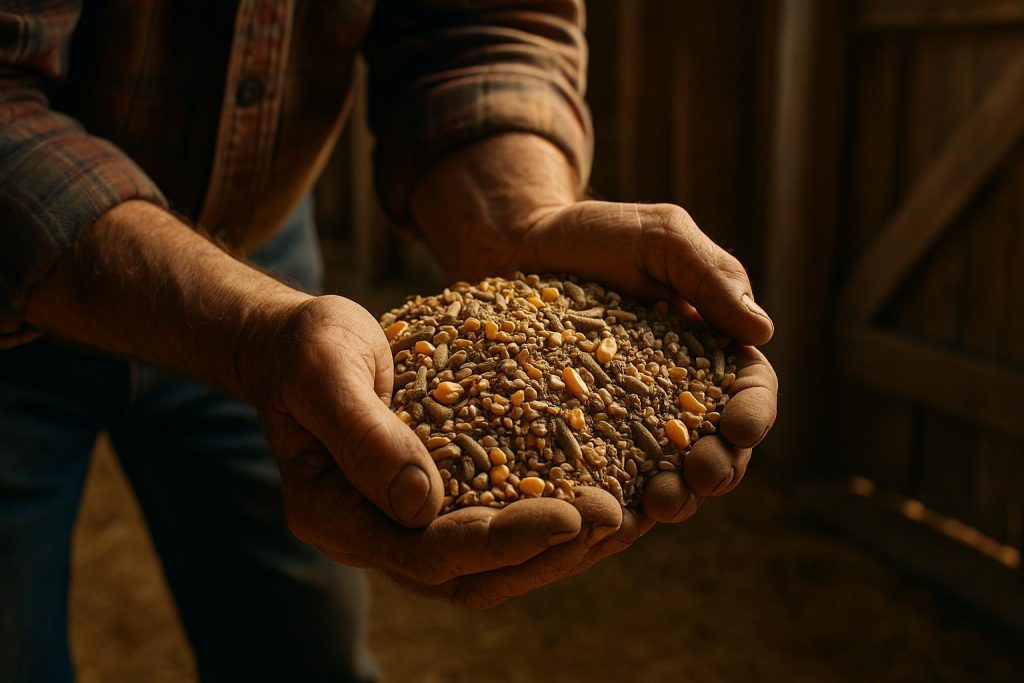
Identifying Quality in an All-Natural Supplement: What Producers and Owners Should Know
Choosing an all-natural supplement for your animals can seem straightforward—until you realize how many options exist. Each supplement claims to be the best at supporting health, fertility, or overall performance. But what aspects truly differentiate a high-quality, all-natural product from one that might fall short? In the world of animal nutrition, quality rests on a few important pillars: sourcing, processing, nutritional profile, safety certifications, and real-world results. Below, we explore these elements in detail so you can make informed decisions that benefit both your animals and your bottom line.
1. Understanding Transparency in Sourcing
High-quality supplements start with ethically sourced, clean, and traceable ingredients. When evaluating an all-natural supplement, ask questions like:
- Where do the raw materials come from? Reputable suppliers often highlight their ingredient origins. They share details about farmland practices or raw material quality, so you know what you’re feeding your animals.
- Is there third-party verification? While not every farm source will have a certification, a quality-centric brand should have some form of traceability. This helps ensure consistency and reduces the risk of surprises in the supply chain.
Transparency in sourcing signals that a company values both safety and quality, setting the tone for the entire supplement’s formulation. In the case of fat and protein-based products, raw ingredients such as oilseeds must be carefully chosen to preserve beneficial nutrients, including Omega-3 fatty acids.
2. Why Processing Methods Matter
Even the finest ingredients can lose their benefits during harsh processing. Overheating or heavy chemical treatment can degrade valuable nutrients. If you’re seeking an all-natural solution, focus on how the manufacturer stabilizes or treats the ingredients. Some notable factors include:
- Minimal Use of Chemicals: Many producers enhance stability with synthetic additives like mold inhibitors or heavy preservatives. A supplement that avoids chemical stabilizers and relies on specialized physical processes can be an excellent choice.
- Low-Dust, Free-Flowing Form: Handling convenience is vital. When oilseed-based supplements undergo proprietary transformations, they can become easier to measure, blend, and feed, aiding consistency in rations.
Ultimately, a clean and careful method of processing keeps the final supplement closer to its natural state. And in doing so, it promotes better digestibility and higher bioavailability—terms that influence how well an animal can truly use the nutrients.
3. Checking the Nutritional Profile
Nutritional value is crucial when you’re looking at feed additives or fat- and protein-based supplements. If a product is labeled “all-natural,” you still want to confirm it has the beneficial components you expect—particularly Omega-3 fatty acids, vitamins, or proteins that directly support health and productivity. Some key nutritional factors to consider include:
- Omega-3 Content: Known for benefits such as improved coat condition, potential immune support, and better fertility, Omega-3s are often what set certain supplements apart. High-quality brands will typically specify the Omega-3 concentration and how it supports performance.
- Balanced Fat and Protein Levels: A supplement should contain optimized amounts of fat and protein to complement, not replace, your base feed. Look for specifics on how these nutrients impact your animals, whether it’s promoting growth, enhancing muscle tone, or supporting reproductive health.
- Essential Vitamins and Minerals: Some products also include micronutrients to help fill nutritional gaps that standard rations might miss. However, be sure that any added components align with your nutritional goals and do not conflict with your existing feeding program.
In many cases, producers focusing on Omega-3 supplementation see noticeable improvements in feed efficiency and performance, especially when the supplement is designed to blend seamlessly with existing rations. Whether you’re a general livestock farmer or someone with performance horses, a comprehensive supplement can be an integral piece of your overall strategy.
4. The Importance of Digestibility, Feed Conversion Ratio, and Bioavailability
Quality in animal nutrition is far more than just what’s on the label. Key terms like digestibility, feed conversion ratio, and bioavailability should be part of any serious conversation about performance and cost-effectiveness:
- Digestibility: If an animal can’t break down the supplement effectively, the nutrients pass through unused. High digestibility ensures that proteins, fats, and other nutrients are accessible to the animal’s system.
- Feed Conversion Ratio (FCR): FCR measures how efficiently animals convert feed into biomass (for instance, growth in livestock). A high-quality supplement can help lower this ratio, meaning your animals use more of each pound or kilogram of feed for productive purposes.
- Bioavailability: Even if a supplement is rich in nutrients, those nutrients need to be absorbed properly. Superior processing methods can unlock an ingredient’s full potential, ensuring that beneficial fats and proteins actually reach the bloodstream and cells where they’re needed most.
Investing in an all-natural supplement with proven digestibility and bioavailability can yield substantial returns, such as greater output capacity (milk, eggs, meat) or better equine condition, without always needing to increase overall feed consumption.
5. Independent Testing and Safety Certifications
One hallmark of a high-quality supplement is a commitment to testing and safety standards. Along with in-house quality checks, reputable companies often pursue independent certifications to validate their processes. For instance, HACCP certification (Hazard Analysis and Critical Control Points) is recognized worldwide. Maintaining such certification year after year shows a dedicated focus on control measures that protect product quality and consumer safety.
Certain producers will also run field trials or collaborate with external nutritionists and veterinarians to confirm the supplement’s real-world effectiveness. Always ask whether any such testing or research is available; it’s a sign that the product’s performance has been scrutinized beyond marketing claims.
6. Palatability and Ease of Use
Even the best supplement won’t help if animals refuse to eat it or if it complicates your feeding routine. Palatability influences how eagerly animals consume a feed additive, which is essential for consistency of intake. Some pointers include:
- Flavor Profile: Natural fats from oilseeds can enhance taste, encouraging animals to consume more without extra flavor enhancers.
- Texture and Dust Levels: Free-flowing, low-dust supplements are not only easier to handle but also more pleasant for animals to eat. Dusty feeds can cause respiratory irritation or be left in troughs and feeders.
- Mix-In Compatibility: An ideal supplement blends readily into various rations, from poultry feed to equine grains. If you need to alter feeding methods significantly, you may lose time, money, and convenience.
Look for signs that the supplement was designed with real farm operations in mind. That practicality is a key indicator you’re investing in a product that truly supports your workflow—rather than complicating it.
7. Evaluating Claims About ‘All-Natural’
The term “all-natural” can be loosely applied in the market. Don’t hesitate to dig into the specifics:
- No Chemical Stabilizers or Mold Inhibitors: A genuinely natural supplement often relies on processes like mechanical pressing or gentle heat treatments, rather than heavy chemical interventions, to remain fresh and stable.
- Minimal Ingredients: All-natural supplements with a concise ingredient list can be more transparent. This can help you estimate the synergy or potential overlap with other nutrients in your feeding program.
- Responsibility to Animals and the Environment: Many all-natural suppliers emphasize sustainable or eco-friendly practices. While these aren’t always mandatory for quality, they can reflect a brand’s dedication to broader principles that align with today’s farming ideals.
An all-natural label should hold weight. By confirming that the brand avoids shortcuts in manufacturing or sourcing, you can have greater confidence in product purity and performance.
8. Observing On-Farm Results
Ultimately, your experience with an all-natural supplement will hinge on the changes you see in your animals. Give yourself time to evaluate key indicators:
- Appearance: Are coats glossier? In poultry, do you see improved feather quality? These external clues often hint at internal well-being and nutrient uptake.
- Performance and Reproduction: For livestock, this can mean steadier growth rates, increased fertility, or improved feed conversion. Equine owners may notice enhanced stamina, muscle tone, and overall vitality.
- Health Markers: Your animals’ immune function, hoof or foot integrity, and overall cleanliness in pens or troughs can reflect better nutritional status.
Recording any improvements not only helps justify the cost of a supplement but also verifies whether it’s truly delivering on its claims. Over time, gathering this data empowers you to fine-tune nutrients for maximum performance, efficiency, and animal well-being.
9. Customer Support and Product Guidance
Even the most experienced producers sometimes need guidance. A reputable brand will offer:
- Technical Support: Access to nutrition consultants, veterinarians, or customer service representatives who understand how the product fits into different feeding programs.
- Usage Recommendations: Clearly stated feeding rates or integration tips ensure you don’t waste product or hinder your existing regimen.
- Continuing Education: White papers, case studies, or farm success stories can give insights into best practices and novel approaches.
Brands that remain accessible before and after a sale are generally more invested in your long-term success. Such partnerships become especially valuable if you’re exploring new feeding strategies or scaling production.
10. Considering Real-World Examples (For Equine Owners)
If you’re an equine owner, you might prioritize sustained energy, joint function, or coat appearance. An example of a product that meets some of these markers is LipiGain Equine, a high-quality Omega-3 supplement designed for horses. By using a proprietary oilseed-based process, it avoids chemical stabilizers while delivering digestible fats. This approach can help support stronger hooves and improved coat sheen, proving how an equine-focused formula should strike a balance between nutrient density and palatability.
Of course, any supplement should blend naturally into your horse’s regimen without the need for large overhauls. Whether you run a competition stable or keep a single companion horse, look for these hallmarks in any natural product you select.
11. Weighing the Economic Implications
Farm profitability and stable animal health go hand-in-hand. High-quality, all-natural supplements can reduce issues like feed refusals or poor digestive efficiency. Thanks to boosted feed conversion ratios, they often pay for themselves in added productivity. For dairy operations, for example, you might see more stable milk yields. For meat producers, you might see faster weight gain with fewer setbacks. In equine sectors, a single product that aids stamina and appearance can position your animals to excel in competitive or recreational settings.
Still, you’ll want clarity on costs. Premium products can come at a higher price point, but if they deliver greater performance or reduce the need for extra additives, the net cost could be lower than you’d expect. Thoroughly evaluating your return on investment—and being willing to adjust as needed—can help keep your operation or stable running smoothly.
12. Conclusion: Choosing the Right All-Natural Supplement
Determining the quality of an all-natural supplement involves more than a quick glance at a label. From raw material sourcing and precise manufacturing methods to nutritional density and real-world effectiveness, each facet plays a role in helping your animals thrive. Ensuring that the supplement is truly “all-natural” demands verifying no synthetic stabilizers or excessive processes have stripped away essential nutrients.
It also pays to study the science: digestibility, feed conversion ratios, and bioavailability can set a product apart from competitors boasting similar ingredient lists. Equally important is how well the supplement integrates into your existing feeding routine—if it’s palatable, low-dust, and supported by practical usage guidance, it stands a better chance of delivering consistent benefits.
Finally, remember that a supplement’s impact isn’t just about short-term gains. If it enhances fertility, immune support, or overall resilience, those advantages accumulate over time, strengthening your animals’ productivity and well-being. For equine owners, improved coat sheen, energy levels, and muscle tone remain telling signs of a supplement’s effectiveness. For livestock producers aiming to address consumer demand for healthy, natural food, an Omega-3 enriched supplement can bridge the gap between animal well-being and consumer expectations.
By systematically reviewing sourcing transparency, processing methods, nutritional components, and field-test results, you can boost confidence in the products you choose. An all-natural supplement should simplify your feed program, offer valuable nutrients, and integrate seamlessly into your existing ration. With a careful eye on these core elements, you’ll be well on your way to selecting a supplement that consistently meets the gold standard of quality—ensuring that your animals, and your operation, thrive.