
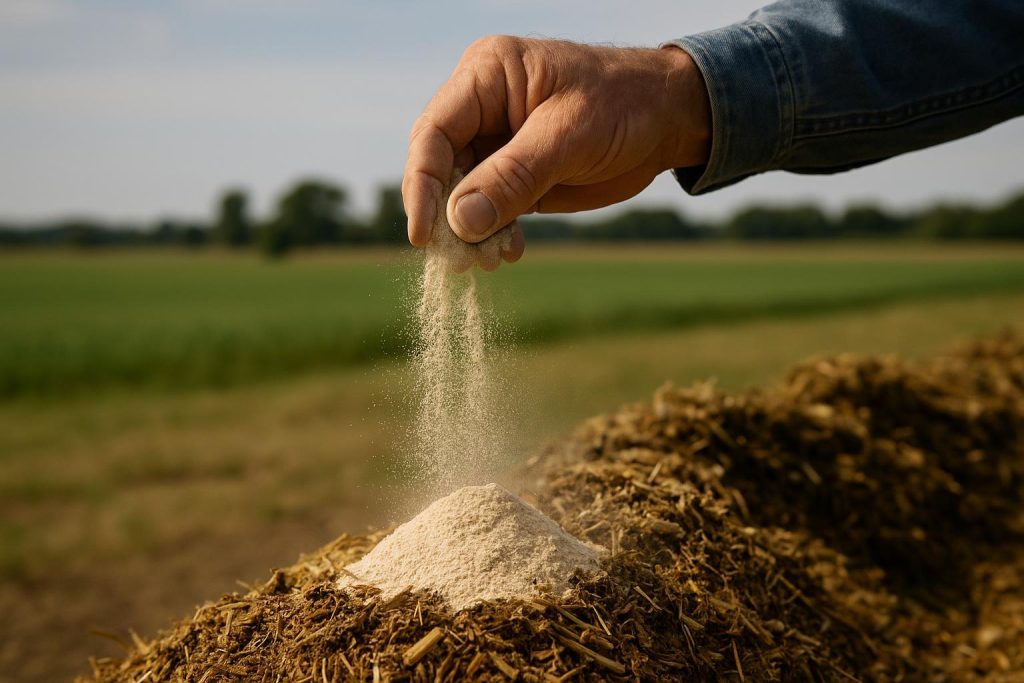
Practical Methods to Reduce Excess Dust in Livestock Feed Rations
Dust in livestock feed rations is more than just an inconvenience. It can negatively impact both animal performance and the comfort of your workers. Excessively dusty rations may reduce feed intake and create a frustrating feeding environment for many species, from cattle and poultry to swine and horses. When animals inhale airborne particles, their respiratory health can be compromised, and in some cases, this may lead to issues such as coughing or inflammation of the respiratory tract.
This article explores common causes of dust in livestock rations and offers practical strategies for minimizing it—ultimately supporting better nutrition, improved palatability, and a safer overall environment. From adding moisture or utilizing oil-based supplements to adopting proper feed management, there are numerous approaches you can use. By integrating best practices, you can reduce dust exposure, enhance animal well-being, and improve operational efficiency. Below, we will discuss some of the most effective methods, including how supplemental fats and oils can benefit health and productivity while combating dust.
Why Is Excessive Dust a Problem?
Every livestock operation strives to maximize feed consumption and transform nutrients into productive outputs, whether meat, eggs, milk, or other animal products. However, dusty feed can be a stumbling block. Here are a few critical reasons dust poses problems across different livestock sectors:
- Reduced Intake: If rations are too dusty, animals may be reluctant to consume their full allotment, which can lead to nutrient shortfalls. Over time, this can affect growth, milk production, egg yield, and overall health.
- Respiratory Concerns: Both humans and livestock can experience respiratory distress when exposed to large amounts of airborne particles. This can be especially problematic in enclosed barns or tightly sealed facilities where air circulation might be limited.
- Loss of Nutritional Value: Fine particles that become airborne may be lost altogether. If those particles contain vital nutrients, vitamins, or minerals, their absence can lower the nutritional quality of the feed actually ingested.
- Uncomfortable Environment: Not only do dusty conditions irritate nasal passages and eyes, but they can also increase barn maintenance and cleaning requirements. Keeping your operation dust-free is vital for employee comfort and livestock well-being.
Many of these challenges can be addressed effectively by reducing feed dust. The following sections detail proven methods and the benefits of each approach so that you can choose the best options for your specific operation.
The Role of Moisture and Particle Size
One basic approach is to incorporate moisture into your feed to help bind finer particles. Adding water or a liquid ingredient can reduce the likelihood of feed particles becoming airborne. By slightly dampening the mix, you encourage heavier, more cohesive rations. Keep in mind, though, that adding too much moisture can sometimes lead to spoilage, mold growth, or clumping during storage. Striking the right balance is essential.
Additionally, paying attention to particle size can mitigate dust. If the grains or other feed ingredients are ground too finely, dust levels will rise. In particular, livestock like swine or poultry require certain sizes of feed particles to optimize nutrient absorption; however, overly fine grinding can be counterproductive because it increases dust and negatively affects feed palatability. Periodically assess whether your grinding methods are producing the optimal particle size for your animals’ nutritional needs without generating excessive dust.
Using Fat-Based Supplements to Combat Dust
While adding water or adjusting particle size can help, many producers find that incorporating a high-quality, fat-based supplement offers a more robust and long-lasting solution. Fats and oils have a natural binding effect, helping to coat fine feed particles and preventing them from floating into the air as easily.
Moreover, fats and oils can supply essential nutrients, such as Omega-3 fatty acids, that benefit animal health. By using a supplement formulated with natural fats, you add nutritional value and achieve a cleaner, less dusty feeding environment. In essence, a fat-based supplement packs a dual punch: reducing airborne particles and fortifying animals with energy-rich nutrients.
If you are focused on all-natural methods, consider choosing a supplement that avoids chemical fillers. Ensure your product is free-flowing so it won’t clump, and look for proven formulations that can be easily integrated into various feeding regimes. Different species can benefit from different fat supplementation strategies. For instance, ruminants such as cattle may find it helpful to have moderate levels of additional fat in the diet to improve feed efficiency, while poultry and swine often respond to concentrated energy sources that also keep dust in check. Horses, too, can benefit from fat-based supplements, but you should tailor your approach to their specific needs.
Species-Specific Considerations for Dust Reduction
While the principles of managing dust often remain consistent across different livestock types, you may need to tweak these strategies to better match your animals. Below are some considerations for particular species:
- Cattle: Beef and dairy cattle often have diets rich in forages. However, finely ground grains or premixes can still create considerable dust in total mixed rations. Products like R3 or ProMeg Express may assist in binding particles while delivering beneficial Omega-3 content, especially critical in high-performing herds.
- Swine: Pigs are monogastric animals that typically do well on balanced rations with concentrated energy sources. However, dusty feed can discourage optimal intake and hinder growth performance. A reliable fat-based supplement, such as LipiPro, can help reduce dust and enhance the energy density of the feed. For more ideas on optimizing swine nutrition, consult our FAQ on how to optimize feed efficiency in swine production.
- Poultry: Layers and broilers can easily inhale airborne feed particles, which increases the risk of respiratory stress. Adding a poultry-specific supplement, like AviMeg, can help lower dust levels. Maintaining cleaner feed troughs can also improve egg production quality and overall flock health. To dive deeper, you might explore other frequently asked questions, such as Can feed supplements impact egg production quality?
- Horses: Equine diets often rely on forages and concentrates. However, many owners look for ways to add healthy fats for horses that need improved body condition or performance. An oilseed-based product like LipiGain can reduce dust and deliver the extra calories horses need. If you have a thin horse or suspect your horse might benefit from more fat in the diet, you might also consider checking out our guide on how to fatten up a skinny horse.
Improving Palatability and Feed Intake
When livestock find a ration more palatable, they are inclined to consume their daily requirements. Dusty feed presents an immediate obstacle to palatability, which may curb appetite. By integrating oil-based supplements, you not only weigh down the dust but also impart a more appealing aroma and texture. This upgraded palatability can lead to better feed intake—an essential factor for growth, production, and overall animal health.
Even more, when animals eat in a less dusty environment, they can comfortably access the nutrients intended for them. This paves the way for a number of benefits, such as improved immune function, higher fertility rates, and more consistent gains. If you want more insights on the elements that influence feed intake and how dust can play a role, you can check out our FAQ on the factors affecting feed intake.
Managing Feed Storage and Handling
Even if you implement a well-thought-out feeding regimen, how you store and handle feed can also determine dust levels. Consider these tips for effective feed management:
- Proper Ventilation: If your barn or feed storage area lacks ventilation, dust can accumulate quickly. Installing fans or vents can keep particles from lingering.
- Avoid Overgrinding: As mentioned, extremely fine particle sizes exacerbate dust problems. Make sure the grinding settings are correct for your intended ration.
- Handle With Care: Fast dumping or rough handling can stir up fine materials. Gentle transfer of feed from mixers to troughs can minimize airborne dust.
- Check Moisture Content: While dryness prevents spoilage, extreme dryness can make dust worse. Ensuring moisture content stays within recommended ranges can help.
- Routine Maintenance: Regularly clean and service feed bins, augers, and mixers to prevent residue buildup that could become airborne.Address small issues before they grow into bigger problems.
Implementing these measures alongside the use of an oil-based or fat-based supplement can make a notable difference in your day-to-day feeding operations.
Balancing Energy Density and Nutrition
Reducing dust goes hand in hand with ensuring livestock receive the nutrients they need for optimal performance. For many producers, finding the right energy density is critical. This is where a balanced fat-based feed supplement can help. By adding beneficial oils, you not only reduce the dust content but also increase the energy density of rations—particularly useful for high-demand production stages such as lactation or growth.
Improving energy density can have several advantages:
- Enhanced Weight Gain: For animals requiring weight gain or body condition improvements, a fat-based supplement can serve as a dense energy source without increasing feed volume.
- Better Feed Efficiency: In many livestock systems, a higher energy concentration results in more efficient utilization of nutrients, which can lower overall feed costs per unit of production. Learn more in our FAQ on feeding strategies to maximize pig growth for additional insights.
- Improved Reproductive Performance: Sufficient energy intake is vital to reproductive health. Dusty feed limit feed intake, which can impede fertility in species like cattle or swine.
- Reduced Digestive Stress: Fats and oils are usually more digestible than high-starch diets, leading to less digestive upset in certain animals.
All these benefits underscore the synergy between lowering dust levels and improving the nutritional aspects of your feeding plan.
Minimizing Health Risks for Workers
Beyond looking after animal welfare, it is also essential to provide a safe working environment for your team. Excess dust can cause eye, nose, and throat irritation, aggravate asthma in sensitive individuals, and generally lower air quality in enclosed spaces. By incorporating dust-minimizing strategies, you not only promote healthier livestock but also safeguard employee well-being. Investing in a comfortable environment often translates into better worker retention and satisfaction as well.
Environmental and Sustainability Considerations
Airborne feed particles can end up everywhere, sometimes even traveling beyond the immediate confines of your operation. Minimizing dust can thus help reduce the likelihood of feed contaminants reaching nearby waterways or affecting neighboring properties. This focus on cleanliness and efficiency also resonates with the broader trend toward more sustainable agriculture. A cleaner feeding environment reflects conscientious resource management, which can positively impact barn hygiene and overall sustainability performance.
Additionally, by efficiently delivering nutrients and lowering waste, you may reduce the total amount of feed needed to meet production goals. Combining dust control techniques with well-planned diets supports a more eco-friendly livestock production model—one in which healthcare expenses can be reduced, public perception is enhanced, and regulatory compliance is easier to maintain.
Choosing the Right Dust-Reducing Supplement
If you are considering a supplement specifically to help minimize feed dust, here are a few features to look for:
- Free-Flowing Consistency: Opt for supplements that are easy to handle so they don’t create additional clumping or residue.
- Natural Ingredients: Supplements derived from oilseeds, such as canola or flax, can add value without relying on chemical binders or fillers.
- Essential Fatty Acids: Look for products that offer Omega-3 benefits along with their dust-reduction properties. Omega-3s can enhance animal health and performance, improving the nutritional output of eggs, meat, or milk.
- HACCP-Certified Production: Quality assurance indicates a company’s commitment to safety and consistency. This can be crucial when introducing new supplement ingredients to your animals.
A strategic choice can transform your feeding regimen into an even more productive system, one that aligns with both nutritional optimization and dust control.
Putting It All Together
Successfully reducing dust in livestock feed rations depends on a multi-pronged strategy. It starts with understanding the root causes of dust (such as overly fine grinding or extremely dry conditions) and moves on to adding moisture strategically, selecting the right feed forms, and incorporating high-quality fat-based supplements. Managing feed storage and ventilation also plays a role, ensuring dusty conditions are minimized throughout the entire feeding process.
When you combine these methods, you create an environment that encourages livestock to consume their full ration without suffering the negative consequences associated with dusty feeds. This approach not only boosts animal performance but also helps maintain a safer, more pleasant workspace for farm personnel. Ultimately, producers who invest in dust reduction reap rewards in better feed efficiency, healthier livestock, and greater overall productivity, no matter their species of focus. If you are hungry for more insights on feed topics, consider exploring related FAQs such as the nutritional requirements for monogastric animals.
Key Takeaways
- Excessive dust can lower feed intake, threaten respiratory health, and waste valuable nutrients.
- Moistening feed or adjusting particle size are relatively simple steps to curb dust, but careful management is required to prevent spoilage and nutrient loss.
- Fat-based supplements offer a more comprehensive solution by binding dust particles and contributing essential fatty acids to support overall health.
- Each livestock species benefits from proper dust management, even though the application of these tips may vary slightly based on unique dietary needs.
- Combining dust-reduction measures with strong feed handling, storage, and ventilation practices provides the best results for both animals and farm workers.
By integrating these practices into your feeding program, you can achieve a notable improvement in ration quality, animal health, and farm efficiency. For those looking to bolster livestock nutrition and minimize airborne feed particles, a free-flowing, all-natural fat supplement can be a worthwhile option. By addressing dust head-on, you create a cleaner, healthier environment—laying a path toward improved performance, enhanced safety, and better returns on investment.