
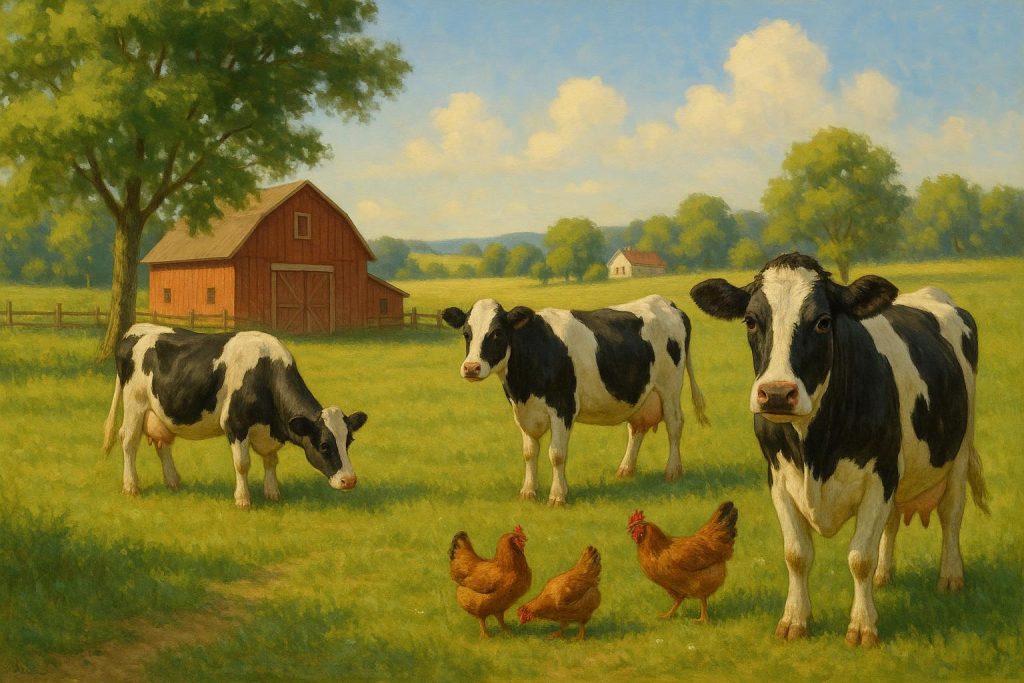
Understanding Protein Supplements for Monogastric and Ruminant Animals
Protein supplements play a crucial role in enhancing growth, fertility, and overall performance for many livestock species. However, monogastric animals (such as poultry, pigs, and horses) and ruminant animals (including cattle, goats, and sheep) have distinct digestive systems. This difference significantly influences how their bodies process, absorb, and utilize nutrients from protein supplements. In this expanded guide, we’ll explore these differences in depth, provide insights on optimizing your feeding program, and highlight ways that Omega-3 enriched supplements can offer advantages across various livestock.
Monogastric vs. Ruminant Digestion
Digestion is the foundation of animal nutrition. Monogastric animals have a single-chambered stomach, while ruminants have a multi-chambered stomach designed to ferment feed and extract nutrients more gradually.
- Monogastric Animals: Poultry, swine, and horses are classic examples. Their single-chambered stomach means that food is more quickly processed, so they often need highly digestible and palatable feeds. Their digestive tracts don’t rely on the extensive microbial fermentation found in ruminants, so the form in which a feed supplement is offered makes a big difference to efficacy, especially when it comes to protein digestion and nutrient bioavailability.
- Ruminant Animals: Ruminants have four stomach compartments: the rumen, reticulum, omasum, and abomasum. Microbes in the rumen break down fibrous plant material (such as cellulose) that monogastrics typically can’t digest efficiently. This microbial fermentation also alters amino acids and protein availability. High-quality protein supplements can help meet ruminants’ requirements for amino acids, especially if those supplements are protected or balanced to optimize microbial function in the rumen.
Understanding these digestive differences is essential because it informs how—and when—you should add certain protein supplements. What works efficiently for a pig or a chicken may need to be adjusted for a dairy cow or a beef steer.
The Vital Role of Protein
Protein is indispensable for many physiological processes:
- Muscle Development: Healthy muscle growth and maintenance depend on an adequate supply of amino acids, the building blocks of protein. In ruminants, microbial proteins form in the rumen; however, dietary supplements are still needed to ensure a balanced amino acid profile. In monogastrics, dietary protein sources require high digestibility since they can’t rely on hindgut fermentation as significantly as ruminants can.
- Hormone Production and Enzyme Function: Proteins and amino acids are key components in hormone and enzyme synthesis. Enzymes drive essential metabolic reactions, while hormones regulate diverse physiological processes ranging from growth to reproductive functions.
- Immune System Support: Protein deficiency in the diet can compromise the body’s ability to produce antibodies and other immune cells, thus affecting resistance to disease.
- Fertility and Reproduction: Adequate dietary protein can support reproductive function in a wide range of farm animals. From sow fertility to heifer development, ensuring quality protein can have a measurable impact on conception rates and overall reproductive outcomes.
Whether you’re feeding a layer hen or a dairy cow, you need to supply sufficient protein. However, the form and quantity must align with each species’ digestive capabilities for best results.
How Protein Needs and Supplementation Differ
Although both monogastric and ruminant animals benefit from dietary protein, the pathways they use to break down and absorb these nutrients vary. As a result, the protein supplement strategies that work for one type of animal may not automatically benefit another in the exact same way.
- Monogastrics: Typically require protein sources that are both highly digestible and rapidly available. For example, poultry producers often look for feed that can deliver essential amino acids—like methionine and lysine—in a form that birds readily utilize. Swine producers similarly need a diet optimized for feed conversion ratio and growth efficiency. Horses, while unique among monogastrics, still depend on easy-to-absorb proteins to assist with muscle tone and energy.
- Ruminants: Ruminant species benefit from a combination of rumen-degradable protein and bypass protein. The degradable portion feeds the rumen microbes, which produce microbial protein. However, for high-producing dairy cows or fast-growing beef cattle, microbial protein alone may not suffice. In those cases, supplements that protect or “bypass” a portion of the protein can help meet additional amino acid requirements. This bypass protein becomes available for absorption in the small intestine rather than being broken down entirely by rumen bacteria.
This distinction explains why certain feeds that may be great for monogastrics—like pure soybean meal—might be handled differently in a ruminant system, where microbial action can degrade or transform them substantially before absorption.
The Value of Omega-3 Enrichment
A growing body of research shows that Omega-3 fatty acids offer tangible advantages to both monogastric and ruminant animals. For example, improved fertility, enhanced immune function, and better coat or feather quality are common benefits reported across species when Omega-3 fatty acids accompany a balanced protein supplement. Adding an all-natural, Omega-3 enriched supplement can provide the following advantages:
- Inflammation Management: Omega-3s are known to help modulate inflammatory responses, crucial for animals under production stress or high-performance demands.
- Better Coat Condition and Appearance: Thicker, shinier coats in cattle and horses and improved feather quality in poultry are often associated with adequate fatty acid intake.
- Enhanced Reproduction: In ruminants, Omega-3 supplementation may help with embryo viability and improved conception rates, while monogastrics can see better fertility and efficient healthy growth for offspring.
- Consumer-Driven Value: Meat, milk, or eggs enriched with Omega-3 can fetch a premium in health-conscious markets, which can help boost farm profitability.
When you combine the power of protein with Omega-3 enhancement, you’re nourishing animals with a more comprehensive nutritional profile. This synergy not only improves feed conversion ratios but also fits into the pursuit of more marketable end products.
Key Considerations When Choosing Protein Supplements
Selecting a suitable protein supplement depends on many factors, including your target species, specific health goals, and the overall feeding program. Below are some points to keep in mind:
- Digestibility: Not all protein sources are created equal. Highly digestible supplements ensure a greater proportion of nutrients are absorbed, reducing waste and costs.
- Feed Conversion Ratio (FCR): This ratio calculates how efficiently an animal converts feed into desired outputs—be that gain in weight, milk production, or egg mass. A better FCR can make a significant difference in overall profitability, so you want a protein supplement that supports feed efficiency.
- Form of the Supplement: Some protein supplements come in liquids, meal forms, or pellets. Make sure it integrates easily with your existing feed ration and can be measured and blended without hassle.
- Storage and Stability: Protein sources can be prone to spoilage if not handled correctly. Look for stable, low-dust options that fit your environment. While chemical stabilizers or mold inhibitors are common in some products, an all-natural approach can mitigate chemical exposure for animals and handlers.
- Bioavailability: The higher the bioavailability, the better your animals can utilize the nutrients. This is especially critical for monogastrics that don’t rely on extensive microbial fermentation to convert lower-quality proteins into usable forms.
- Omega-3 Inclusion: When selecting a protein supplement, consider whether it comes with additional functional fats, particularly Omega-3 fatty acids, to enhance benefits like fertility and immune support.
Practical Feeding Tips: Blending Protein and Omega-3 Sources
Integrating protein supplements into your feed ration doesn’t have to be complicated:
- Balance and Consistency: Ensure the supplement aligns with the baseline ration you’re already feeding. If you’re adding an Omega-3 and protein-based supplement, check how it interacts with existing protein sources, fat levels, and vitamin/mineral content.
- Start Slowly: If you’re introducing a new supplement, gradually increase its inclusion rate. This approach helps animals adapt while letting you observe changes in feed intake, fertility, and body condition.
- Monitor Performance: Keep accurate records of weight gain, egg production, milk yield, or any relevant performance metrics. Compare these with pre-supplement benchmarks to see how the new protein supplement is contributing to results.
- Consult a Nutritionist or Veterinarian: For complex rations or specialized needs, collaborating with professionals can help you fine-tune the feeding program to ensure animals get the best possible balance. This step is especially valuable for high-performing dairy cattle or top-tier show horses needing targeted nutritional support.
Real-World Examples
Producers often ask, “Do monogastrics and ruminants benefit from the same protein supplements?” In many cases, the base protein source might be the same, but how it’s processed or formulated can differ. For example:
- Dairy farms looking for a stable source of bypass protein can benefit from specially formulated supplements that ensure enough un-degraded protein reaches the small intestine.
- Swine operations may opt for a powdered protein supplement with high bioavailability and Omega-3 content to improve feed intake and growth without undue stress on piglet digestion.
- Poultry producers might add a protein supplement enriched with Omega-3 to support egg quality and improved nutritional value for the consumer market.
- Horse owners might choose a free-flowing, easy-to-handle protein and fat additive for better coat health and muscle recovery, especially beneficial for performance horses under training stress.
Where Do Omega-3 Enriched Protein Supplements Fit In?
Today’s consumers pay closer attention to how their food is produced, favoring products with enhanced nutritional profiles. If your animals receive enough Omega-3 fatty acids, those benefits can pass along to eggs, milk, and meat. While ruminants and monogastrics both gain from Omega-3 supplementation, the benefits might manifest differently:
- Ruminants: Enhanced rumen health, improved reproduction, and the possibility that higher Omega-3 levels might end up in milk and meat, extending shelf life and boosting nutritional value.
- Monogastrics: Possible improvements in feed efficiency and muscle tone, along with boosted immunity and a higher Omega-3 content in final products like eggs, pork, or even horse performance outputs (such as endurance).
Blending Omega-3 with quality protein can be particularly advantageous. By collaborating with nutrition experts, you can craft a feeding strategy that meets each production goal, from wean-to-finish hog operations to high-yield dairy herds.
Considering Convenient, Low-Dust Supplements
One common frustration among farm operators is the difficulty of handling and storing certain feed additives. Clumping, rancidity, and dustiness all pose challenges. When exploring your options, look for supplements that are:
- Free-Flowing and Dry: This reduces equipment clogging and makes daily barn operations more efficient, whether you’re mixing small hand-measured portions for horses or large total mixed rations for dairy cows.
- Highly Palatable: If animals reject the feed, the benefits won’t matter. A palatable supplement often makes the transition into a new feeding regimen smoother.
- Easy to Blend: Simplify your protocols by choosing products that integrate well with a variety of rations—whether that’s a commercial poultry crumble or a TMR for a cattle operation.
Final Thoughts
In the debate over whether protein supplements are equally beneficial for monogastric and ruminant animals, the answer largely hinges on formulation, digestibility, and species-specific requirements. Both monogastrics and ruminants need adequate, high-quality protein. They also both stand to gain from Omega-3 fatty acids—a powerful combination that supports fertility, immune function, and feed efficiency across the board.
However, the exact supplement choice should reflect the digestive processes unique to each type of animal. Monogastrics generally need quickly available, bioavailable protein, while ruminants can leverage microbial fermentation but still require certain types of bypass protein for optimal performance. If you’re managing both categories on the same operation, understanding these differences will help you deliver targeted nutrition that leads to real, measurable results.
Ultimately, selecting the right protein supplement can make a dramatic impact on growth rates, reproductive success, and overall herd or flock health. By combining this with Omega-3 enrichment, you can further boost the quality of animal products and support consumer demand for nutritionally enhanced eggs, milk, and meat. A consistent, carefully formulated supplement strategy is key—offering benefits for both monogastrics and ruminants, as well as the people who rely on these animals for livelihood and nourishment.