
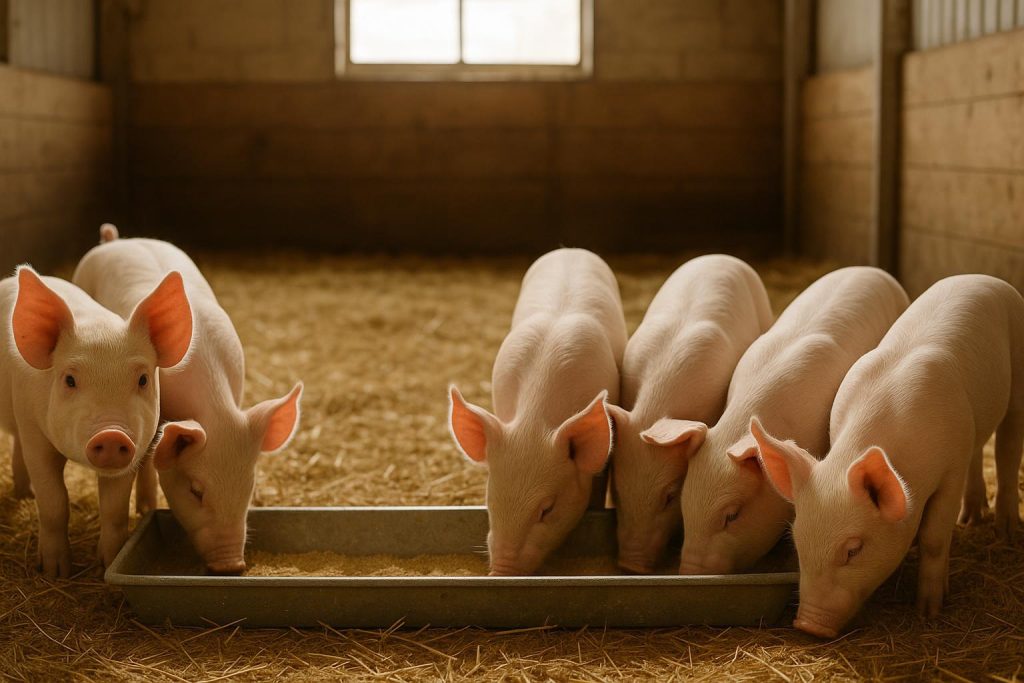
Consistent Feed Intake: The Foundation for Weaner Pig Success
Consistent feed intake is one of the most vital factors in the early success of newly weaned pigs. When piglets transition from the sow’s milk to solid feed, their nutritional needs and habits shift dramatically. The stress of leaving the sow, adapting to a new pen, and competing with pen mates can all impact feed consumption. Overcoming these challenges—and ensuring that young pigs consume steady amounts of feed—benefits everything from feed conversion ratio (FCR) to overall growth and health. In this article, we will explore why consistent feed intake is so critical, how farm managers can maintain it, and what benefits it provides for both pigs and producers.
Understanding the Weaning Transition
Weaning is a pivotal moment in a pig’s life. After living solely on the sow’s milk, piglets experience multiple changes simultaneously: a new environment, the introduction to dry feed, and the need to compete for resources. This transition, if not managed carefully, can compromise everything from digestion to immune function. A balanced and continuous feeding plan prevents sudden drops in nutrient intake and helps newly weaned pigs sustain adequate energy levels. Without this stability, piglets might experience reduced weight gain, increased susceptibility to disease, and a slower adjustment to their new environment.
Often, the nutritional switch at weaning includes a diet higher in specific nutrients, such as proteins and fats. Young pigs are especially sensitive to any disruptions in feeding frequency or quality. That’s why it is important to consider whether you should adjust protein levels during the early weaner phase. If you would like more information on this topic, you may find details in the following resource: Should I adjust protein levels during the early weaner phase?
Key Nutritional Considerations
Each newly weaned pig will have specific nutritional requirements based on factors like weight, genetic background, and overall health status. Providing the right balance of protein, fats, and carbohydrates not only encourages feed intake but also optimizes nutrient absorption and supports immune function. Protein in weaner rations helps build muscle and tissues, fats deliver sustained energy, and carbohydrates fuel metabolic processes. In addition, vitamins, minerals, and trace elements are crucial for avoiding deficiencies and ensuring proper growth.
When designing a feeding program for newly weaned pigs, producers often ask: Are there specific nutrient ratios to consider for weaner rations? If you want a more detailed breakdown on nutrient balancing, read this helpful resource: Are there specific nutrient ratios to consider for weaner rations? Understanding ideal nutrient ratios is a cornerstone of any consistent feeding strategy. After all, it’s not only how often pigs eat, but also what is in the feed that determines successful growth rates, gut health, and efficiency.
Managing Stress and Behavior
Aside from dietary changes, newly weaned pigs must learn to cope with unfamiliar pen mates, new surroundings, and social hierarchies. Competition for feed can cause aggression, which disrupts feeding patterns. By ensuring pigs have ample access to feed troughs and water, farm operators minimize confrontations and encourage frequent, consistent meals. Stress-related behaviors like constant vocalization or tail-biting are often reduced when pigs feel secure and have reliable feed availability.
Moreover, young piglets that eat regularly are more likely to maintain a strong immune system during and after weaning. Because stress can lower immunity, consistent feeding helps keep pigs healthier. Producers may also wonder, Can adding fat supplements help reduce stress in newly weaned piglets? For further reading on that specific point, you can visit: Can adding fat supplements help reduce stress in newly weaned piglets?
Why Consistency Matters for Gut Health
A pig’s digestive system at weaning is still maturing. Inconsistent or inadequate feed intake can disturb the gut microflora that supports digestion and nutrient absorption. This imbalance often leads to issues like diarrhea or low feed conversion efficiency. A steady feeding schedule maintains gut health by promoting the gradual acclimation of a pig’s digestive tract to solid feed. Over time, the beneficial bacteria in the gut multiply, enabling better digestion and limiting the spread of harmful pathogens.
Producers keen on safeguarding gut health may also research how fat-based supplements support gut health in weaner pigs. Fat sources often have high energy density, which is especially helpful for maintaining growth during stressful transitions. When included at proper levels, these supplements can boost overall feed palatability, another crucial factor in ensuring pigs eat reliably.
Strategies for Maintaining Consistent Feed Intake
Maintaining reliable feed intake in weaner pigs starts with excellent on-farm management practices. Below are some proven strategies:
- Frequent Feeding: Offering feed multiple times a day encourages young pigs to nibble and reduces the risk of feed spoilage. This also helps piglets overcome the early post-weaning dip in appetite.
- Palatable Feeds: Enhancing taste and texture can greatly impact consumption. If you are curious about the relationship between taste and growth, check out this page on what impact feed palatability has on weaner growth.
- Clean, Dry Pens: A comfortable, hygienic environment lowers stress and keeps pigs healthier, which helps them remain hungry and engaged with the feed.
- Accessible Water: Clean drinking water stimulates appetite. Always ensure ease of access and consistent water quality.
- Gradual Diet Change: Phase feeding helps the pig’s digestive system adapt without sudden shocks. If you need more insights on transitioning effectively, see how to ensure a gradual transition in feed composition post-weaning.
These steps serve as the foundation of a program that prioritizes consistent feed intake. Combined with good stockmanship, the right feed formulation, and close observation of pig behavior, these measures can help foster steady growth during the vulnerable weaning period.
The Role of Specialized Supplements in Weaner Feeds
Beyond the base ration, targeted supplements can significantly improve feed intake and overall performance. Many producers incorporate fat-based supplements to elevate the energy density of a ration, making it easier for pigs to consume enough calories to sustain growth. In addition to boosting energy, these supplements are often designed for bioavailability and digestibility, two factors that support healthy weight gain without overloading the pig’s maturing digestive system.
At times, certain supplements contain beneficial Omega-3 fatty acids, which are known to have positive effects on immunity, fertility, and overall well-being. For deeper insights, you might examine what role Omega-3 products play in weaner feed programs. Offering balanced sources of Omega-3s can enhance gut flora, support tissue repair, and contribute to smoother transitions.
Producers often turn to proven formulations such as LipiGain or R3 to elevate energy density. Both are formulated with bioavailable fats, proteins, and Omega-3s that fortify gut health and ensure calories are efficiently converted to growth. Such supplements can help pigs keep up their intake even during stressful or fluctuating environmental conditions.
A common question arises around the best time to introduce specialized feed supplements to piglets. Some producers prefer introducing them a few days before weaning to help piglets get accustomed to new flavors. Others prefer adding them right after weaning to boost energy intake during the transitional period. The key is consistency—once the supplement is introduced, it should remain a stable part of the diet for a set period, allowing young pigs to adjust and reap the benefits.
Recognizing Indicators of Potential Problems
Maintaining consistent feed intake also requires ongoing monitoring. Some early warning signs that your weaner feed strategy needs tweaking include slowed growth, heightened aggression, or noticeable drops in feed consumption. Watch how pigs behave during feeding times: Do some pigs push others out? Is the trough empty too soon or not at all? Tracking daily weights can reveal dips in growth that might signal underfeeding or digestive issues.
If you notice these red flags, it may be worth consulting the resource on common signs that a weaner feed strategy needs adjusting. Quick, proactive intervention helps prevent small issues from evolving into major setbacks. Adjust rations, check protein and fat sources, and ensure that feeders are clean and accessible. Sometimes just a minor shift in feeding frequency or an upgrade to more palatable feed can correct inconsistencies.
Long-Term Benefits and Economic Impact
Consistent feed intake during the weaning period delivers benefits long after pigs move on to grower and finisher stages. By avoiding early nutritional setbacks, animals build a strong foundation for growth, immune response, and meat quality. This reduces medical costs and ensures fewer culls, resulting in a more uniform group of pigs. The investment in a steady feeding regimen can also generate better profits, as pigs with unimpeded growth reach market weight on schedule, requiring fewer inputs overall.
Another vital advantage is the more efficient use of feed resources. Pigs that eat steadily and effectively convert their feed into body mass have a better feed conversion ratio. This not only saves money for producers but also lowers environmental impact by reducing wastage. In a world where sustainability and cost-effectiveness are increasingly essential, each incremental improvement in feeding efficiency pays dividends in both animal well-being and producer profitability.
Ensuring a Sustainable Approach
Part of maintaining consistent feed intake includes adopting a broader farm management strategy that values sustainability. Minimizing stress in weaner pigs not only enhances animal welfare but supports cleaner growth, fewer disease outbreaks, and a smaller environmental footprint. By integrating fat and protein supplements that don’t rely on chemical stabilizers or mold inhibitors, producers can keep feed regimens as natural as possible. This helps align with modern consumer expectations for safer, more responsibly raised livestock.
Omega-3 enriched supplements, such as LipiGain, prove especially helpful in optimizing feed intake while contributing to better health markers for pigs. These specialized products can align with the farm’s ecological and economic goals by supporting robust growth with minimal waste.
Monitoring and Adaptation: Keys to Success
No matter how well-structured a feeding strategy may be, continuous monitoring is essential. Regularly evaluate feed trough cleanliness, feed texture, water availability, and pig behavior. Review daily weight gains and feed consumption patterns to pinpoint any stalls or backslides in pig performance. If needed, adapt quickly by adjusting rations, changing feed textures, or incorporating appropriate supplements. Thorough documentation of these changes—along with observed outcomes—further refines your feeding program.
Moreover, the weaner phase is an ideal time to experiment (cautiously) with different feeding regimes or supplement combinations. Since newly weaned pigs are at a critical developmental stage, a small improvement in feed intake can translate into noticeable gains. Keep in mind that any experiment should be closely monitored for potential negative effects. If you see immediate declines in feed intake or increased digestive upset, revert to a proven protocol and revisit the drawing board.
Conclusion: Investing in the Future of Your Herd
Ensuring consistent feed intake for newly weaned pigs is an investment that pays off in multiple ways. When piglets consume a stable, high-quality diet, they establish solid growth rates, foster a stronger immune system, and reduce the likelihood of costly health complications. Tactics such as frequent feeding, palatable rations, stress reduction, and the inclusion of specialized supplements like R3 help producers maintain an optimal feeding schedule. For further enhancements, many producers also investigate the role of Omega-3 products and how these ingredients can further elevate a pig’s overall performance and well-being.
In the long run, a consistent feeding approach ensures that pigs realize their full genetic potential. It lays the groundwork for healthier animals with better feed efficiency and prime market weights—factors that directly impact profitability. By paying attention to the details of nutrient ratios, introducing supplements at the right time, and continually assessing pig behavior, farm managers create an environment where weaner pigs thrive both nutritionally and socially. As a result, producers see fewer setbacks, enjoy more uniform growth, and create a foundation for a successful operation that meets the demands of modern agriculture.
Remember that every farm has its own set of challenges and resources. Consistency in feed intake is the common thread that unifies all successful weaning strategies, but the specifics of each program may vary. With vigilant monitoring, timely adjustments, and a commitment to high-quality feeds and supplements, newly weaned pigs can start their lives strong and maintain that momentum all the way to market. Ultimately, getting weaned pigs to eat steady, nutrient-dense meals is about securing a more stable, profitable, and sustainable future for both producers and the animals they care for.