
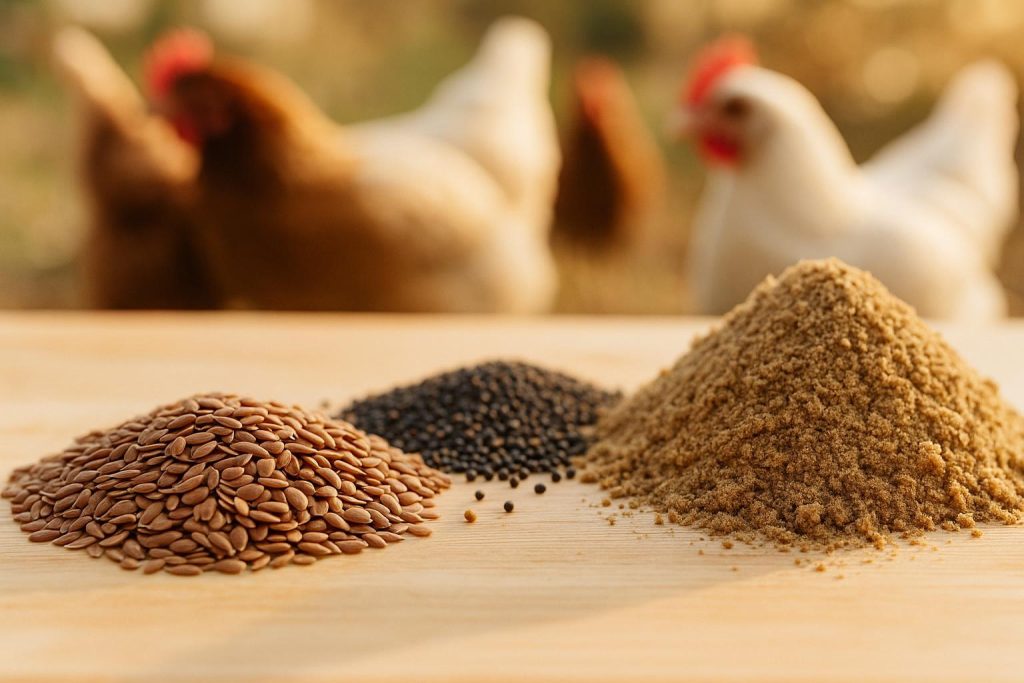
How Natural Omega-3 Sources Can Benefit Poultry
Omega-3 fatty acids play a vital role in poultry health, influencing everything from immune function to reproductive performance. For modern chicken operations, incorporating Omega-3 in the ration can improve the nutritional value of eggs and meat while enhancing flock resilience. But the question remains: Which natural sources of Omega-3 are commonly used in chicken feed? In this guide, we’ll look at the main options, discuss their nutritional significance, and offer practical tips on how to integrate them into a feeding program. By understanding how each option works, you can make informed decisions on how best to enhance the health of your birds while potentially elevating your farm’s overall profitability.
1. The Importance of Omega-3 in Poultry Diets
Before we explore where these natural Omega-3s come from, let’s clarify why they matter. Omega-3 fatty acids, most notably eicosapentaenoic acid (EPA) and docosahexaenoic acid (DHA), are widely studied for their positive impact on health. In chickens, research has linked Omega-3 supplementation to:
- Improved immune function: Birds can be more resistant to common pathogens when their diet includes sufficient Omega-3s.
- Enhanced reproductive performance: Healthy laying hens often show improved egg quality, partly due to better fat and protein conversion in their diet.
- Optimized feed conversion ratio (FCR): By improving digestibility and bioavailability, Omega-3s can help hens make more efficient use of their feed.
- Higher-value end products: Eggs and meat enriched with Omega-3 can command premium prices in many markets, responding to consumer demand for healthier foods.
Poultry cannot synthesize certain types of Omega-3 on their own, making it essential to provide these fatty acids through the ration. If you’re looking to boost Omega-3 intake naturally, the following ingredient categories are prime considerations.
2. Common Sources of Omega-3 for Poultry
Over the years, farmers and nutritionists have tested various feed additives to deliver natural sources of Omega-3s. Let’s explore the most popular options below, along with their pros and cons.
2.1 Flaxseed (Linseed)
Why It’s Popular: Flaxseed (or linseed) is one of the most well-known plant sources of alpha-linolenic acid (ALA), an essential Omega-3 fatty acid. It’s relatively abundant in ALA and has been used in poultry diets for decades.
Key Benefits:
- High in protein, contributing to overall nutritional value.
- Provides a plant-based Omega-3 option with fewer sustainability concerns than some marine sources.
- Offers a moderate fiber content, which can aid in digestion when balanced correctly.
Potential Drawbacks: Flaxseed can be susceptible to rancidity if not properly stabilized, and it may require specialized processing for optimal bioavailability. Including it at higher rates in feed sometimes leads to off-flavors in eggs if not managed carefully.
2.2 Fish Oil
Why It’s Popular: Fish oil is a direct source of EPA and DHA—two highly beneficial long-chain Omega-3 fatty acids. Because these types of Omega-3s have direct positive impacts on poultry health, many producers see immediate results when adding them to the feed.
Key Benefits:
- Rich in EPA and DHA, which are crucial for strong immune function in poultry.
- Highly concentrated, so smaller amounts can influence the bird’s overall fatty acid profile.
Potential Drawbacks: Some farmers are concerned about the fishy odor and potential influence on egg flavor, especially if used in higher proportions. Quality and sustainability of fish oil sources also matter, as poor-quality oils may risk contamination or reduce palatability.
2.3 Algae Meal
Why It’s Popular: Algae-based sources are exceptionally rich in DHA, making them a strong alternative to fish oil. Algae meal is increasingly favored in operations aiming to reduce their reliance on marine-sourced ingredients while still achieving a potent Omega-3 profile.
Key Benefits:
- Consistent DHA profile without contributing to overfishing concerns.
- Offers a sustainable, vegetarian-friendly approach to Omega-3 enrichment.
Potential Drawbacks: Algae meal can be costly compared to other options. Integration must be balanced with other feed components to ensure cost effectiveness and prevent overloading the ration with pricey inputs.
2.4 Canola and Other Oilseeds
Why They’re Popular: Canola seeds, along with certain other oilseeds, are known for moderate ALA content and good protein levels. They’re often readily available and can be processed into meal or oil for poultry rations.
Key Benefits:
- Improvement in feed conversion ratio due to better energy contribution.
- Canola meal offers a good blend of protein and fat, aiding overall digestibility.
- A more neutral flavor profile compared to fish oil or flaxseed at higher inclusions.
Potential Drawbacks: Like flaxseed, canola and other oilseeds may require specialized processing to stabilize the fats, ensuring they remain free-flowing and do not become rancid.
2.5 Soybean-Based Supplements
Why They’re Popular: Soybeans are already a cornerstone in many poultry rations due to their high protein content. Some soybean-based supplements are now developed to emphasize Omega-3 content.
Key Benefits:
- Widespread availability and familiarity among poultry farmers.
- Can deliver additional protein along with beneficial fats.
Potential Drawbacks: Standard soybean meal typically contains more Omega-6 than Omega-3. Finding specialized soybean products that increase Omega-3 content can involve extra cost or sourcing challenges. Balancing the dietary ratio of Omega-6 to Omega-3 is crucial to avoid diminishing the benefits of Omega-3 supplementation.
3. Factors to Consider When Selecting an Omega-3 Source
Choosing the right Omega-3 source for your poultry flock involves more than just looking at cost and availability. Below are other considerations that can make or break the success of any Omega-3 enrichment program.
- Digestibility: Not all Omega-3 sources have the same level of digestibility, especially if they are not properly processed. High digestibility ensures the birds can absorb the fats efficiently.
- Fat Stability: Omega-3s can oxidize rapidly, leading to rancidity. Look for processed ingredients that address the need for stable, easy-to-handle fats.
- Feed Conversion Ratio: Although Omega-3s are beneficial nutritionally, they should integrate smoothly into the existing ration without disproportionately increasing costs. A well-chosen additive can improve feed conversion rather than hinder it.
- Overall Ration Balance: Monitor the ratio of Omega-6 to Omega-3. Maintaining a balanced approach can yield better health and productivity outcomes for birds.
4. How Specialty Supplements Can Help
To overcome problems like rancidity, dustiness, and inconsistent Omega-3 levels, many producers now opt for specialty supplements. These products typically undergo proprietary processing methods to stabilize oil and protein components, improving bioavailability and digestibility for poultry. If you’re looking to reduce your reliance on raw ingredients, or find a solution that’s reliably free from off-odors and handling difficulties, consider feed additives that are engineered for poultry use.
AviMeg is one such option designed for birds. By using specialized processing technology, it provides a free-flowing, low-dust format that is high in Omega-3s. Unlike raw fats or oils that often require extensive handling precautions, a well-developed supplement form can be easily blended into rations, offering predictable nutrient delivery.
5. Best Practices for Incorporating Natural Omega-3s
Even the best Omega-3 source won’t yield results if not integrated properly. Consider these best practices:
- Start Low, Go Slow: Introducing a new ingredient or supplement gradually allows birds to adapt and minimizes stress on the digestive system.
- Track Egg Quality Metrics: For layers, monitor shell quality, albumen height, and overall egg content to confirm positive outcomes from the Omega-3 enrichment.
- Collaborate with a Nutritionist: A poultry specialist or nutritionist can help fine-tune inclusions, ensuring the ration remains balanced and cost-effective.
- Mind Palatability: Some Omega-3 sources can alter the taste or smell of the feed. Gradual introduction and stabilized supplements help avoid off-flavors.
6. Aligning Omega-3 Sources with Farm Goals
Each poultry operation has unique priorities, whether it’s maximizing egg output, improving growth rates in broilers, or enhancing the nutritional profile of meat. Omega-3 supplementation can be a worthwhile investment in each scenario, as long as it aligns with the farm’s overall targets. By employing the right supplement or ingredient, you can synergize with the rest of the diet to produce measurable gains in:
- Flock Health: Enhanced immune function may reduce antibiotic costs and improve overall performance.
- Production Efficiency: Better feed conversion and faster growth can lead to higher profitability.
- Product Value: Omega-3 enriched eggs or meat can be sold at a premium, especially to health-conscious consumers.
7. Sustainability Considerations
In addition to delivering nutrients, today’s farmers and consumers increasingly value ethical and environmentally friendly production. Many natural Omega-3 sources, such as algae meal or canola seed, can reduce the environmental stress linked with certain marine sources. Selecting a supplement that’s processed with minimal chemical usage also helps align with sustainable farming practices.
By focusing on additives that don’t require mold inhibitors or synthetic stabilizers, farmers can decrease their overall chemical footprint. This approach resonates with a growing market segment that prioritizes eco-friendly and all-natural animal products. It also supports long-term viability by maintaining healthier birds and land.
8. Putting It All Together
Choosing the right natural source of Omega-3 for your chickens depends on multiple factors: cost, availability, stability, and how it integrates with existing diets. From plant-based options like flaxseed, canola, or soybeans to marine or algae-based ingredients, each source brings unique advantages. However, it’s crucial to maintain the right balance, watch for common pitfalls like rancidity or flavor changes, and use proven, stabilized sources whenever possible.
If you’re trying to elevate your poultry operation organically, well-designed Omega-3 feed supplements can be part of the solution. For instance, in operations that prioritize low dust, easy handling, and consistency, a scientifically developed option like AviMeg could streamline your feeding program. Such choices support strong immune function, improved egg or meat quality, and ultimately elevate the profitability of your farm.
9. Moving Forward
Whether you’re a seasoned poultry farmer or just beginning to explore the advantages of Omega-3 supplementation, remember that even subtle improvements in digestibility and feed conversion can add up significantly. With natural sources that align with your farm’s objectives, you can provide a sound nutrition profile to your flock while standing out in the marketplace for offering top-quality, Omega-3 enriched poultry products.
To summarize, natural sources of Omega-3—including flaxseed, canola seeds, fish oil, algae meal, and specialty supplements—can all benefit your birds. The key is consistency, balanced formulation, and ensuring the final dietary mix remains palatable, stable, and effective.
When done right, incorporating these nutrient-rich ingredients or supplements helps fulfill the very reason you raise poultry in the first place: to deliver healthy, productive flocks and provide wholesome, value-added products to your customers.