
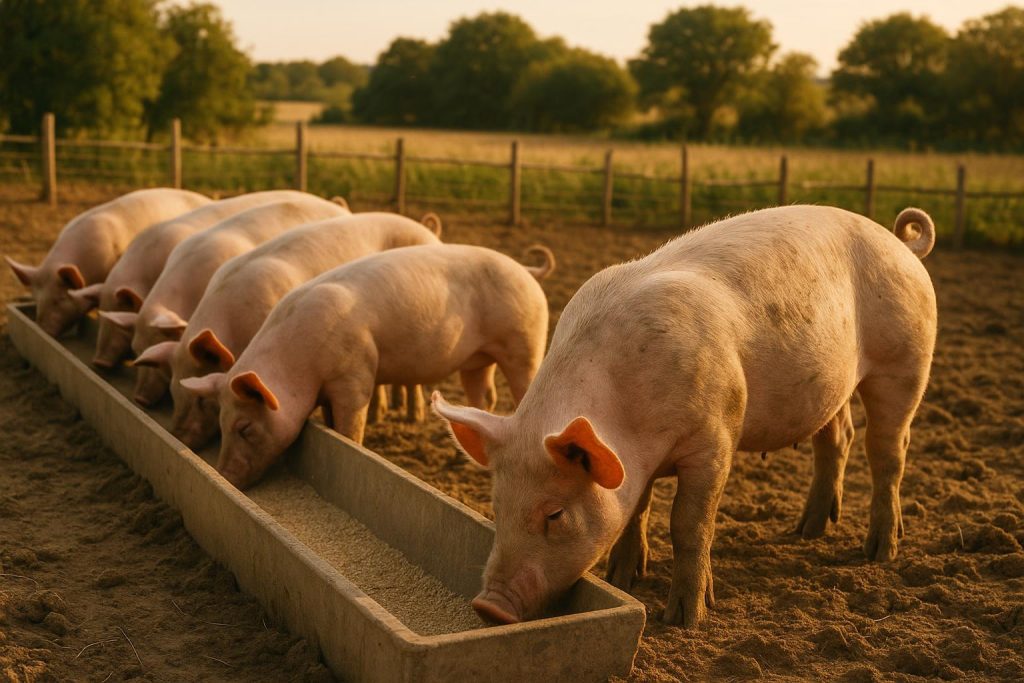
Proven Strategies to Reduce Feed Wastage in the Finishing Stage
Feed wastage in the finishing stage presents one of the most significant hidden expenses for swine producers. During these final weeks before market, any waste—whether from equipment m isalignment, spilled feed, or nutritional imbalances—directly cuts into profits. By carefully monitoring feed systems, refining rations, and ensuring animals consume feed efficiently, you can reduce waste while supporting optimal growth. Below, we explore practical approaches to help you manage feed losses and maintain profitability at this critical phase.
Understand the Main Causes of Feed Wastage
Reducing feed wastage begins with understanding how it happens in the first place. In the finishing stage, pigs can exhibit competitive feeding behaviors, leading to spillage or feed tossing. Additionally, feeders that are not calibrated or maintained can distribute feed unevenly, causing excess to fall to the pen floor. Over time, problems with moisture accumulation or mold can also cause pigs to reject feed, pushing it aside. Each of these factors adds up, and by addressing them, you can dramatically improve your feed conversion ratio (FCR) and overall performance.
Conduct Regular Equipment Inspections
One of the easiest ways to curb feed loss is to stay proactive with equipment checks. Even a seemingly minor defect in a feed dispenser can lead to significant spillage. Feeder misalignment, broken troughs, and worn-out dispenser mechanisms often go unnoticed until the losses become visible. By scheduling inspections at least weekly, you can notice if fasteners are loose, feed troughs are too full, or a dispenser door isn’t closing properly. If you spot a problem, fix it immediately: adjust feed flow rates, tighten bolts, or replace damaged parts to keep feed where it belongs—inside the feeder and ultimately in your animals.
- Calibrate Dispensers: Regular calibration ensures the feeder dispenses an appropriate amount of feed based on the growth stage of your pigs.
- Align Troughs Correctly: Misaligned or angled feed troughs lead to more feed escaping before pigs can consume it.
- Watch for Leaks: Over time, seals can wear out, allowing rations to trickle onto the floor. Early detection prevents a costly mess.
These basic steps don’t require special tools or extensive downtime, yet they address a major source of feed wastage over the finishing period, setting your operation up for more efficiently consumed rations.
Focus on Diet Quality and Palatability
Providing a balanced, nutrient-dense diet goes a long way toward preventing feed waste. When rations taste good (and supply the correct nutrients), finishing pigs are more inclined to consume their entire portion. Substandard or inconsistent diets, on the other hand, lead to selective feeding behaviors and unconsumed residue. Here are a few tips to ensure your pigs get the most from their feed:
- Choose Quality Ingredients: Prioritize nutrient-rich feed additives and protein sources that maintain their integrity during storage. If you are uncertain about ration composition, work with a nutritionist to make sure your feed meets the protein, fat, and vitamin requirements of finishing pigs.
- Consider Pelletizing or Supplementation: Pelleted rations often have fewer fines, reducing dust and making feed more enticing. Supplements that boost digestibility—like specialized fat or protein solutions—can also help your animals process more of the feed they eat.
- Monitor Particle Size: Overly fine feed can create dust, which pigs may inhale or push away. Balancing particle size helps reduce sorting and spillage.
Consistency in diet composition also supports a stable gut environment, leading to better feed conversion and less waste. By focusing on taste, texture, and nutrient profile, you set the stage for maximum feed efficiency.
Maintain Proper Storage Conditions
Avoiding spoilage is critical. Even small amounts of moisture can trigger mold growth, making feed less palatable and risking potential health issues for your pigs. If animals sense moldy or rancid odors, they may root through the feed looking for more acceptable morsels, scattering the rest. To keep feed fresh:
- Store in Dry Areas: Invest in well-ventilated storage bins or silos that keep feed protected from rain, humidity, or condensation. Dry feed is less prone to clumping and contaminant growth.
- Inspect for Infestations: Identify signs of insects or rodents. These pests can consume or spoil large amounts of feed when left unchecked, effectively increasing waste.
- Rotate Stock: Use the oldest feed first to prevent it from deteriorating while you move on to newer batches.
By firmly controlling storage conditions, you preserve feed quality. Since finishing pigs are in their last growth stages—and require consistent nutrient intake—keeping the feed fresh means they’ll likely consume it rather than push it aside.
Optimize Feeding Schedules and Rations
Offering feed in smaller, scheduled meals helps promote steady intake and discourages pigs from taking just a few bites and leaving the rest. With larger, infrequent feedings, it’s easier for animals to scatter or spill feed. In high-production environments, automated feeding systems are a useful resource. They dispense measured portions at regular intervals, matching the growing pig’s daily consumption. Calibrating these systems to the nutritional demands of your finisher herd reduces overeating, leftover feed, and, consequently, losses on the floor.
In addition, aligning your feeding schedule with peak activity times can maximize feed utilization. If you feed when pigs naturally show more appetite, there is a higher chance the ration will be consumed swiftly and thoroughly, limiting the opportunity for wastage.
Evaluate Feeder Space and Placement
Overcrowding can significantly increase feed already lost to pen floors. When pigs compete for limited feeder space, they may jostle each other, causing feed to spill over. Or the more dominant animals may block timid ones from the trough, leading to frustration and seat-shuffling that inadvertently wastes feed. To address these challenges, ensure you have enough feeder slots or trough length to accommodate pigs comfortably. This encourages calmer, more orderly feeding behavior and keeps more of the ration inside the trough.
Encourage Positive Eating Habits
When pigs rummage in feed, they can scatter it onto the ground—an instant form of wastage that quickly becomes costly at scale. While some of this behavior might be inevitable, how you present the feed can reduce picking and scattering. If your operation uses floor feeding, switching to a trough or automated system can help curb the issue. Consistent feed texture and adequate feeder space also reduce the likelihood of animals sifting through to find their preferred bits. Over time, that means improved daily weight gain with less feed wasted.
Consider Your Feed Conversion Ratio
A high feed conversion ratio (FCR) means your pigs require more feed to gain a unit of body weight. While genetics and other factors clearly matter, feed wastage also directly affects FCR. If you constantly lose feed to spillage, you might be attributing extra input costs to the same weight gain. By systematically reducing waste, you can improve FCR and gain a tangible economic benefit, especially when you multiply savings across an entire finishing barn. This is why proactive management—inspecting feeders, regulating rations, and ensuring animals consume feed promptly—remains so essential.
Monitor Feed Fines and Dust
Excessive fines often cause finishing pigs to turn their snouts away, as the dusty texture can irritate both animals and barn workers. Selecting a diet form that reduces fines—whether that means opting for a slightly coarser grind or using pelleted forms—helps reduce feed refusals. An alternative or complementary strategy is introducing a flow-enhancing supplement that both reduces dust and improves palatability. The key point: If pigs aren’t comfortable eating the feed, they’ll scatter it in search of something else, resulting in additional wasted servings.
Use Targeted Supplements to Improve Nutrient Uptake
Sometimes feed wastage results not from spillage, but from the animals’ inability to fully utilize the nutrients. When feed passes through the digestive system less efficiently, more is required to achieve consistent weight gain, effectively turning part of the ration into waste. Here, specialized supplements can help. A highly digestible, energy-rich supplement provides essential fatty acids or proteins in a form that finishing pigs can better absorb. One example would be LipiGain—an additive designed to enhance nutrient absorption, meaning pigs get more benefit out of each portion. When feed is better utilized, it takes less total feed to meet growth targets, thereby lowering the risk of feed ending up on the pen floor.
If you’re exploring new rations, consider checking out other insights on finishing pig diets, such as Why is high-quality fat important in a finishing pig diet? This resource explains how higher-quality fats not only support taste and texture, but can also improve the animals’ overall nutrient uptake, reducing waste in the long run.
Adapt to Seasonal Changes
Environmental factors like temperature, humidity, and housing ventilation can affect feed wastage. In colder months, pigs tend to consume feed more aggressively, while in hotter conditions, intake may drop or become sporadic. Making seasonal adjustments to feed and ventilation—such as offering more frequent, smaller meals in warm weather—can help reduce the feed that remains uneaten or gets scattered. For more insights on how to adapt to fluctuating climates, see Should finishing pig diets change with seasonal conditions? You’ll learn strategies for matching your feeding approach to climate-related challenges.
Keep a Close Watch on Animal Behavior
Sometimes feed wastage signals an underlying health issue. If your pigs are lethargic or show reduced appetite, it might be time to investigate potential illnesses. Healthy finishing pigs should display a strong appetite and feed consistently. Regular weighing can help spot early warning signs of disease or nutritional imbalance. A pig that’s off feed might push rations around or ignore the feeder altogether, both of which translate into unnecessary waste. Proactive health checks, including vaccinations and parasite control, ensure that your animals are primed to consume everything they’re offered.
Involve Your Team and Create Checklists
Consistent, thorough management is often the difference between minimal feed wastage and an ongoing problem. Train employees to watch for visible signs of waste, such as scattered feed on pen floors, clogged feeder mechanisms, or animals that appear uninterested in mealtimes. Simple checklists for routine tasks—including feeder inspections, storage temperature readings, and quick pen-floor scans—make everyone accountable. When each team member knows what to look for, small issues get resolved quickly, before they snowball into major feed-loss events.
Long-Term Benefits of Reducing Feed Wastage
By carefully coordinating feed budgets, scheduling preventive maintenance, and choosing diets that maximize digestibility, you set your operation up for consistent gains. Reducing feed wastage does more than boost profit margins—it also aligns with responsible resource management and a more sustainable agricultural model. With fewer wasted nutrients, your farm can reduce its environmental footprint, especially when you consider not just the economic cost of wasted feed, but also the resources that went into its production.
Next Steps: Refine, Monitor, and Improve Over Time
Reducing feed wastage isn’t a one-and-done project; it’s an ongoing process of monitoring, adjustment, and improvement. One month you might focus on preventing feed bridging in storage bins; another month, you might refine your ration for better nutrient utilization. Taking a systematic approach allows you to identify which interventions show measurable benefits in the finishing phase. Keep in mind that success is incremental—a small fix here or a recalibration there can add up to significant savings by the time your pigs reach market weight.
In addition, exploring other aspects of finishing pig nutrition can help you create a balanced production system. For instance, if you’re curious about how natural feed additives might further reduce waste and improve health, check out Can finishing pigs benefit from natural feed additives? This guide offers an in-depth look at how certain natural additives can promote better feed utilization and overall performance without major dietary overhauls.
Conclusion: Enhance Profitability by Cutting Feed Losses
Feed wastage in the finishing stage is a challenge, but with attentive management, consistent ration quality, and strategic use of supplements, you can reclaim a substantial portion of what you currently lose. Start by inspecting equipment and ensuring your feeding system is dispensing the right portions. Then, refine your ration with the best possible ingredient balance, optimizing for taste, texture, and overall nutrient density. Keep storage dry, maintain a predictable schedule, and monitor animal behavior for any signs of illness or disinterest. And if you need an added boost in nutrient absorption, consider supplement solutions such as LipiGain for an efficient approach to maximizing every serving of feed.
Over time, these practices reinforce a proactive feeding strategy that reduces feed losses, improves pig performance, and ultimately strengthens your bottom line. By embracing both regular feeder maintenance and continuous improvements to your feeding protocol, you position your finishing barn for success, ensuring that more feed gets where it belongs—and that’s inside the pigs rather than on the floor.