
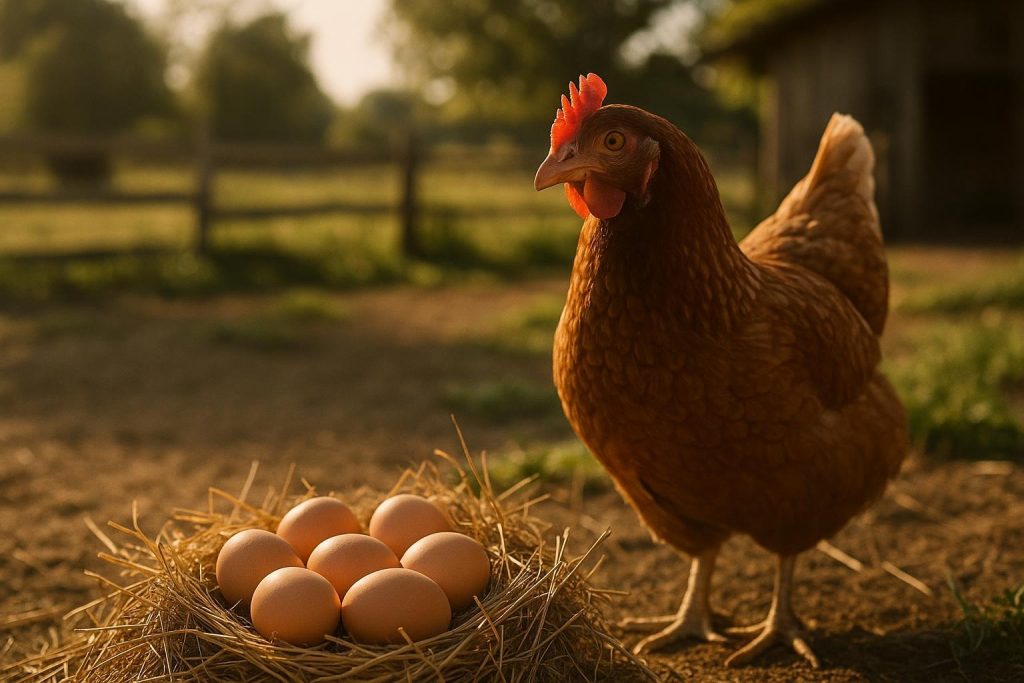
Key Factors That Influence Chicken Egg Production
Chickens are a fundamental part of many farms worldwide, prized for their ability to produce a versatile and nutritious food source: eggs. However, maintaining consistent and high-quality egg production is not always straightforward. Various factors come into play, influencing not just how many eggs a hen lays but also the quality and nutritional value of those eggs. From a hen’s breed and age to the type of feed provided, environment, and overall management practices, many elements can affect your flock’s output. This comprehensive guide will explore these factors to help you gain a deeper understanding of what impacts chicken egg production and how to optimize it.
1. Breed and Age of the Hen
The genetic background of a chicken is one of the most significant factors determining egg production. Not all chicken breeds have the same laying potential. Some are bred as layers, known for their ability to produce eggs consistently, while others may be dual-purpose or primarily meat-oriented birds.
Additionally, age plays a vital role in how frequently hens lay. In general, pullets (young hens) begin laying consistently around 18 to 20 weeks of age, depending on the breed. Egg production typically ramps up during a hen’s first year, hitting a peak in the initial laying cycles. As time progresses, the rate may gradually decline. While many hens continue laying into older age, the frequency often decreases, and egg size or shell quality may be affected. Monitoring your flock’s age structure and planning for replacements or rotations can help maintain a steady flow of eggs.
2. Nutrition and Feed Quality
Nutrition is the cornerstone of healthy, productive hens. Birds require a balanced diet that contains protein, carbohydrates, fats, vitamins, and minerals. A good-quality layer feed often includes the right proportions of these nutrients, but additional environmental and physiological factors can change how effective a feed is. For example, extreme cold or heat can alter a hen’s nutritional requirements. Here are some of the general nutritional considerations:
- Protein Levels: Layers need adequate protein to support both muscle maintenance and egg formation. Protein deficiency can lead to reduced egg production and subpar egg quality.
- Calcium: Calcium is vital for shell formation. Lack of calcium can result in weak or thin shells. Many layer feeds contain a supplement like oyster shells to ensure ample calcium intake.
- Vitamins and Minerals: Micronutrients, including vitamin D3, phosphorus, and various trace minerals, are crucial for strong eggshells, optimal health, and consistent laying cycles.
- Fats and Omega-3s: Incorporating balanced fats can enhance palatability, boost overall energy levels, and help maintain healthy body condition. Omega-3 supplementation has gained attention for its potential to improve the nutritional profile of eggs, elevating beneficial fatty acids that get transferred to consumers as well.
Digestibility and feed conversion ratio also play significant roles. The more efficiently hens convert feed to energy and nutrients, the better their egg production tends to be. High-quality feed additives can enhance bioavailability of nutrients, supporting a range of benefits from stronger eggshells to improved immune function. This is especially important if you operate in regions with varying feed ingredient quality.
Some farmers have found success integrating specialized Omega-3 feed additives formulated for poultry. For example, a product like AviMeg offers stable, highly digestible fats that can seamlessly blend into your existing feeding program. These types of additives aim to reinforce the overall nutritional profile of the diet, supporting robust egg production and quality. Learn more about AviMeg here if you’re looking for specific Omega-3 solutions designed for poultry.
3. Environmental Conditions
A hen’s immediate environment shapes her well-being and productivity. Stressful or uncomfortable living conditions can drastically reduce egg numbers and weaken shell quality. Important factors include:
- Temperature: Chickens thrive in a moderate temperature range, usually around 55–75°F (13–24°C). Extremes above or below this window can cause stress, which often results in reduced laying rates. In harsh winters, ensure your coop is adequately insulated. In hot summers, provide sufficient ventilation and shade.
- Ventilation and Air Quality: Poor air quality or high ammonia levels in the coop can lead to respiratory issues and hinder a bird’s ability to lay consistently. Maintaining proper airflow reduces bacterial and fungal buildup while keeping hens comfortable.
- Lighting: The average hen requires about 14 to 16 hours of light daily to maintain peak laying. When daylight hours shorten in winter, production often drops. You can supplement their light source with artificial illumination, but do so systematically to avoid sudden changes in the flock’s daily rhythm. Abrupt disruptions can lead to stress, potentially impacting egg output.
- Space and Stocking Density: Overcrowding increases competition for feed, water, and nesting boxes. Stress and aggressive behaviors can emerge, leading to irregular laying and possible physical harm to birds.
4. Health and Disease Management
Proteins, minerals, and energy must first go toward immune function and bodily maintenance before they are allocated for egg formation. Consequently, hens battling infections or diseases will typically see a drop-off in production. Proactive health management involves:
- Regular Veterinary Check-Ups: Partner with a veterinarian to stay current on poultry vaccinations, deworming schedules, and disease prevention protocols.
- Biosecurity Measures: Prevent external pathogens from entering the flock by restricting access, sanitizing equipment, and isolating new arrivals until you confirm their disease status.
- Clean, Dry Conditions: A sanitary environment reduces the likelihood of harmful bacteria, parasites, and other disease vectors. Damp bedding or stagnant water can promote the growth of pathogens.
- Nutritional Support: Using supplements that strengthen immune health can help keep your flock resilient. In scenarios where birds are immunocompromised, easily digestible, nutrient-rich feed additions may play a role in faster recovery and maintained egg production.
5. Stress Factors and Behavioral Considerations
Chickens, like all animals, are susceptible to stress. Disruptions in their environment—introducing new flock members, abrupt dietary changes, strong noises, or frequent predator sightings—can disrupt laying patterns. Common stressors include:
- Relocation: Moving hens to a new coop or changing their routine can confuse them, often resulting in a temporary dip in egg numbers.
- Loud Noises or Predators: Loud machinery, barking dogs, or regular predator activity (like foxes pacing around the perimeter) can trigger anxiety in the flock.
- Inconsistent Feeding or Lighting Schedules: Hens are creatures of habit and do best with consistency. Regular timing for feeding, lighting, and even collection of eggs helps maintain a stable laying cycle.
- Pecking Order Disputes: Overcrowding or lack of enough resources often leads to bullying and aggression among hens. Providing sufficient feed trough space, waterers, and nest boxes can mitigate these disputes.
6. Molting Periods
Molting is a natural process that typically occurs once a year, during which hens lose old feathers and grow new ones. This rejuvenation process uses a considerable amount of the bird’s energy. During molting, laying usually slows down or stops entirely for several weeks or months. While molting is inevitable, ensuring balanced nutrition and minimal stress around this time can help your chickens recover more quickly and resume normal production.
7. Seasonal Shifts and Light Cycles
As mentioned, daylight length is crucial for egg production. When daylight is reduced in fall and winter, egg production can drop dramatically—especially in parts of the world where daylight hours are significantly compressed. Some small-scale farmers allow hens to follow natural cycles, which can mean a decline in eggs during winter months. Commercial operations often rely on artificial lighting for 14–16 hours each day to boost year-round consistency. If you choose artificial lighting, make sure the transition is gradual. Sudden changes in the light cycle can induce stress and negatively affect laying.
8. Impact of Omega-3 Supplements on Egg Quality
Technological advancements in poultry nutrition have placed increasing emphasis on Omega-3 enriched supplementation. Hens fed with Omega-3 fats can produce eggs with higher Omega-3 content, which can be beneficial to consumers’ health. These enriched eggs also tend to have strong, resilient shells, thanks to improved fat digestibility and nutrient utilization. Some specialized feed additives blend these nutrients with stabilizers in a way that enhances bioavailability, meaning the birds can better absorb and use the nutrients.
Why is this relevant to poultry keepers seeking better productivity or a more profitable product? First, Omega-3 dense eggs often command a premium in specific markets, and second, a well-balanced feed blend can support robust hen fertility and strong immune systems. To explore some of these specialized Omega-3 feed additives for poultry, you can look into products such as AviMeg, which is designed with palatability and stability in mind to fit seamlessly into various feeding programs.
9. Water Availability
Eggs are composed of about 75 percent water, so it should come as no surprise that consistent access to clean, fresh water is vital. Hens that are even slightly dehydrated will often reduce their egg output. In hot weather, water consumption can spike, meaning you’ll need to check and replenish waterers more frequently. Conversely, in colder climates, waterers might freeze over. Using heated waterers, or insulating them, can prevent ice buildup and allow for continuous water availability throughout the day.
10. Maintaining Consistency and Monitoring Performance
Keeping accurate records is one of the best methods to understand and optimize your flock’s performance. This includes documenting daily egg counts, feed consumption, environmental conditions, and any observed health issues. By noting trends, you’ll better identify which segments of your management plan might need adjustment.
Additionally, regular floor walks and visual flock assessments can reveal day-to-day shifts in behavior, feeding patterns, or the physical health of your birds. Spotting early signs of disease or stress can prevent losses and production slumps. If you notice a drop in egg production that can’t be attributed to seasonal or normal life-stage factors, consider investigating dietary composition, lighting schedules, or possible pest or predator intrusions that might be unsettling your hens.
11. Encouraging Strong Shell Quality
Shell quality is one of the most visible signs of a hen’s health and feed efficacy. Aside from sufficient calcium and vitamin D3, a balanced provision of phosphorus, trace minerals, and proper protein levels fosters sturdy shells. When it comes to feed additives, stabilized fats that feature tailored Omega-3 profiles can improve digestibility, helping birds allocate more nutrients toward shell formation. Moreover, a low-dust, free-flowing feed additive format reduces waste and ensures more consistent delivery of essential fats. This efficiency often translates to improved shell quality, minimizing instances of cracked or misshapen eggs.
12. Practical Tips for Boosting Egg Production
As most poultry keepers have experienced, there is no single magic bullet for maintaining high egg production. Rather, it’s the outcome of several best practices executed consistently over time. Consider the following practical tips:
- Adopt an Optimal Lighting Schedule: Provide around 14–16 hours of light daily. Adjust gradually when implementing artificial light.
- Monitor Weight and Body Condition: Underweight or overweight hens can see decreased laying performance. Adjust feed intake and type as needed.
- Supplement Wisely: Explore feed additives that align with your flock’s needs. If you aim for a premium egg product, Omega-3 supplements may help raise the nutritional profile of the eggs.
- Minimize Stress: Keep routines consistent, reduce loud noises, and maintain a stable pecking order to help hens stay calm.
- Provide Clean Nest Boxes: Hens prefer to lay in clean, comfortable spaces. This not only supports better egg quality but also reduces the risk of contamination.
13. Planning for Future Success
Once you understand the varied influences on egg production—from a hen’s genetics to environment, nutrition, and stress management—you can adapt accordingly to optimize your operation. Even minor improvements in feeding programs, housing, and preventative healthcare can lead to measurable gains in both quantity and quality of eggs over time.
For those looking to bolster the nutritional impact of their eggs or shorten the gap between feed input and productive output (i.e., improving feed conversion ratio), high-quality fats with reliable bioavailability can be a worthwhile addition. It’s important to choose supplements that don’t disrupt your overall ration. Given that modern farming methods already juggle a host of requirements, products that are free-flowing, low-dust, and chemical-free can simplify daily routines while elevating your flock’s performance.
In Conclusion
Chicken egg production hinges on a combination of factors. While breed choice and age set the fundamental parameters, the nutrition you offer—and specifically the balance of proteins, minerals, and fat content—provides the building blocks of a productive laying cycle. Environmental stability, particularly with a focus on ventilation, temperature, and lighting, can make all the difference between a stressed flock and one thriving with consistent output. Meanwhile, preventive health management and stress reduction go a long way toward safeguarding the gains you’ve made.
If you’re pursuing enhancements in egg quality or quantity, investigate how Omega-3 supplementation and specialized feed additives might fit into your current plan. Keeping meticulous records, addressing potential stressors swiftly, and ensuring continuous access to fresh water often bring the best results. With the right combination of care, nutrition, and management, you’ll set your hens up for success—providing abundant, high-quality eggs and a stable, sustainable operation.