
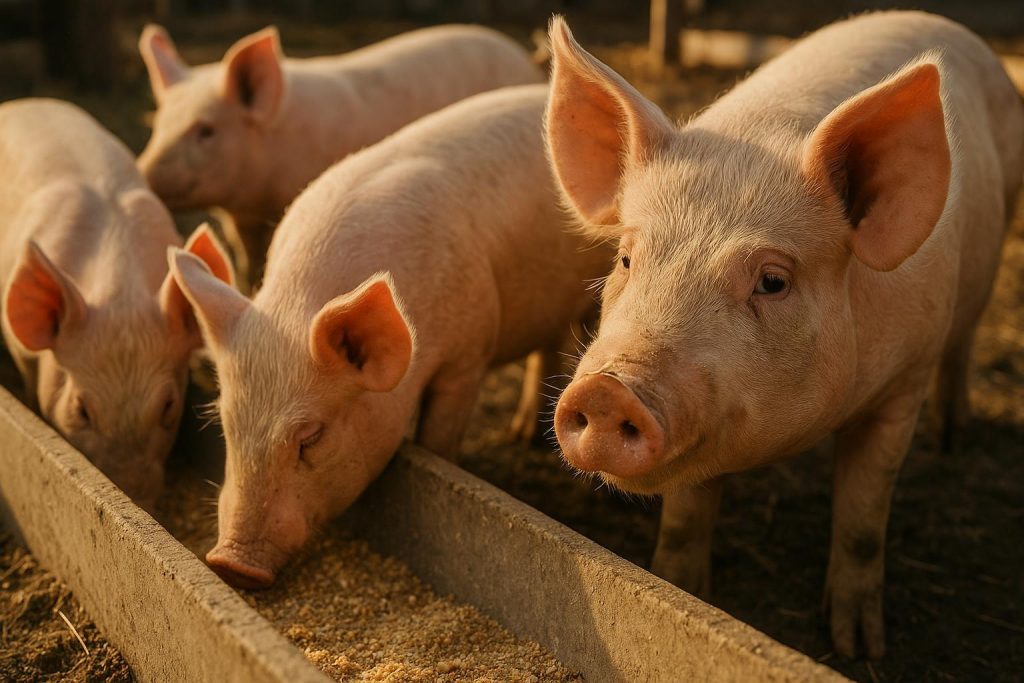
Empowering Swine Performance with Omega-3 Enriched Supplements
Across the global livestock sector, producers strive to improve swine performance in ways that boost overall growth, herd health, and profitability. Omega-3 enriched supplements have emerged as a valuable nutritional tool for farmers looking to optimize feed efficiency and support the physiological needs of their pigs—without introducing synthetic additives or disrupting existing feeding programs. By providing a stable, bioavailable source of healthy fats, these supplements can help address a variety of critical challenges, including fertility support, immune stability, and improved feed conversion ratios. In this guide, we explore how Omega-3 enriched supplements can benefit swine operations and what to consider when integrating them into a feeding strategy.
Why Omega-3s Matter for Swine
Omega-3 fatty acids are long-chain polyunsaturated fats known to play a critical role in a variety of biological processes. The three main Omega-3s are alpha-linolenic acid (ALA), eicosapentaenoic acid (EPA), and docosahexaenoic acid (DHA). Although swine can synthesize certain fatty acids, their capacity to produce sufficient levels of EPA and DHA from ALA is limited, making supplementation an effective strategy for delivering these essential nutrients in high enough quantities.
When pigs receive adequate Omega-3s, multiple areas of their health can improve simultaneously, including:
- Fertility and Reproduction: Sow productivity is often linked to reproductive success, which relies heavily on proper nutritional intake. With Omega-3 supplementation, many producers notice enhanced sow fertility, reduced stillbirths, and more robust litters.
- Immune Response: Pigs with a balanced Omega-3 to Omega-6 ratio often exhibit stronger immune profiles, potentially decreasing the incidence of infections and supporting improved recovery rates. Omega-3s help regulate inflammatory responses in the body, creating a healthier baseline for overall swine well-being.
- Feed Efficiency: Modern swine producers watch feed costs closely. High-quality Omega-3 supplements can help promote better feed conversion ratios by supporting improved nutrient utilization in pigs and potentially aiding in weight gain without increasing feed intake.
- Meat Quality: Consumers increasingly look for lean, high-quality pork. The presence of Omega-3 fatty acids in pork products can help meet contemporary consumer demands for healthier meat, further enhancing a farm’s marketability.
Key Challenges in Swine Nutrition
Pigs have relatively high energy demands, especially during growth and reproductive stages. Many producers rely on energy-dense inputs such as corn, soy, and other carbohydrate-rich feeds. While these feeds deliver needed calories, they sometimes come up short in delivering various essential fatty acids. This imbalance is particularly critical in breeding herds and fast-growing pigs, where nutrient deficiencies may cause:
- Reduced sow fertility or smaller litter sizes
- Poor growth rates and suboptimal feed conversion
- Weakened immune responses, allowing diseases easier entry
- Lower overall carcass quality and decreased consumer appeal
Producers often worry that adding specialized supplements will complicate feed regimens. However, modern Omega-3 enriched solutions are designed to blend seamlessly into existing rations. Applied consistently, they can help swine producers overcome common performance bottlenecks while reinforcing the herd’s resilience to diet-related risks.
The Role of Digestion and Bioavailability
Digestibility is a vital aspect of swine nutrition. If additives aren’t absorbed efficiently, they offer limited benefits. Bioavailability refers to how easily nutrients can be digested and utilized by an animal’s body. High-quality Omega-3 supplements are crafted to maximize bioavailability, ensuring pigs reap the full rewards of these fats. In practical terms, supplements with good bioavailability can:
- Help reduce feed waste tied to poorly absorbed ingredients
- Promote steady weight gain and lean tissue development
- Support the overall efficiency of a swine operation, lowering the cost per pound of weight gain
Physical product forms also matter. Some Omega-3 supplements arrive in a free-flowing or low-dust format, making them easier to handle in larger feed mills and on-farm mixing systems. A stable supplement with good consistency is essential for thorough mixing, consistent consumption, and accurate dosing—key elements of success for any swine feeding program.
Enhancing Fertility and Litter Performance
Fertility is a core focus for swine producers, particularly in sow barns and farrowing units. Sows endure tremendous metabolic stress during pregnancy and lactation, and insufficient nutrient intake can compromise reproductive performance. Omega-3 enriched supplements can support sow body condition and reduce the risk of detrimental inflammatory responses, potentially leading to:
- Stronger estrus cycles and more consistent farrowing intervals
- Increased embryo survival rates in early gestation
- Improved litter uniformity and birth weight
- Greater milk quality, resulting in healthier piglets post-weaning
These factors are critical for maintaining robust herd genetics and ensuring sows have the resources needed to raise healthy, viable litters. Furthermore, because Omega-3s are naturally transferred to the fetus and then through milk, piglets can benefit from the supplement before and after birth.
Naturally Supporting Immune Health
Swine diseases can cause production shortfalls and financial stress. Pigs commonly raised in high-density operations risk pathogen exposure. Omega-3’s anti-inflammatory properties can help moderate excessive inflammation, which may reduce secondary health complications in the herd. A well-nourished pig stands a better chance of resisting infections and recovering quickly if ill. Providing the right balance of nutrients, including Omega-3 fatty acids, is a proactive nutritional approach that can pay dividends in safer, more resilient swine production.
Improving Feed Conversion Ratios
Feed conversion ratio (FCR) is a standard way to measure how effectively an animal converts feed into body mass. A lower FCR means less feed is used per pound of weight gain, which translates directly into greater cost-efficiency for producers. By supporting overall metabolic processes, Omega-3 supplements can help optimize nutrient utilization, keeping feed conversion ratios in check. This benefit is especially important for finishing pigs, where increased weight gain can strain feed budgets if not managed carefully.
At certain stages, finishing pigs gain weight rapidly. Incorporating a bioavailable Omega-3 source can smooth out that rapid growth and assist in maintaining consistent daily gains. When combined with correct protein levels, these supplements contribute to healthy muscle development rather than excessive fat deposition, leading to leaner, higher-grade carcasses and reinforcing a producer’s competitive edge.
Stability, Safety, and Ease of Handling
One of the most common objections to adding fat-based supplements is fear of spoilage or handling difficulties. Traditional fats can quickly degrade, invite mold growth, or contribute to dustiness. Many modern Omega-3 supplements, however, use proprietary stabilization processes that keep the product fresh without the need for chemical stabilizers. This creates a low-dust, highly stable form that’s simpler to store and mix. Producers no longer need to worry about lumps or rancidity under typical farm conditions, and the consistent dosing ensures each pig receives the correct nutrition on a daily basis.
When selecting a supplement, verify whether it meets rigorous safety guidelines such as HACCP certification. A production facility that adheres to strong quality protocols can ensure each batch is consistent and traceable—a major benefit for producers who value transparency in their supply chain. The result is an Omega-3 source that does not require mold inhibitors, extraneous chemicals, or advanced storage steps, keeping farm operations streamlined and free from hazardous additives.
Practical Tips for Incorporating Omega-3 Supplements
Pigs are creatures of habit and may notice if feed textures change suddenly. When introducing supplements, do so gradually and ensure that each ration run is blended thoroughly. A few tips:
- Start Slowly: Begin by adding a small percentage of the recommended inclusion rate, then increase over one or two weeks to help pigs adapt smoothly.
- Monitor Intake: While Omega-3s typically improve palatability, always keep an eye on how eagerly pigs consume rations. Adjust if you see any differences in feed consumption.
- Leverage Expert Guidance: Collaborate with nutritionists or animal health specialists to optimize dosage. Personalized adjustments can make a significant difference, especially for sows and high-value genetics.
- Check Product Compatibility: Some products, such as LipiGain, are designed for easy integration, ensuring that even at higher inclusion levels, the feed remains stable, low in dust, and easy for pigs to consume.
Measurable Results and Producer Feedback
Farmers around the world who have adopted Omega-3 supplementation commonly report the following outcomes:
- Higher Weaning Weights: Stronger piglets with early growth advantages
- Consistent Body Condition in Sows: Balanced nutritional intake prevents extreme weight fluctuations
- Improved Health Outcomes: Fewer disease outbreaks, although good biosecurity practices remain essential
- Reduced Cull Rates: Healthier hooves, improved fertility, and enhanced immune support often translate to fewer early culls
While results can vary depending on genetics, management practices, and other nutritional factors, research in swine nutrition increasingly highlights the merits of Omega-3 supplementation. This is especially relevant in large-scale operations seeking data-driven methods for continuous improvement.
Contributing to Consumer Demand
As the market shifts toward more health-focused buying habits, consumers now pay attention to the nutrient profile of pork products. Retailers and processors often reward operations that deliver high-quality meat with consistent marbling, reduced fat oxidation, and elevated nutritional content. Omega-3 supplementation not only supports the health and productivity of pigs but can also raise the Omega-3 levels in the final pork product. This potential improvement in meat quality offers a marketing advantage for value-added programs that cater to health-conscious consumers.
Conclusion: Boost Swine Performance the Natural Way
Overall, Omega-3 enriched supplements present a strategic opportunity for producers who want to enhance their swine operation’s efficiency, fertility, and meat quality. These supplements can be particularly valuable for sows and finishing pigs, two segments that require precise nutrient support to thrive. By providing a stable, dry, and highly digestible source of Omega-3 fatty acids, modern feed additives offer measurable benefits without the need for chemicals or mold inhibitors.
Whether you’re a large-scale operation aiming to improve feed conversion or a smaller farm looking to strengthen herd health, Omega-3 enriched supplements represent a meaningful investment. Remember to start slowly, work with nutrition experts when possible, and select a product backed by solid quality protocols such as HACCP certification. With careful management, you can elevate swine performance and profitability—naturally, and without drastically altering your established feeding program.
When it comes to meeting the latest demands in animal nutrition and consumer-driven quality, these Omega-3 solutions are poised to offer a real edge. By focusing on bioavailability, animal well-being, and consistent results, producers can confidently incorporate Omega-3 supplements into their routine, helping unlock new potential for swine performance.