
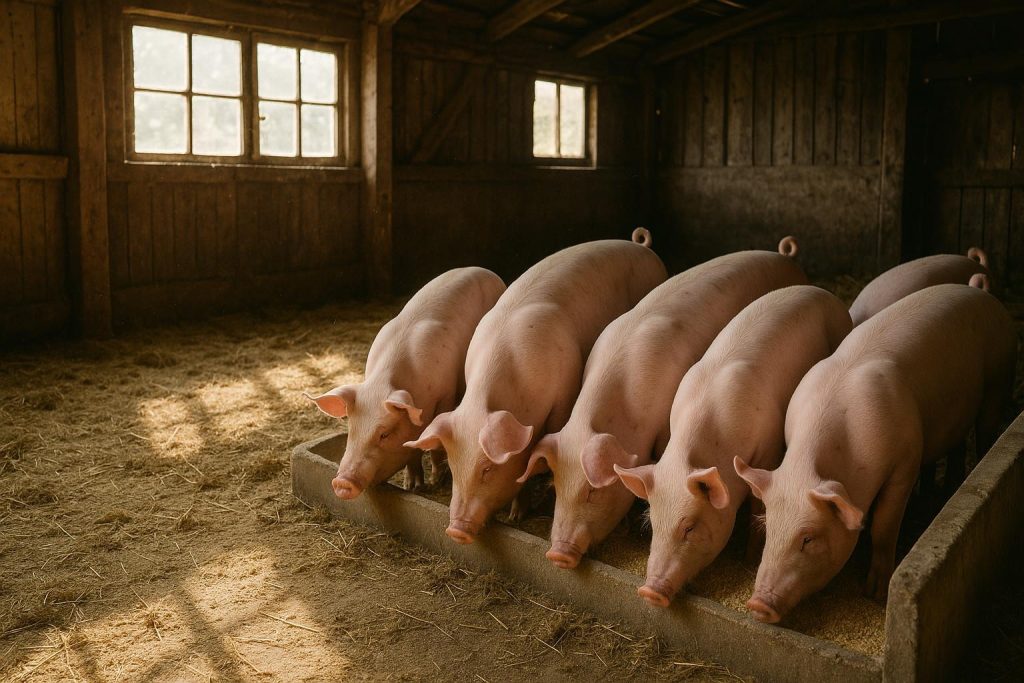
Ensuring Smooth Transitions for Pigs With Mineral Feed Blends
From the moment piglets begin weaning to the final finishing phase, pigs experience a series of growth stages that each impose unique nutritional demands on their developing bodies. One often-overlooked yet crucial aspect of supporting healthy swine development is the careful management of dietary minerals. By incorporating balanced mineral feed blends into a pig’s ration, producers can help smooth out these transitional phases, reducing stress on young animals, promoting resilient immune systems, and guiding them toward efficient weight gain. This article explores how mineral feed blends play a role in helping pigs transition between growth stages and highlights best practices for integrating these supplements effectively.
Understanding the Importance of Minerals in a Pig’s Diet
Minerals are essential micronutrients that pigs require for many physiological processes, including skeletal growth, muscle formation, metabolic functions, and enzyme activity. Unlike macronutrients such as proteins and fats, minerals are needed only in small quantities, yet their impact on overall animal performance is enormous. A deficiency in any key mineral—whether calcium, phosphorus, magnesium, or trace minerals like zinc—can lead to developmental delays, poor feed conversion ratios, reduced immunity, and increased risk of disease. On the other hand, providing too many minerals or in unbalanced proportions can cause other complications, from organ stress to limited nutrient absorption.
Balancing mineral formulas is, therefore, a delicate act. The right ratio of minerals supports optimum growth and robust immune systems, resulting in pigs that thrive from weaning to finishing. By offering pigs a dedicated mineral feed blend, producers can ensure that each stage of development is covered without having to make major overhauls to a base diet beyond basic adjustments in protein and energy sources.
Weaning Stage: Building a Strong Foundation
The weaning stage is one of the most delicate transition phases in a young pig’s life. Piglets transitioning from sow’s milk to solid feed can experience stress, digestive upset, and increased susceptibility to health challenges. Providing a tailored mineral feed blend at this stage helps piglets combat these obstacles by:
- Supporting Bone Development: Optimal ratios of calcium and phosphorus are vital for building strong, resilient bones. Early attention to bone health can help minimize skeletal issues later in life.
- Reducing Nutritional Stress: The shift to solid feed places new nutritional demands on a piglet’s digestive system. Balanced minerals reduce stress by ensuring piglets have the raw materials to develop properly.
- Boosting Immune Function: Trace minerals such as zinc and selenium play key roles in immune response. Ensuring piglets receive enough of these micronutrients fosters improved resistance against common illnesses.
A well-crafted mineral feed blend—which may include chelated minerals for improved bioavailability—lays the basis for a healthy gut environment and steady weight gain. This results in piglets that are more resilient through what could otherwise be a disruptive phase of their early development.
Grower Stage: Meeting Rapid Growth Demands
Once piglets have successfully transitioned to a consistent solid feed regimen, they move into the grower stage. During this period, pigs grow quickly, increasing their body weight and muscle mass at a rapid rate. This accelerated growth places higher demands on key minerals, particularly phosphorus, which supports skeletal integrity and muscle formation. Calcium, magnesium, and potassium also become more important for maintaining bone density, nerve function, and muscle contractions.
Employing a mineral feed blend that takes these heightened requirements into account allows producers to maintain healthy weight gain and feed efficiency. For instance, zinc is critical for tissue repair and growth, while copper contributes to healthy metabolism and red blood cell production. By matching these needs with precise mineral supplementation, farmers can reduce the risk of deficits that could slow growth, compromise immune status, or create metabolic bottlenecks.
Another benefit of a well-balanced mineral blend during this stage is consistent feed conversion. Pigs that have their mineral needs met often make better use of consumed calories, transforming feed into lean meat rather than excess fat. This efficiency boosts profitability and can help producers stay competitive in the marketplace.
Finisher Stage: Maximizing Muscle and Carcass Quality
As pigs near market weight, their nutritional requirements shift once again. The finishing phase is all about refining carcass quality, ensuring robust muscle development, and maintaining strong health markers right up to processing. Calcium-to-phosphorus ratios remain critical at this juncture, as do trace minerals like selenium, copper, and manganese, which help sustain muscle function and overall metabolic efficiency.
Under-supplying or overlooking mineral balance in the finisher stage can lead to several issues, including reduced carcass yield and compromised muscle-to-fat ratios. Conversely, a targeted mineral feed blend allows producers to fine-tune muscle deposition while keeping any deficiency-related health problems at bay. Keeping the calcium-to-phosphorus ratio in check helps lessen the incidence of lameness or skeletal injuries, both of which can reduce final returns if they become widespread in the herd.
Beyond skeletal health, finishing pigs also require adequate antioxidant support to handle metabolic pressures. Minerals such as selenium help protect cells from oxidative damage, aiding overall resilience. This means that finishing pigs have an optimal path toward higher meat quality, often translating into a more profitable end product for the producer.
Choosing the Right Mineral Ratios
Designing an effective mineral feed blend for each swine growth stage begins with a deep understanding of the pig’s physiology and nutrient demands. Producers or nutritionists often perform feed analyses to see if current rations meet or fall short on minerals. Key steps in formulating the right mix include:
- Analyzing Current Diets: Understanding the mineral profile of existing feed ingredients—especially grain-based diets—helps in identifying which minerals need to be supplemented.
- Determining Stage-Specific Needs: Each pig growth phase has unique mineral demands. Weaners and growers may require more phosphorus, while finishing pigs need a precise calcium-to-phosphorus ratio to optimize muscle development.
- Ensuring Trace Mineral Availability: Zinc, iron, copper, selenium, and manganese all serve vital roles in immunity, blood health, and energy metabolism. The form in which these trace minerals are provided (e.g., inorganic vs. chelated) can significantly affect how well pigs utilize them.
- Testing and Adjustment: It is wise to review performance data and check for any signs of deficiency or imbalance. Minor formula adjustments can often resolve issues before they significantly impact herd health or productivity.
Combining Minerals With Fat Supplements for Optimal Nutrition
While a balanced mineral component is essential, it works best in synergy with other dietary elements. Energy sources, in particular, can make or break pig performance. Digestible fats not only provide an energy-dense option but may also enhance the absorption of fat-soluble vitamins and certain minerals.
Many producers incorporate ProMeg Express, a fat-based supplement, to supply concentrated energy while improving palatability. For swine-specific formulations, products like LipiPro can complement a well-structured mineral plan, aligning with pigs’ energy needs during high-growth stages. By combining these specialized fat supplements with mineral feed blends, producers can deliver a more complete and efficient diet. This approach helps minimize the risk of underperformance and fosters a healthier, more robust herd that is prepared for each transition phase.
Preventing Common Health Issues Through Mineral Management
One of the greatest advantages of a strategic mineral approach is the potential to head off problems before they become severe. A few areas where effective mineral supplementation can make a significant impact include:
- Joint and Bone Disorders: Insufficient calcium or phosphorus, particularly during intense growth phases, can lead to compromised skeletal structures and joint disorders.
- Immune System Weakness: Low levels of zinc, selenium, or other trace minerals can leave pigs more vulnerable to infections and illnesses, leading to increased veterinary costs.
- Poor Digestive Health: The right blend of macro and trace minerals aids enzyme activity and gut health, reducing incidents of diarrhea and malabsorption, especially during weaning.
- Metabolic Stress: Minerals like magnesium help manage stress responses, while antioxidants such as selenium combat oxidative damage during high-demand periods.
By being proactive rather than reactive, producers can greatly reduce the risk of potentially costly health and production setbacks. This creates a more stable environment for animals, where they can focus their energy on productive growth rather than trying to overcome nutritional gaps.
Evaluating Success: Feed Conversion Ratio and Performance Data
Producers often assess whether an approach to mineral supplementation is working by looking at performance indicators such as average daily gain (ADG), feed conversion ratio (FCR), and overall herd health. A positive trend in these metrics typically signals that the chosen mineral feed blend is well-targeted. Monitoring growth curves, feed intake, and incidence of health problems over a feeding cycle provides tangible data that can be used to fine-tune future rations.
Keep in mind that even small deficiencies in certain minerals may not manifest immediately. Subclinical signs could show up only when animals are put under stress, such as during poor weather conditions, transitions to new housing, or changes in feed components. Therefore, producers who track data frequently and remain vigilant can catch mineral-related issues early.
Cross-Species Considerations and Additional Resources
While this discussion focuses on pigs, mineral feed blends are also essential for various other livestock and even aquaculture. Each species has its own unique nutrient priorities, and balancing minerals is equally critical across the board. If you are interested in learning about optimizing mineral blends for monogastric animals beyond pigs, you may find more in the FAQ on which minerals are most essential in feed blends for monogastric animals. Similarly, those managing cattle or other ruminants may benefit from exploring resources that address feed conversion ratios under different dietary regimens. For instance, the FAQ on mineral feed blends and improving the feed conversion ratio in ruminants offers insights applicable to multi-species operations.
Best Practices for Long-Term Swine Nutrition
Developing a well-rounded nutrition plan anchored by balanced mineral feed blends can help ensure a smooth journey from weaning to finishing. For the best results, keep these core principles in mind:
- Routine Evaluations: Continuously scan for signs of mineral deficiencies or excesses, and adjust diets accordingly.
- Focus on Bioavailability: Investigate how different forms of minerals (inorganic vs. organic or chelated) influence absorption in pigs.
- Synergy with Energy Sources: Combine high-quality fat supplements with your mineral blends to enhance overall nutrient uptake and meet energy demands at each stage.
- Collaborate with Experts: Partner with nutritionists, veterinarians, or feed specialists to tailor mineral feeds to herd-specific conditions, such as genetics, housing, temperature, and disease pressure.
- Data-Driven Adjustments: Track performance indicators like ADG and FCR over time to inform your mineral supplementation strategy.
Conclusion: Laying the Groundwork for Health and Productivity
Every stage of swine growth underscores the importance of mineral balance. By tailoring mineral feed blends to meet pigs’ evolving nutritional requirements, producers can empower their herds to smoothly transition from weaning to finishing with fewer setbacks and healthier overall performance. From steadily building bone density to shoring up immune defenses, balanced mineral supplementation is a foundational strategy that uplifts every other element of a pig’s diet.
Taking a proactive, informed approach to mineral supplementation can also make a tangible difference in operational outcomes. Efficient feed usage, stable gains, and minimized health issues all contribute to an improved bottom line. By combining these feed blends with high-quality fat-based supplements and routine performance assessments, producers set the stage for strong and profitable livestock. Ultimately, focusing on comprehensive mineral nutrition is about ensuring that each pig, at every stage, has the resources needed to thrive.