
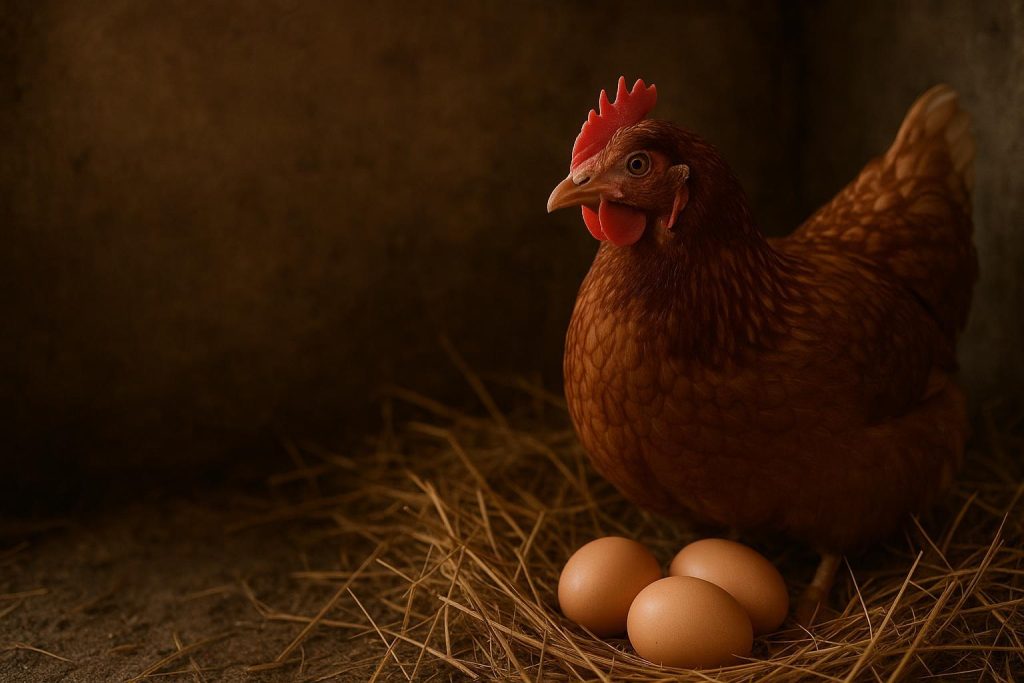
The Importance of Natural Poultry Supplements in Building Stronger Eggshells
Poultry producers—whether they operate large-scale farms or smaller homesteads—often recognize that healthy, productive birds don’t just happen by chance. One critical factor in maintaining consistent, high-quality egg production is the formation of strong, resilient eggshells. While most people attribute eggshell strength to adequate calcium intake, there’s actually a more nuanced interplay of nutrients at work. In particular, Omega-3 enriched, all-natural poultry supplements can support stronger shells by improving several key aspects of avian health. From digestibility and feed conversion ratio to bioavailability of vital nutrients, a well-formulated supplement can make a considerable difference in both shell quality and overall flock vitality.
Why Eggshell Strength Matters
It’s easy to underestimate the significance of strong eggshells until you encounter problems such as cracks, thin shells, or unusually fragile eggs. Not only do these issues cause product losses, but they’re also indicators that the laying hens may not be receiving the optimum balance of nutrients. Eggshell strength isn’t merely cosmetic—it is deeply tied to the bird’s health and the nutritional profile of the finished egg. Shells that are overly thin or brittle can:
- Lead to Elevated Breakage Rates: Higher breakage means less marketable product and more cleaning and sanitizing efforts in the laying facility.
- Signal Deficiencies: Thin shells can be a sign of sub-optimal mineral balance, especially in calcium or phosphorus. They can also point to broader problems with nutrient absorption.
- Reduce Profitability: Damaged eggs drive up production costs and can impact the farm’s bottom line if not quickly addressed.
The underlying message is clear: supporting strong eggshell formation is critical for maintaining healthy birds and optimizing profitability.
The Role of Nutritional Balance in Eggshell Formation
Eggshells are composed primarily of calcium carbonate, so it’s no surprise that meeting a hen’s calcium requirement is crucial. However, mineral intake alone does not tell the whole story. The bird must efficiently metabolize calcium and incorporate it into the eggshell-making process in the shell gland. This complex pathway requires more than just calcium—phosphorus, vitamin D, and an ideal overall feed conversion ratio also play essential roles. Even with a sufficient calcium source, if birds lack adequate fat digestion or have poor nutrient absorption, their bodies won’t be able to effectively utilize the diet’s minerals.
This is where all-natural poultry supplements can make a lasting impact. By delivering Omega-3 fatty acids through a palatable, digestible format, these supplements help support the bird’s overall metabolic functions, including calcium utilization. A well-rounded product can also enhance feed intake, promote better feed efficiency, and help maintain a stable gut environment in birds.
How Omega-3 Fats Influence Eggshell Strength
Omega-3 fatty acids are most typically associated with cardiovascular benefits in humans, but they can also yield remarkable advantages in poultry. These fatty acids are involved in numerous physiological functions—everything from maintaining a bird’s immune system resilience to aiding in the absorption of fat-soluble vitamins, which in turn supports better bone mineralization and shell development. The benefits of Omega-3 supplementation include:
- Enhancing Nutrient Bioavailability: Fats emulsify nutrients in the digestive tract and accelerate how those nutrients are absorbed. This can directly influence how swiftly and efficiently a laying hen draws upon dietary minerals to build strong eggshells.
- Supporting Hormonal Balance: Hens require a healthy endocrine system to lay consistently. Omega-3 rich supplements have been linked to optimal hormone balance, thereby facilitating regular egg production and shell formation.
- Improving Immune Health: A bird that’s fighting infection or disease will generally allocate fewer resources to eggshell production. Omega-3 fatty acids support immune resilience, so the hen remains healthier and better able to focus nutrients on shell quality.
Moreover, Omega-3 enriched poultry products often carry added benefits that can include improved feed conversion ratio, reduced feed dust, and an overall more stable feed blend, creating a positive ripple effect across the entire production cycle.
The Bioavailability Advantage
Even the most nutrient-dense formula can’t help if it’s poorly absorbed. The concept of bioavailability—the degree to which nutrients are absorbed and utilized—comes into play strongly here. In essence, supplements designed with better digestibility and an emphasis on high-grade ingredients can help birds make the most of every morsel. Overcoming issues with rancidity or oxidation, which sometimes plague lesser-quality fats, is also crucial. All-natural supplements typically undergo specialized processing methods that stabilize fats without using chemical additives or mold inhibitors. This leads to:
- Improved Stability: A product that remains shelf-stable and free-flowing ensures each bird’s ration is consistent day after day, without the product clumping or deteriorating.
- Consistent Nutrient Profile: When the fats and proteins remain bioavailable, you’re not wasting feed resources, and the birds get a constant, reliable source of Omega-3s.
- Fewer Digestive Issues: Less risk of rancid or unstable fat means the birds are less prone to digestive disturbances, which can impede nutrient uptake.
Bioavailability ultimately ensures that the calcium, phosphorus, and trace minerals allocated toward shell formation are utilized at peak efficiency. When layering hens receive a balanced diet complemented by easily digestible fats, they can direct those nutrients into building a robust shell structure, day in and day out.
All-Natural Versus Synthetic Approach
A key distinction in the market is whether a feed supplement uses all-natural or synthetic components. Synthetic additives, or those requiring chemical stabilizers, may achieve certain nutrient profile claims. However, these often compromise other considerations, such as flavor, ease of integration, and overall sustainability. In contrast, all-natural poultry supplements often harness naturally occurring sources of Omega-3s—like oilseeds—that are processed without unnecessary chemical treatments. This minimal processing helps preserve the nutritional value of the fats and proteins, improving not only shell quality but also the overall well-being of the birds.
All-natural supplements align with a growing consumer demand for cleaner, more transparent food chains. Producers increasingly get asked about how animals are raised and what their diets include. Providing a verifiably natural, stable, and repository-rich source of Omega-3s can thus be an appealing story for both small farmers and large-scale commercial operations.
The Connection to Hen Welfare and Longevity
Any conversation about eggshell quality isn’t just about ensuring the egg is protected and marketable. It also reflects the sustained welfare of the bird. A hen forced to constantly produce thin shells because it’s short of nutrients may face bone demineralization (osteoporosis in poultry), as the bird draws upon skeletal reserves for calcium. This can lead to poor posture, mobility issues, and decreased longevity. By meeting the bird’s nutritional needs—and specifically reinforcing the supply of Omega-3s—producers can support stronger spines, healthier bones, and less stress on a hen’s overall physiology.
A well-nourished bird remains more active, exhibits better feed consumption patterns, and typically has fewer episodes of illness or downtime. Consequently, the longevity of a laying hen can improve, helping producers maintain more stable flocks over time.
Thinking Beyond Calcium and Protein
When discussing robust eggshell formation, it’s imperative to realize that multiple nutrients are at play: not just calcium and protein, but also fat-soluble vitamins like vitamin D and E, beneficial fatty acids, and trace minerals including zinc and manganese. All-natural poultry supplements often offer more than just singular minerals. They can fortify the entire nutrient matrix required by the bird, boosting the synergy among vitamins, minerals, and fats for better shell integrity.
For instance, some advanced formulations employ specialized techniques in oilseed processing to enhance the ratio of Omega-3 to Omega-6 fatty acids. This improved ratio can help reduce inflammation in poultry, which is beneficial for digestion and immunity. Once the birds assimilate these nutrients more fully, they can better direct resources to the shell gland during egg formation.
Digestibility and Feed Conversion Ratio
A frequent pain point for many farmers is feed waste—or feed that simply doesn’t translate to tangible results like egg mass or stronger shells. The feed conversion ratio (FCR) measures how effectively birds convert feed into desired output, whether that’s egg mass or body weight. When supplements are included primarily to improve shell strength, they also have a ripple effect on the overall feed efficiency of the flock.
If the supplement is working effectively, you might notice:
- Lower FCR: Birds require less total feed per dozen eggs produced because they are digesting and utilizing nutrients more effectively.
- Increased Egg Mass or Production: Because the birds remain healthier and have more metabolic energy, they can devote more resources to egg production without sacrificing shell quality.
- Reduced Mortality: Birds that digest feed more comfortably tend to stay healthier, which also affects productivity and the consistency of egg output.
Practical Tips for Integrating All-Natural Supplements
Integrating a specialized supplement into a poultry feeding program doesn’t have to be difficult. Consider these steps:
- Choose a Trusted Source: Work with a supplier that has a history of producing stable, all-natural products. Confirm that they employ robust safety and quality protocols, such as HACCP certification.
- Opt for Chemical-Free Stabilization: Avoid products that rely on chemical stabilizers or mold inhibitors. A high-quality supplement doesn’t require them, and you’ll avoid the potential negative impacts such additives can have on bird health.
- Monitor Shell Quality: Keep track of your flocks’ eggshell thickness, consistency, and breakage rates before and after introducing the supplement to measure improvement.
- Consult with Nutritionists: If you’re unsure about dosage or potential synergies with your existing feed, bring in a livestock nutritionist. They can guide precise ration formulation based on each flock’s needs.
- Assess Palatability: Birds are more likely to consume feed that’s both appetizing and easy to swallow. A supplement that’s too dusty, rancid, or unpalatable won’t deliver the intended results.
Focus on Sustainability
Sustainable agricultural practices are at the forefront of many farmers’ minds. An all-natural approach enables you to reduce chemical inputs, avoid synthetic stabilizers, and minimize the overall environmental footprint of your operation. This approach also resonates with modern consumers who care about the entire supply chain. By investing in better eggshell strength through nutritional solutions, you’re simultaneously enhancing your birds’ well-being and aligning with broader market trends that demand cleaner, more transparent production methods.
Considering a Specialized Omega-3 Supplement for Poultry
If your primary focus is poultry and you’re looking for an all-natural supplement specifically formulated to optimize eggshell quality, a product geared towards avian systems may be your best option. For example, AviMeg has been designed to support the nutritional needs of birds by providing a highly digestible, Omega-3 enriched fat source. Such specialized solutions can contribute to consistent shell thickness, improved feed efficiency, and a more robust overall health profile in flocks. By focusing on proven, carefully formulated supplements with robust quality control, you can ensure you’re making a sound investment in the longevity of your birds and the consistency of production.
Managing Other Factors That Affect Eggshell Quality
While high-quality, natural supplements are a crucial piece of the puzzle, it’s equally important to consider the following in your broader management program:
- Environmental Factors: Temperature extremes and poor ventilation can stress hens. A stressed bird may shift its energy from shell production to simply maintaining body condition.
- Lighting Programs: Consistent lighting schedules can help regulate egg production cycles, ensuring a stable laying rhythm that complements strong shell formation.
- Flock Health: Vaccination schedules and biosecurity measures positively influence overall bird health, in turn improving nutrient allocation for eggshell building.
- Calcium Particle Size: Using a mix of fine and coarse calcium sources can help prolong calcium availability during the evening hours, when shell deposition mostly occurs.
Combining attentive management strategies with nutritional best practices like Omega-3 supplementation paves the way for best-in-class egg production and reliability.
The Bigger Picture: Quality, Trust, and Profitability
Poultry producers tend to look at how each decision affects both immediate productivity and long-term viability. When consistent shell quality is maintained, farms minimize losses from breakage, reduce contamination risks, and elevate the overall efficiency of their operations. These benefits drive better profits and build trust at multiple stages of the supply chain—whether you’re selling eggs locally or distributing on a larger scale. An all-natural approach flavorably positions you among the growing number of businesses seeking to meet consumer demands for more wholesome, traceable livestock products.
Additionally, strong, resilient shells can help ensure that the interior quality of the egg remains intact, preserving flavor and nutritional value. For consumers, it’s about confidence in the eggs they purchase. For producers, it’s about the reliability and profitability of each layer cycle. Either way, investing in a robust feeding program, including top-tier supplements, simply makes sense.
A Lasting Commitment to Hen Health
At the end of the day, an all-natural poultry supplement’s primary goal is to enhance the well-being and productivity of your birds. Stronger eggshells are a visible manifestation of that deeper improvement in nutrition. Birds that are supported by Omega-3 enriched diets not only produce better shells but also reap the benefits of improved immunity, fertility, and overall resilience. The synergy of these elements is what sets an effective supplement apart from generic options.
Eggshells are a reflection of the complex nutritional world inside a bird’s body. Calcium, vitamins, fats, and proteins must all work in unison for production to meet its full potential. Thus, when you invest in the right kind of all-natural supplements, you’re reinforcing every aspect of that process. Whether you’re a small-scale poultry keeper or operating at commercial levels, it’s wise to focus on the combined value of digestibility, feed conversion ratio, and bioavailability. These are the building blocks of a successful and sustainable poultry enterprise.
By prioritizing an all-natural solution with proven benefits, you make a statement about your commitment to healthier, more productive flocks. The outcome—a farm environment that fosters consistent output, stable profitability, and birds that thrive—creates a lasting advantage well beyond one or two laying cycles. In short, supporting eggshell strength with a balanced, Omega-3 enriched supplement sets the stage for excellence on multiple fronts: from animal welfare and operational efficiency to final product quality that resonates with an increasingly discerning marketplace.