
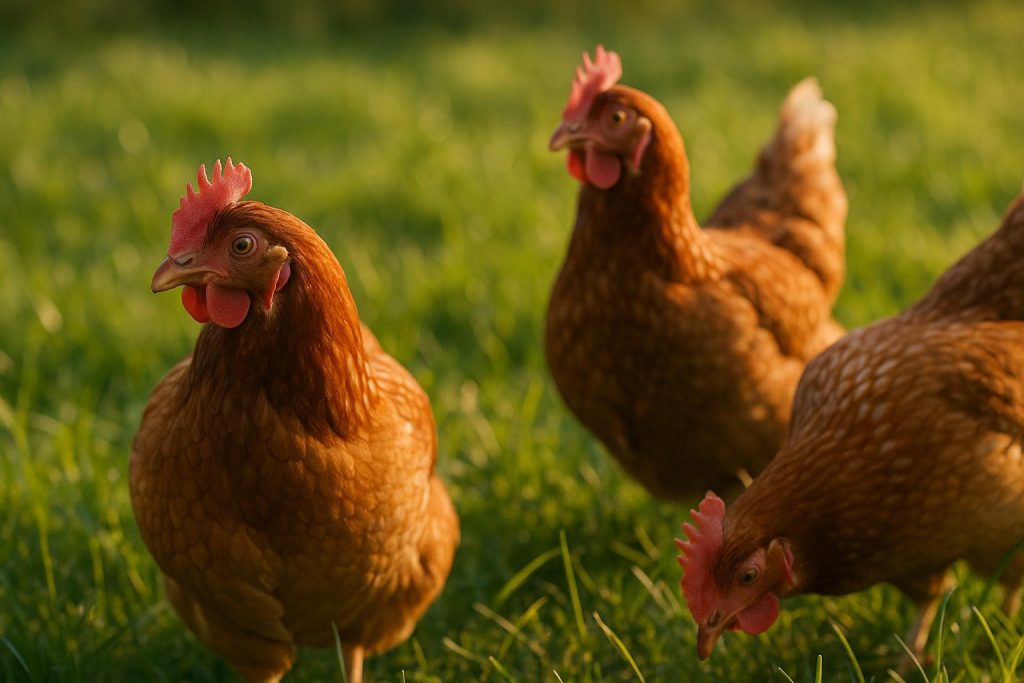
Exploring Poultry Immune Strength and Effective Support
Chickens, like many types of livestock, rely on a well-orchestrated immune system to safeguard their daily health. This defense network wards off threats, from environmental stressors to pathogens lurking in their surroundings. However, while chickens do possess a capable immunity, there are essential factors that affect how strong that protective shield can become. These include balanced nutrition, best management practices, and well-structured housing conditions. By looking at the science behind poultry immunity and implementing the right support strategies, farmers can improve productivity while ensuring healthier, happier flocks.
In this comprehensive guide, we will discuss the fundamental aspects of chicken immunity, how it works, and, more importantly, how to optimize it using premium feed additives, careful husbandry, and sustainable agriculture methods. Additionally, we will address how Omega-3 enrichment—along with science-backed nutrition—can powerfully contribute to a stronger immune response. At the end of this piece, you will have a clearer sense of both the challenges and solutions related to poultry health, giving you the tools to boost immune performance in a way that supports your farm goals for production and animal well-being.
Understanding the Basics of the Poultry Immune System
When we say chickens have a good immune system, we are referring to a layered defense mechanism that protects them from bacteria, viruses, and other harmful entities. The first line of defense includes physical barriers such as skin and mucous membranes. If pathogens make it past those barriers, the bird’s innate immune response takes over, which involves specialized cells that recognize and destroy invaders. The adaptive immune response is also critical—it learns from past infections to respond faster and more efficiently the next time a similar pathogen appears.
This robust structure is relatively efficient, yet it is not invincible. Stress, suboptimal diets, and chronic exposure to pathogens can weaken these protective layers. Consequently, producers who focus on strengthening chicken immunity through improved nutrition and housing often see better growth rates, fewer health issues, and higher overall performance. Support for poultry immunity can be approached in several ways, including proper housing conditions that support minimum stress, consistent vaccination programs, and a well-rounded diet that ensures birds get the balanced vitamins, minerals, and essential fatty acids they need.
The Critical Role of Nutrition for Chicken Health
Among all the factors that influence chicken immunity, nutrition reigns supreme. Poultry require proteins, carbohydrates, fats, vitamins, and minerals in the correct proportions for optimum performance. Feeding a commercial diet that meets general poultry requirements is a solid start, but if you truly want to optimize immunity, paying attention to specific nutrients known to support immune function goes a long way. Particular attention should be given to:
- High-Quality Proteins: Protein fuels tissue development and the synthesis of antibodies that fight disease.
- Vitamins and Minerals: Vitamins A, D, and E, along with minerals like selenium, zinc, and iron, help maintain healthy cells and fight oxidative stress.
- Omega-3 Fatty Acids: These essential fats are vital for a chicken’s inflammation response, and they can aid in fighting off infection while promoting overall well-being.
In many cases, feed additives designed to provide targeted support can be valuable for closing nutritional gaps. For example, products enriched with Omega-3 fatty acids can give chickens the extra edge they need to develop a more robust immune response. To learn more about the role of Omega-3 in immune system support, check out the sibling FAQ on how does omega-3 support the immune system?
Why Omega-3 Fatty Acids Matter for Poultry
Omega-3 fatty acids represent a key ingredient in any premium feed additive aimed at improving poultry health. These healthy fats provide multiple benefits, ranging from better feather quality to enhanced productivity in terms of egg quantity and quality. Moreover, a flock that consumes consistent levels of Omega-3 stands a better chance of resisting diseases, thanks to improved inflammation management and stronger immune cell production.
When we talk about chickens, we also often refer to the nutritional outcomes they deliver to consumers—specifically eggs. If you plan on marketing Omega-3 enriched eggs, you might want to explore the sibling FAQ on what does omega-3 do for eggs? or learn about how farmers can increase an egg’s Omega-3. By adjusting poultry diets to contain higher levels of these essential fats, it is possible to achieve a twofold advantage: supporting the birds’ immune systems and creating a more nutritionally valuable end product.
Environmental Factors That Influence Poultry Immunity
Alongside proper nutrition, the environment that chickens live in can significantly impact their immune capabilities. Stressful living conditions—such as overcrowded coops, poor ventilation, and unsanitary bedding—create an environment where pathogens can spread quickly. High-stress environments also weaken immune response, leaving birds more susceptible to infections. Producers who prioritize fresh air, adequate space, and good sanitation will often notice a drop in disease rates and an uptick in overall flock vigor.
A few aspects of environmental management that help keep immunity high include:
- Ventilation: Good airflow helps remove dust, moisture, and harmful gases like ammonia from the coop.
- Litter Management: Clean, dry bedding prevents the buildup of harmful organisms.
- Stocking Density: Avoiding overcrowding reduces stress and minimizes disease spread.
- Biosecurity Measures: Controlling the movement of people and equipment between different sheds or farms helps reduce pathogen introduction.
By taking care of these environmental factors, farmers can help chickens maintain a state of comfort and health, which directly reinforces their immune system. When birds use less energy to combat stress, they have more resources left to fend off illnesses.
The Connection Between Immune Health and Productivity
For producers, a thriving immune system in their poultry flock is vital not only for keeping birds healthy, but also for upholding performance. When chickens are well-supported nutritionally and experience minimal disease risk, they convert feed into growth and egg production more effectively. This translates to consistent outputs, steady weight gain, and, in the case of layers, reliable egg production. Furthermore, healthy chickens produce higher-quality meat and eggs, especially when diets are enriched with Omega-3 fatty acids and other supportive nutrients.
Focusing on immune health is inextricably linked to the overall efficiency of poultry operations. Birds that require fewer medications or interventions reduce expenses and workload. That is why the integration of all-natural solutions—like premium feed additives—becomes increasingly attractive. These science-backed nutrition boosters are designed with poultry health in mind, addressing common gaps in the diet without resorting to pharmaceuticals or questionable shortcuts. The result is a more sustainable approach to raising poultry.
Practical Ways to Enhance Poultry Immunity
To ensure your chickens are shielded against common threats, it is important to combine several best practices. Below are some simple yet impactful strategies:
- Vaccine Programs: Work with a poultry veterinarian to establish a vaccination schedule that targets prevalent diseases in your area.
- Probiotics and Prebiotics: Supporting a healthy gut environment lays the foundation for good overall immunity.
- Supplement with Omega-3 Additives: Reinforce immune defenses by adding targeted feed additives like AviMeg, which is enriched with Omega-3 for improved digestive support and immune function.
- Stress Reduction: Maintain proper lighting and minimize sudden changes in temperature or routine to avoid unnecessary stress.
- Sanitation: Regular cleaning and disinfection of coops, walking areas, and equipment can dramatically cut down disease spread.
These tactics can dovetail seamlessly into existing management programs and help protect the flock from health-related setbacks. By focusing on these areas, producers set themselves up for success through improved feed efficiency, greater reliability in output, and enhanced overall flock wellness.
How Premium Feed Additives Bolster Poultry Immune Strength
Premium feed additives often combine multiple benefits into one formula. For instance, certain supplements blend different proteins, vitamins, minerals, and essential fatty acids to address common nutrient pitfalls in poultry diets. These solutions, especially those providing Omega-3 enrichment, help stabilize immune responses and reduce inflammatory challenges. The end result is often fewer disease outbreaks, faster recoveries, and better livability rates across the flock.
These supplements can be the missing link in a diet that is already solid but can benefit from an extra push to achieve optimal immune health. Producers may notice improvements in bird temperament, higher feed efficiency, and superior final products. Remember, though, that no single supplement can replace good husbandry or best management practices. Rather, premium feed additives are most effective when working in harmony with a holistic program that accounts for housing, biosecurity, and the core nutritional needs of poultry.
Impact of a Strong Immune System on Food Quality
When chickens enjoy strong immunity through balanced diets and minimal stress, the positive ripple effect often reaches consumers as well. Healthy birds can channel their nutritional intake into producing high-quality meat and eggs that are free from off-flavors and have better overall texture. When those chickens receive essential fats, like Omega-3, as part of a premium feed additive regimen, the resulting eggs can be richer in beneficial fatty acids. This adds another level of marketability for producers seeking to differentiate their products and cater to health-conscious consumers.
For those who want to dig deeper into the nutritional enhancements possible in eggs, an array of resources is available. Understanding what Omega-3 does for eggs can illuminate how producers add value to their operation in a sustainable way. With guidelines in place regarding balanced feeding, farmers can harness this synergy of improved animal health and enhanced food quality for brand positioning and consumer satisfaction.
Sustainable Agriculture and Poultry Immunity
Sustainability is indeed one of the biggest topics in modern agriculture. By prioritizing chicken health, producers automatically reduce the likelihood of outbreaks, the need for excessive treatments, and the associated environmental burdens. Strategies like rotating pasture spaces, implementing thorough biosecurity measures, and using all-natural feed additives can set the groundwork for ongoing ecological responsibility.
Furthermore, consistent enhancement of poultry immunity through Omega-3 enriched solutions underlines a holistic approach that aligns with sustainable agriculture principles. Reduced reliance on pharmaceuticals, lowered mortality rates, and minimized waste across the supply chain all contribute to better farm efficiency. When these practices form the guiding philosophy of a poultry operation, it paves the way for both economic success and ethical animal management.
Examining the Science Behind Omega-3 Enrichment
Omega-3 fatty acids, derived from sources like flax or canola, have been spotlighted for their capacity to support immune cell development and reduce inflammation. This benefit extends across various livestock species, from poultry to ruminants. In fact, encouraging studies in animal nutrition have highlighted the advantages of fortifying diets with Omega-3, linking them to better disease resilience and improved feed conversion.
High-quality feed additives go through a proprietary milling process to ensure these fatty acids are stable, highly digestible, and remain effective in the final diet. Combining these stabilized Omega-3 sources with essential micronutrients can transform a basic poultry feed into a functional diet that promotes immune function. Whether you run a small-scale backyard flock or a large commercial farm, leveraging these proven nutritional elements is a practical step toward building a healthier and more productive operation.
Key Takeaways for Producers
Chickens do have a good immune system, inherently equipped to ward off many common threats. Nonetheless, there is significant potential to increase this natural advantage through targeted nutrition, effective management, and a focus on Omega-3 enrichment. The synergy of well-balanced diets, including essential vitamins and fatty acids, and a stress-minimized environment helps ensure each bird can thrive.
For those aiming to maximize poultry performance, it is crucial to remember:
- Complete nutrition, featuring high-quality proteins and essential micronutrients, fortifies immune defenses.
- Omega-3 fatty acids play a pivotal role in inflammation management and disease resilience, making them a critical component in premium feed additives.
- Environmental management and biosecurity remain integral to keeping pathogen pressure low and protecting flocks from outbreaks.
- Customers increasingly value sustainably managed poultry operations that produce eggs and meat with enhanced nutritional value.
Conclusion: Optimizing Poultry Immunity for a Thriving Flock
An optimized chicken immune system isn’t just an abstract goal—it’s central to the everyday success of poultry operations. From safeguarding bird health to improving growth and egg quality, investing in the immunity of your flock pays tangible dividends. Premium feed additives enriched with Omega-3 fatty acids, such as AviMeg, can be one part of a larger, robust strategy for your farm. When paired with solid management practices, these additives help chickens stay stronger and ultimately deliver results that speak for themselves.
By focusing on science-backed nutrition and proven farming practices, you create a sustainable model that values both the welfare of the animals and the quality of the products you bring to market. If you are curious about adding Omega-3 solutions to your feed program, or you simply want to explore additional ways to support your flock’s health, consider diving into sibling FAQs like how does omega-3 support the immune system?. Imbued with the right knowledge and tools, you can harness the full potential of a chicken’s natural immune system for a more resilient operation and a more nutritious final product.