
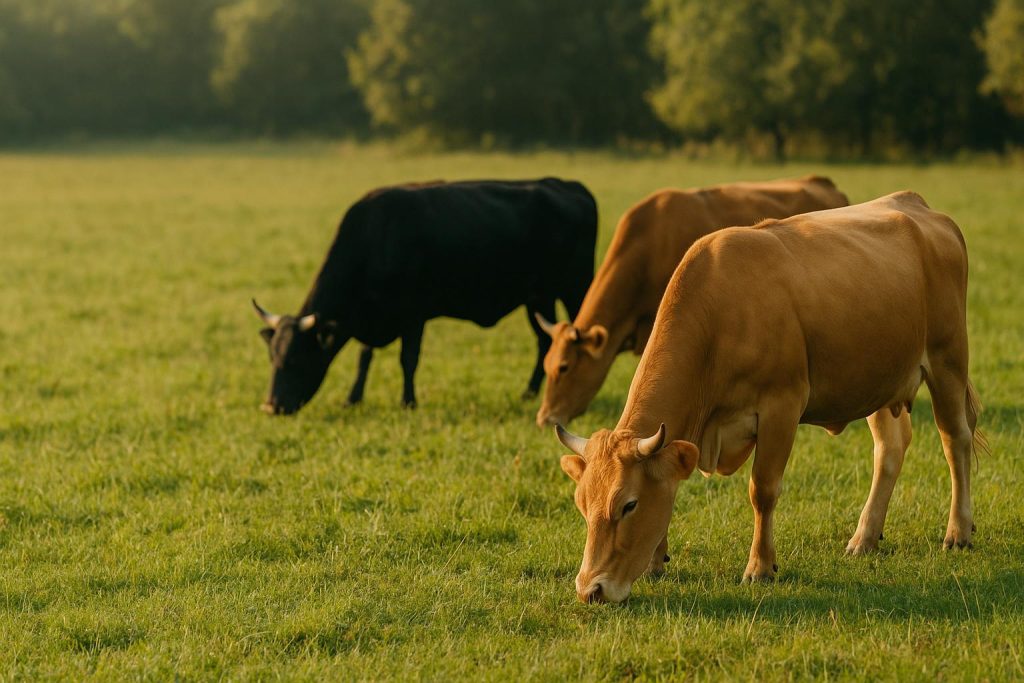
The Many Advantages of Omega-3 Supplements in Ruminant Diets
Omega-3 fatty acids are well-known for supporting better overall health in people, but farmers and nutritionists are increasingly recognizing the benefits these essential fatty acids can bring to ruminant animals—such as cattle, sheep, and goats. Because ruminants play an integral role in agriculture, it’s vital to explore every avenue for boosting performance and well-being. This comprehensive guide dives into why Omega-3s matter for ruminants, how they improve everything from feed conversion ratio to fertility, and what to look for when integrating them into your feeding program.
Why Omega-3 Fatty Acids Are Crucial for Ruminants
Omega-3 fatty acids are often referred to as “essential” because animals cannot manufacture them internally at sufficient levels—they must be obtained through the diet. While grains and typical feed rations occasionally provide some amount of Omega-3s, it is often too low to significantly impact ruminant health. By fortifying ruminant diets with dedicated Omega-3 supplements, farmers can help ensure that their animals receive the levels they need to thrive.
Enhanced Immune Function and Health
Healthy livestock is the cornerstone of any successful operation. When ruminants have a strong immune system, they are more resilient to common diseases, recover faster from health setbacks, and maintain higher productivity year-round. Omega-3 fatty acids are known to modulate inflammation, aiding animals in warding off inflammatory conditions and infections. This anti-inflammatory effect is particularly helpful in preventing issues like mastitis in dairy cows or respiratory problems in feedlot cattle. Reducing the severity of illnesses positively affects animal welfare, cuts antibiotic usage, and can ultimately save both time and money.
Improved Fertility and Reproductive Efficiency
One of the most significant factors affecting a livestock operation’s revenue is reproductive success. Ruminants with healthy ovarian activity, reliable conception rates, and healthy gestation progress lead to more consistent calving and lambing intervals. Omega-3 fatty acids play a vital role in reproductive hormone regulation and uterine health. By incorporating Omega-3 supplements into a breeding program, farmers often see improved conception rates and better embryo viability. Healthy dams are also less stressed, increasing the likelihood of problem-free births and stronger young animals.
Better Feed Conversion Ratios and Digestibility
From beef cattle to dairy goats, maximizing feed efficiency is a central goal in modern livestock management. Feed conversion ratio (FCR) measures how efficiently animals convert feed into body weight or desired output (like milk). Ruminants rely on helpful microorganisms in the rumen to break down fibrous plant material; these microbes need optimal conditions to function effectively. Omega-3 supplements can support a more stable rumen environment, leading to better fermentation and nutrient breakdown. This can translate into higher daily gains, improved body condition, and more efficient feed utilization.
Increased Milk Yield and Quality
For dairy operations, milk yield is naturally a top priority. Beyond volume, however, the composition and nutritional profile of milk significantly impact its market value. Omega-3 supplementation has been shown to enhance the fatty acid profile of milk, raising the levels of healthy, unsaturated fats that consumers increasingly demand. By incorporating Omega-3s, dairy farmers can produce milk with a more favorable ratio of Omega-3 to Omega-6, boosting nutrient content and potentially improving taste and shelf life. Some studies indicate that these changes can also lead to more consistent butterfat levels, enhancing overall milk quality.
Healthier Meat for Consumers
In addition to milk production, many ruminant operations are focused on producing high-quality meat. Consumer interest in healthier red meat options is on the rise. Meat derived from animals with higher levels of Omega-3 in their diet often has a more beneficial fatty acid profile and improved tenderness. Because Omega-3s can reduce inflammatory stress, the resulting meat may also come from healthier, less-stressed animals. This all contributes to a premium product that commands potentially higher prices. By offering meat enriched with Omega-3, producers can meet the growing demand for nutritionally beneficial options.
Support for Coat Condition and Overall Vitality
Ruminants supplemented with Omega-3 often develop shinier coats, better hoof health, and enhanced overall appearance. Though aesthetics might seem secondary to production metrics like growth or yield, a ruminant’s coat condition can be a clear indicator of its well-being. Healthy skin and coats usually reflect balanced nutrition, low stress, and minimized illness—factors that directly translate into improved performance and output. Farmers who exhibit their animals in shows or rely on them for breeding stock often place significant value on a robust and healthy physical appearance. Even outside the show ring, a healthy coat signals strong immune function and good mineral balance.
Easy Integration into Existing Feeding Programs
A crucial aspect of any dietary addition is how easily it can be introduced without blowing the budget or complicating logistics. Traditional raw fat supplements can be prone to spoilage and may require chemical stabilizers. In contrast, many modern Omega-3 supplements for ruminants—including those that leverage proprietary oilseed processing—come in a free-flowing, dry or semi-dry form. This makes them simpler to store, easier to measure, and more reliable to integrate into total mixed rations (TMR) or existing on-farm feeding setups. By choosing a supplement that doesn’t require drastic modifications, farmers ensure a seamless transition that encourages ruminants to maintain consistent intake.
Palatability and Bioavailability
No matter how beneficial a supplement may be on paper, it’s only effective if animals consume and digest it properly. That’s where palatability and bioavailability come into play. Omega-3 supplements derived from stabilized oilseeds generally offer high acceptance among ruminants, thanks to improved taste and minimal residue. Once ingested, the fat is more digestible and efficiently utilized, transforming into measurable improvements in performance, coat quality, and immune function. This process is often traced to the synergy between rumen microbes and the balanced fatty acid profile in the supplement, leading to positive outcomes in the animals’ overall physiology.
Reduced Dust and Safer Handling
Any farmer will tell you that daily herd management involves a significant amount of labor, from stacking and mixing feed to monitoring consumption. Dusty or difficult-to-mix feed additives can create respiratory hazards for farm workers, hinder uniform distribution, and lower feed intake. One advantage of certain all-natural Omega-3 supplements—especially those formulated with low-dust technology—is that they promote a cleaner, safer working environment. This is not only beneficial for people but also for the animals that would otherwise be exposed to airborne particles that could irritate their respiratory tracts. A cleaner feed environment supports overall herd wellness and simplifies the feeding process.
How Proprietary Processing Enhances Omega-3 Stability
Ruminant nutrition is most effective when the supplements given are both bioavailable and consistently stable. Some advanced supplements are made through proprietary oilseed processing techniques designed to convert raw fats into a highly digestible form without relying on chemical stabilizers or mold inhibitors. This approach helps maintain the natural integrity of the fats and proteins, resulting in a dependable product that won’t clog equipment or degrade rapidly. Such stability is critical in large-scale operations where feed throughput is high and any contamination or spoilage can have major financial consequences.
Supporting Sustainability and Responsible Farming
Omega-3 supplementation has an environmental component, too. By optimizing feed efficiency, farmers can reduce the total amount of feed needed per unit of production, lowering resource usage and costs. Animals that are healthier, more productive, and experience fewer illnesses also reduce the reliance on antibiotics and medical interventions. Some Omega-3 supplements are crafted using more sustainable practices, such as leveraging local oilseeds or carefully managing the supply chain. Aligning with a more environmentally responsible approach is increasingly relevant in agriculture, as both retailers and consumers demand transparency and eco-friendly measures. This can give farms a competitive edge in the marketplace.
Selecting the Right Omega-3 Supplement
When looking to integrate Omega-3 feed additives, consider:
- Quality Assurance: Seek out products backed by credible certifications like HACCP, indicating adherence to recognized safety and quality standards.
- Processing Method: Opt for supplements produced with minimal chemical additives, ensuring a clean product that’s stable, free-flowing, and easy to handle.
- Palatability and Form: A supplement that animals actually consume willingly—and that integrates seamlessly with your feed program—maximizes the benefits of Omega-3.
- Digestibility and Nutrient Density: Look for products that boost both fat and protein availability without compromising the vital rumen microbial balance.
- Research and Field Results: Investigate any real-world trials, customer experiences, or data that showcase measurable improvements in ruminant performance and herd health.
Real-World Results and Possible Applications
Producers often share anecdotal reports of healthy weight gains in beef cattle, reduced culling rates, or shorter postpartum intervals in dairy herds after introducing Omega-3 supplements. Although outcomes may vary based on factors like breed, genetics, and ration composition, the consensus remains that when properly dosed and consistently fed, Omega-3 supplements can significantly enhance productivity. In large-scale feedlots, improvements in feed conversion ratio can mean the difference between a profitable margin and breaking even. In smaller family-run farms, it might mean the herd stays healthier with fewer veterinary bills.
Integrating EXL Milling’s Omega-3 Solutions
For those looking to bring the benefits of Omega-3 supplementation to their ruminant herds, consider exploring specialized options offered by trusted producers. For instance, R3 from EXL Milling is designed with ruminant needs in mind. Thanks to a proprietary oilseed process, R3 delivers robust levels of Omega-3 fatty acids in a convenient, free-flowing form that easily folds into TMR and other feed mixing approaches. Another option, ProMeg Express, also focuses on improving energy density and Omega-3 content for ruminants. By removing the need for chemical stabilizers or mold inhibitors, these products help ensure a stable supplement that’s easier to manage and beneficial for animal health.
These offerings demonstrate how modern technology and careful ingredient selection can yield exceptionally digestible, high-impact supplements that benefit both ruminant performance and the farm’s bottom line. Whether you run a large-scale commercial operation or a smaller family farm, the availability of user-friendly Omega-3 supplements means integrating them can be straightforward and highly rewarding.
Key Takeaways for Producers
- Target Improved Health: Omega-3s help reduce inflammation and fortify the immune system, promoting overall health and potentially lowering veterinary costs.
- Boost Fertility Outcomes: Better conception rates and successful pregnancies can be linked to balanced fatty acid intake, leading to more profitable herd reproduction.
- Optimize Feed Efficiency: Ruminants fed balanced levels of Omega-3 may see enhanced nutrient utilization and development, reflecting positively on productivity metrics.
- Drive Premium Milk and Meat: Elevating the Omega-3 levels in ruminant diets can help produce milk and meat that stand out for their nutritional value, taste, and quality.
- Streamline Feeding: Modern, stable Omega-3 supplements integrate seamlessly into existing feed programs, ensuring straightforward adoption and daily feeding consistency.
Ensuring Long-Term Success
Maximizing the benefits of Omega-3 supplementation requires paying close attention to proper ration balancing, accurate feeding rates, and overall herd management. Regularly monitor body condition scores, fertility markers, and production outputs (such as daily gain or milk yield) to gauge the real-world impact of your chosen supplement. Collaborate with a trusted nutritionist or veterinarian if you’re new to Omega-3 supplementation or plan to make substantial changes to your existing feeding routine. Frequent assessments and data-driven adjustments are the keys to unlocking steady, long-term gains.
In this era of heightened consumer awareness, producers who invest in Omega-3 supplementation for their ruminants may find they can align customer demand for healthier, more sustainably produced animal proteins. Whether the goal is higher-value dairy products, improved growth rates in beef animals, or simply a healthier herd overall, Omega-3 feed additives offer a clear, scientifically backed advantage.
Conclusion
Incorporating Omega-3 supplements into a ruminant diet presents multiple advantages for both animals and farmers, spanning improved immune function, fertility, feed efficiency, and product quality. From dairy cows producing more nutritious milk to beef cattle finishing more efficiently on feed, these essential fatty acids offer a well-rounded nutritional boost that can set your operation apart. By selecting high-quality, stable, and bioavailable supplements, you can make vital strides toward a healthier herd, a more profitable business, and a product line that meets growing consumer expectations for wholesome, natural foods.
Whether you’re looking to address current challenges or simply want to optimize herd performance moving forward, Omega-3 supplements belong at the forefront of modern ruminant nutrition. Balancing science, practicality, and sustainability, these feed additives deliver real results that matter—in the barn, in the ledger, and at the consumer’s table.